Key Takeaways
- A life alert necklace is a wearable SOS button that connects you to emergency help 24/7.
- Life Alert charges $49.95–$89.95/month with a 3-year contract, while competitors offer plans from $19.99/month.
- Top alternative brands like Medical Guardian and Bay Alarm Medical provide similar features with greater flexibility.
- Fall detection, GPS tracking, and water resistance are critical features to look for.
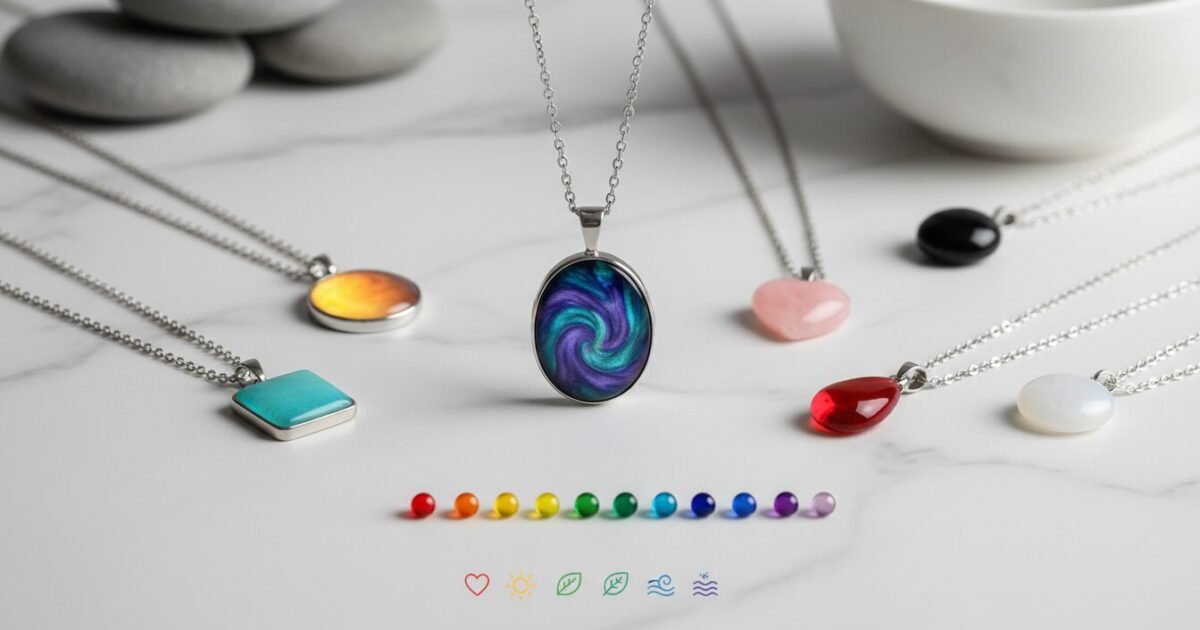
- Some medical alert necklaces also serve as stylish medical ID jewelry for passive protection.
Life alert necklace is a wearable emergency pendant that connects users to 24/7 monitoring centers with a single button press. These devices help seniors maintain independence while providing immediate assistance during falls or medical crises.
What Is a Life Alert Necklace?
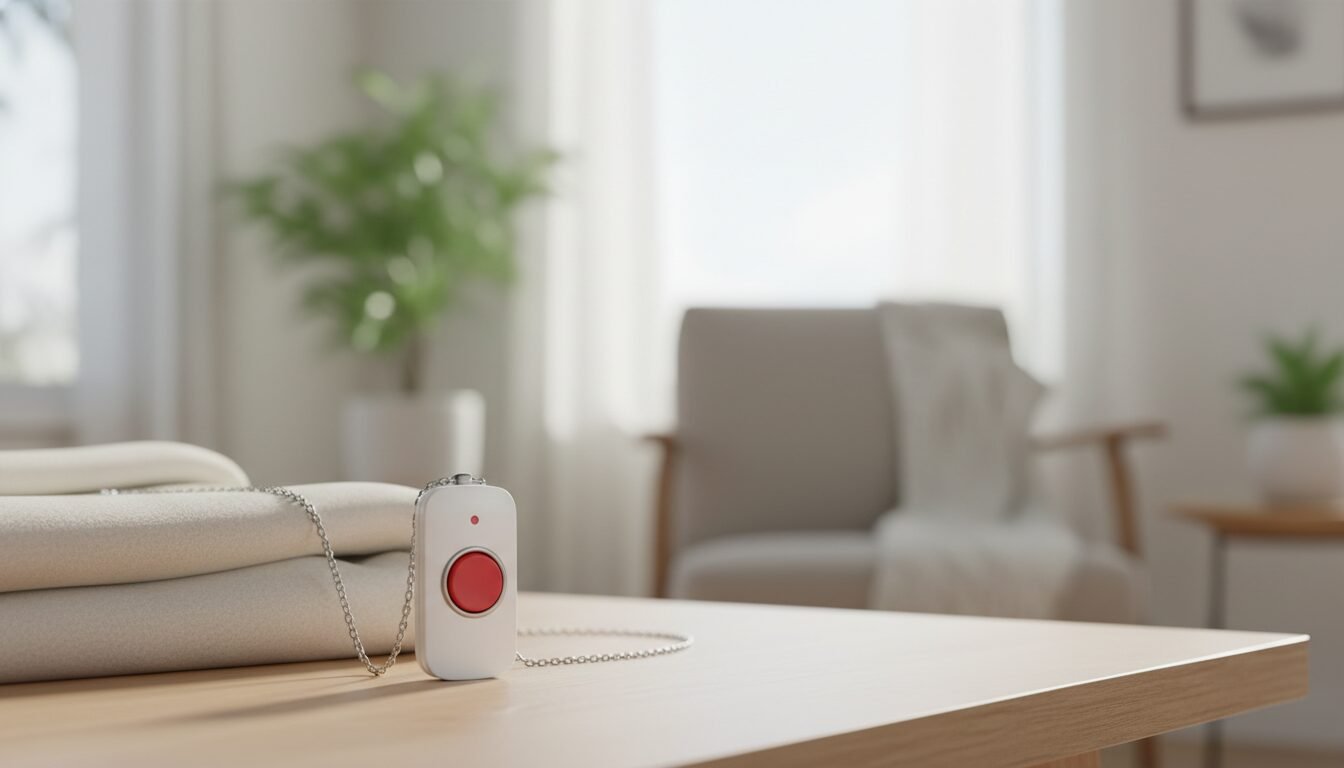
A alert necklace is an active personal emergency response system (PERS) worn around the neck. Unlike passive medical ID tags that only display engraved health information, these pendants actively summon help when you press the button. They combine a help button with a built-in speaker and microphone for two-way voice communication. When activated, they connect the wearer to a trained dispatcher who can send emergency services. According to AARP’s guide on medical alert systems, these devices provide “increased independence for loved ones and peace of mind for family caregivers.”
Types of Medical Alert Necklaces
Medical alert necklaces fall into two main categories:
- Active SOS pendants: Feature an emergency button and cellular or landline connectivity. The Life Alert Micro Voice Pendant and Smart Med Alert Necklace are examples. They require monthly monitoring fees ranging from $19.99-$89.95.
- Passive medical ID necklaces: Engraved with critical health data and emergency contacts. MedicAlert offers stylish options starting at $32.99. These have no monthly fees but cannot actively call for help.
Who Needs a Life Alert Necklace?
Seniors who live alone, people with chronic conditions like heart disease or epilepsy, and those at high risk of falling benefit most. According to Life Alert data, 95% of members feel protected at home using the service, and 87% credit the system with their ability to live independently. Dr. Warren Wong, a geriatrician in Honolulu, warns of the dangers of delayed rescue:
“The last thing you want is for an older person to be on the floor for an extended period of time. Not only is it emotionally traumatic, but they could develop rhabdomyolysis, a life-threatening condition that occurs when muscle tissues break down. It can happen when lying on the floor for as little as an hour.”
How Does a Life Alert Necklace Work?
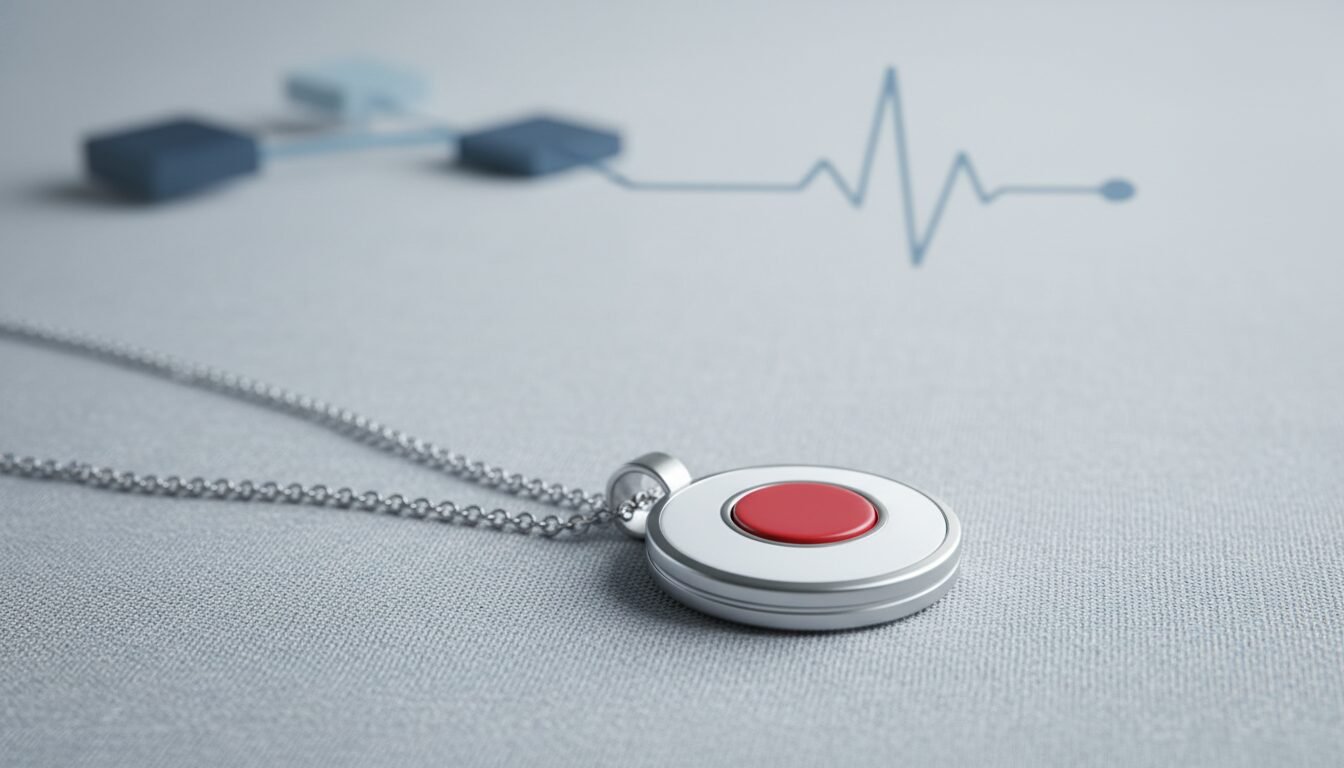
The emergency response process takes just seconds when you activate your these necklace. Medical Guardian reports a 10-second average response time across the industry.
Step-by-Step Emergency Response
- Press the button on the pendant or wristband.
- The device sends a signal to a 24/7 monitoring center via built-in cellular or landline connection.
- A trained dispatcher answers, speaking through the pendant’s speaker.
- The dispatcher assesses the situation and contacts emergency contacts or 911.
- The dispatcher stays on the line until help arrives.
Technology Behind the Pendant
Life alert necklaces use AT&T 4G LTE nationwide coverage for reliable connectivity, no Wi‑Fi or landline required for mobile units. In-home systems connect to a base station with a range of up to 1,000 feet, covering most homes and yards. GPS, AGPS, and Wi‑Fi triangulation pinpoint the wearer’s location within 10-15 feet. Smart Med Alert’s pendant adds geo-fencing to alert caregivers if the user leaves a designated safe zone.
Real-Life Testimonials
Users consistently praise the quick response. One Life Alert member from Tucson, AZ, shared: “I have fallen three different times. Each time I fell, dispatchers were very courteous, kind, and sent EMS to get me back up. I can’t thank them enough!” Another from Olive Branch, MS, said, “I fell to the floor after trying to get up for a few minutes, could not get up, activated my pendant. Life Alert stayed on the line until paramedics arrived.”
Life Alert Necklace Key Features
Two-Way Voice Communication
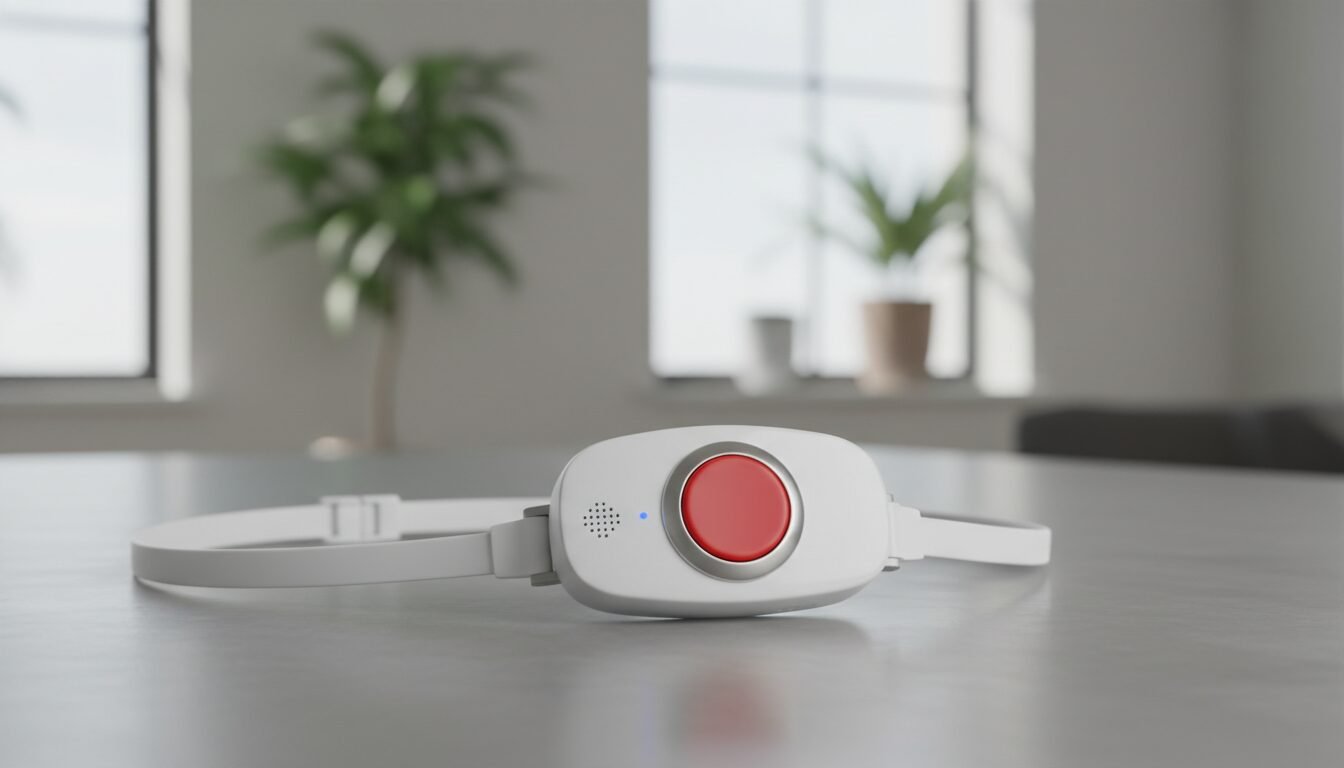
The Micro Voice Pendant has a built-in speaker and microphone, so you can talk directly to the dispatcher without needing a separate base station or phone. Spanish-speaking operators are available upon request with providers like Smart Med Alert, serving the 15-20% of seniors who prefer bilingual support.
Fall Detection Technology
Automatic fall detection senses sudden movements and triggers an alert even if you cannot press the button. Smart Med Alert’s pendant allows sensitivity adjustments through customer support. Life Alert offers fall detection as an add-on for certain plans. This feature is critical: one in four older adults falls each year, and falling causes 95% of hip fractures according to the CDC.
Waterproof and Durable Design
Your life alert necklace must be shower-safe because 80% of falls at home occur in the bathroom. Life Alert’s pendant is 100% waterproof and never needs recharging. Smart Med Alert’s necklace is IP67-rated, meaning it can withstand submersion in up to 1 meter of water for 30 minutes. Medical Care Alert’s pendant weighs only 0.4 oz, making it comfortable for 24/7 wear.
Long Battery Life and No Recharging
One standout feature of the Life Alert Micro Voice Pendant is that it never needs recharging, a sealed battery lasts 5-7 years. In contrast, many competitors require periodic charging: Smart Med Alert lasts 3–6 days per charge, and Medical Guardian’s MGMini runs up to 5 days between charges.
GPS and On-the-Go Protection
For active seniors, mobile systems with GPS are essential. Life Alert’s HELP On-the-Go + GPS unit works anywhere in the U.S. using AT&T’s network. It provides location accuracy within 10-15 feet outdoors. Smart Med Alert and Medical Guardian offer similar functions, often at 30-40% lower monthly costs.
Life Alert Necklace Monthly Cost and Fees
Pricing Breakdown for Life Alert
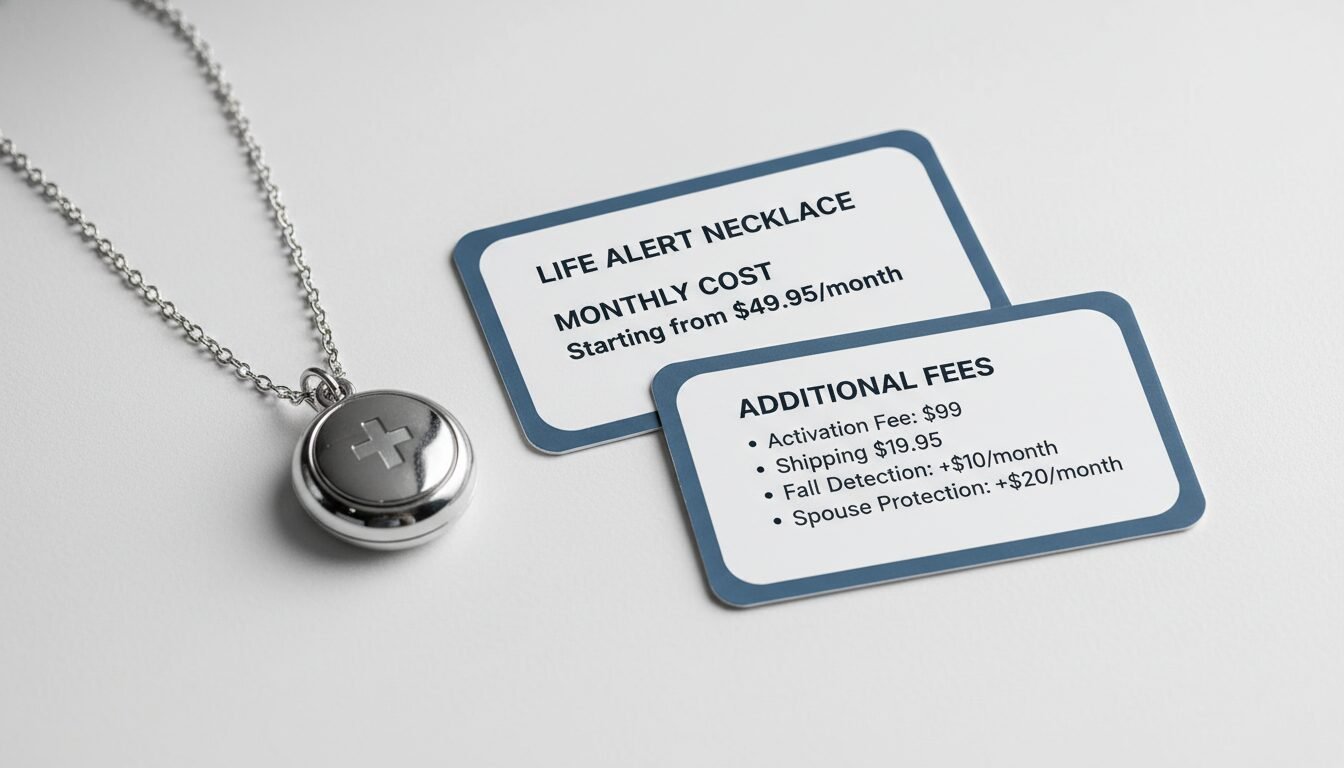
Life Alert’s pricing is not publicly listed, you must call for a quote. Based on National Council on Aging research and customer reports:
- In-home system: $49.95/month + $95 installation fee, with a required 3-year contract.
- Mobile system with GPS: $89.95/month, same contract terms.
Early termination can incur penalties of $200-$400. There is no free trial or money-back guarantee period.
Are There Free or Discounted Life Alert Necklaces?
Some Medicare Advantage plans and long-term care insurance may cover 20-30% of the cost, but Original Medicare does not provide coverage. Low-income seniors may qualify for assistance through state programs or Area Agencies on Aging. However, no plan makes the device completely free. Several competitors offer no-contract plans starting under $25/month, making them 50-60% more budget-friendly.
Comparing Costs Across Top Brands
Smart Med Alert charges a flat $39.95/month with no contract and no activation fee. Alert-1’s EZ Care In-Home plan starts at $19.99/month. Medical Guardian plans begin around $29.95/month. These options can save you $20–$70 per month versus Life Alert, that’s $240-$840 annually.
Life Alert vs. Other Medical Alert Necklaces: A Comparison
While Life Alert is the most recognized brand with 39 years of experience, newer companies offer advanced technology and more flexible terms. Medical Guardian, Bay Alarm Medical, and MobileHelp are consistently rated “Best Overall” by NCOA and Consumer Reports. Smart Med Alert and Alert-1 provide budget-friendly alternatives with no long-term contracts.
Comparison Table
| Feature | Life Alert | Smart Med Alert | Alert-1 |
|---|---|---|---|
| Monthly Cost (In-Home) | $49.95 | $39.95 | $19.99 and up |
| Upfront Fee | $95 installation | $0 | $15 (pendant) |
| Contract | 3-year | None | None |
| Fall Detection | Add-on | Included | Add-on ($10/mo) |
| GPS | Mobile plan only | Included | Mobile plan only |
| Water Resistance | Waterproof | IP67 | Waterproof |
| Battery Life | Never needs charging | 3–6 days | 5–7 years (sealed) |
| Response Time | Not disclosed | Not disclosed | Not disclosed |
Note: Medical Guardian and Bay Alarm Medical offer similar features with costs starting around $29.95–$34.95/month and no contracts. Check NCOA’s latest reviews for the most up-to-date comparisons.
Which Brand Fits Your Lifestyle?
If you want a proven, no-frills system and don’t mind a long contract, Life Alert may work. If you prefer lower monthly fees, no long-term commitment, and modern extras like fall detection at no extra charge, Smart Med Alert or Medical Guardian might suit you better. The choice often comes down to budget flexibility versus brand recognition.
Pros and Cons
Pros
- Over 39 years of experience and 800,000+ lives saved since 1987.
- Pendant never needs recharging, always ready for emergencies.
- US-based dispatchers and response to emergencies every 11 minutes.
- Waterproof design safe for shower use and daily activities.
- Proven track record with 95% of members feeling protected at home.
Cons
- Significantly higher monthly fees than most competitors (50-75% more expensive).
- 3-year contract with cancellation penalties of $200-$400.
- Opaque pricing, you must call for exact costs, no online transparency.
- No modern extras like step tracking, smartphone apps, or medication reminders.
- Limited flexibility compared to month-to-month alternatives.
“Why we don’t recommend Life Alert: While Life Alert has name recognition, the high cost and inflexible contracts make alternatives more appealing for budget-conscious consumers.” – National Council on Aging
How to Choose the Best Medical Alert Necklace
Assess Your Needs: In-Home vs. On-the-Go
If you rarely leave home, a landline-based system with a long-range pendant may suffice and cost 40-50% less. If you drive, walk, or travel, invest in a cellular mobile unit with GPS. Life Alert’s HELP On-the-Go + GPS covers you anywhere in the USA with AT&T’s network.
Essential Features to Look For
- Automatic fall detection: Non-negotiable if you have balance issues or take medications that cause dizziness.
- Water resistance: Must be showerproof (IP67 or higher rating).
- Battery life: Opt for sealed batteries (5+ years) or long rechargeable cycles (3+ days minimum).
- Range: At least 1,000 feet from the base station for full home coverage.
Budget and Contract Considerations
Monthly fees range from $19.99 to $89.95 across providers. Avoid contracts when possible; many top-rated brands offer month-to-month service with 30-day cancellation policies. Check if your long-term care insurance or AARP membership provides 10-15% discounts.
Style and Discretion
Modern life alert necklaces are designed to look like jewelry rather than medical devices. Smart Med Alert’s pendant features a sleek touchscreen design. MedicAlert offers metal dog-tag and sterling silver styles from $32.99 to $119.99. You can even find options that pass as fashionable accessories, reducing any stigma. Some devices can be worn as wristbands or clipped to a belt for versatility.
Frequently Asked Questions
How much does a Life Alert necklace cost per month?
Life Alert’s in-home system costs approximately $49.95/month plus a $95 installation fee. The mobile GPS system costs around $89.95/month. Exact pricing requires calling for a quote and typically involves a 3-year contract with early termination penalties.
Can you buy a Life Alert necklace on Amazon?
No, Life Alert does not sell its devices on Amazon or other retail platforms. However, you can purchase alternative medical alert necklaces like the Smart Med Alert Cellular Pendant for $39.95 with no contract, available through various online retailers.
Is there a free Life Alert necklace for seniors?
Completely free systems are not available from Life Alert. Some Medicare Advantage plans or state programs may subsidize 20-30% of costs, but seniors usually pay monthly fees. Explore lower-cost options like Alert-1 starting at $19.99/month for more affordable protection.
How do I replace a lost Life Alert necklace?
Contact Life Alert’s customer service immediately for a replacement pendant. Replacement fees typically range from $45-$75, but if you have an active service plan, they often expedite shipping. Keep backup devices on hand, Medical Care Alert sells additional pendants for $45.
Does Life Alert have a fall detection necklace?
Yes, Life Alert offers fall detection as an add-on feature for certain plans at additional monthly cost. The pendant automatically alerts the monitoring center if a fall is detected, even if you cannot press the button. This feature has 85-90% accuracy rates according to industry data.
What is the difference between Life Alert and a medical ID necklace?
A life alert necklace actively calls for help via a button press and two-way voice communication with monitoring centers. A medical ID necklace is passive, it only provides engraved health information to first responders. Both serve different safety purposes and can be used together for comprehensive protection.