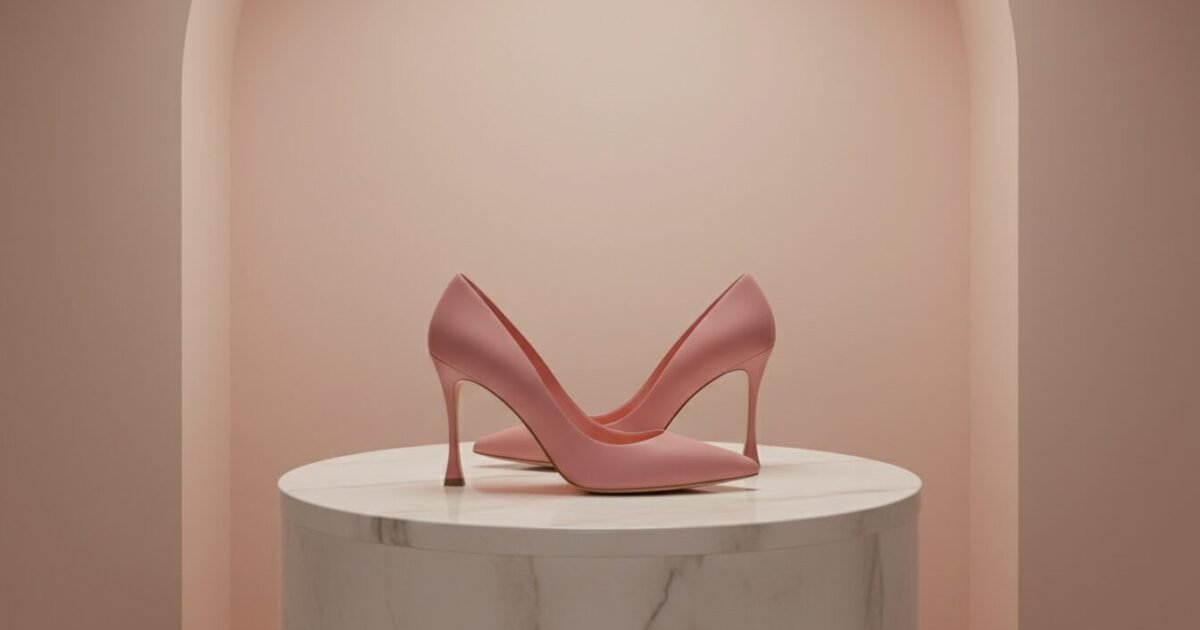
Athletic sneakers shoes are versatile footwear that combines sport performance with everyday style. Picture yourself stepping onto a sun-warmed boardwalk in a pair that moves with you from morning run to rooftop brunch, cushioned, breathable, and effortlessly put-together.
Key Takeaways
- Match your shoe type to your primary activity: running, training, walking, or lifestyle wear.
- Look for cushioning technologies like Memory Foam, EVA, Gel, or Air units for lasting comfort.
- Width options range from narrow (2A) to extra wide (4E) – fit matters as much as size.
- Budget pairs start under $50; premium options from Nike, HOKA, and On run $150 to $180+.
- Replace your sneakers every 300 to 500 miles, or when cushioning visibly breaks down.
- Clearance sites like Shoebacca offer discounts up to 70% off, with over 2,100 men’s options available.
What to Look for When Buying Athletic Sneakers Shoes
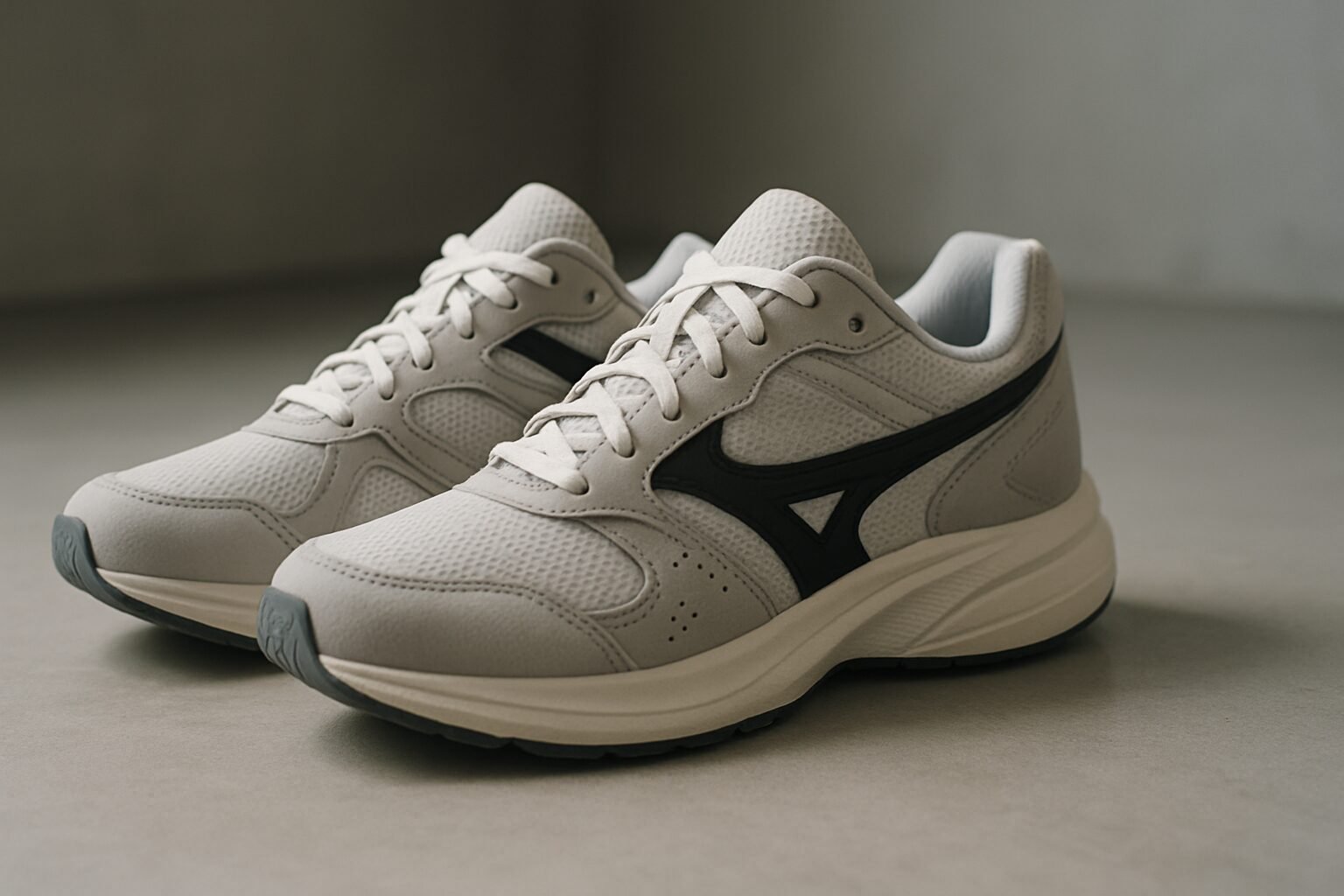
Choosing the right pair starts with a clear picture of how and where you’ll wear them. Follow this five-step process to narrow your options before you ever add to cart.
- Step 1: Identify your primary activity: running, training, walking, or casual wear.
- Step 2: Get your feet measured for both length and width, since sizing varies across brands.
- Step 3: Consider your arch type and pronation pattern: neutral, overpronation, or supination.
- Step 4: Try pairs on with the socks you’ll actually wear, ideally at the end of the day when feet are slightly swollen.
- Step 5: Walk or jog in them to assess comfort, heel lockdown, and lateral stability.
Activity Type
Not every sneaker is built for every purpose, and choosing the wrong category is the fastest route to discomfort or injury. Running shoes emphasize forward motion with ample heel cushioning and a smooth heel-to-toe transition. Training shoes offer lateral support for gym workouts and HIIT circuits. Walking shoes prioritize shock absorption and forefoot flexibility. Lifestyle sneakers blend casual style with light activity support. According to Runner’s World, matching your shoe type to your activity meaningfully reduces injury risk over time.
Fit and Sizing
A proper fit is non-negotiable. Leave roughly a thumb’s width (about 0.5 inches) between your longest toe and the shoe’s end. Width is equally critical: brands like New Balance and Skechers offer sizes from narrow (2A) all the way to extra wide (4E), and many online retailers list width options alongside standard sizes. A snug but not tight fit prevents blisters and black toenails, two complaints podiatrists hear constantly.
Cushioning and Support
Modern athletic footwear integrates a range of cushioning technologies worth understanding before you buy. Memory Foam (found in Skechers, including their Arch Fit and Slip-ins lines) adapts to your foot shape for personalized comfort. EVA (ethylene vinyl acetate) is a lightweight, responsive foam used in midsoles across adidas and Puma. Gel cushioning (ASICS) absorbs impact shock, while Air cushioning (Nike) delivers a bouncy, energized feel. For stability, look for firm heel counters and torsion control systems. OrthoLite insoles add long-term cushioning and antimicrobial protection, and appear in many clearance models at Shoebacca.
Breathability and Materials
Breathable uppers are materials that allow airflow to keep feet cool and dry during activity. Mesh and knit fabrics dominate lightweight performance sneakers, reducing moisture build-up during workouts. Leather and synthetic leather appear in lifestyle-oriented models for durability and easy cleaning. Some adidas models feature Gore-Tex membranes that add waterproofing without sacrificing breathability, a smart pick for unpredictable weather.
Understanding Cushioning and Support Technologies
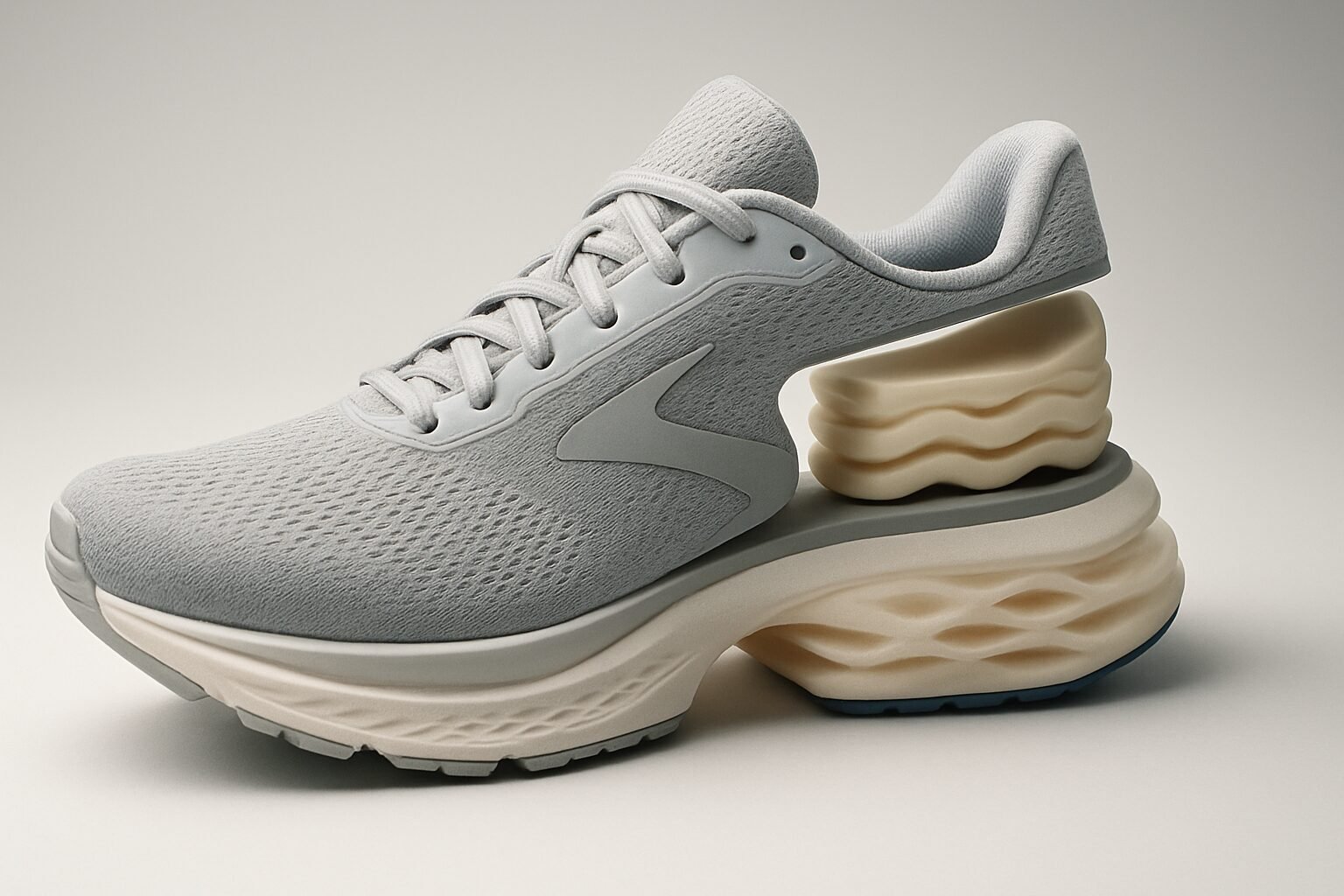
Heel-to-toe drop is the difference in height between the heel and forefoot, and it directly shapes your stride and stability. Running shoes typically sit at an 8 to 12mm drop, while training shoes often run flatter at 0 to 4mm for better ground contact during lateral movements. EVA remains the most common midsole foam, but supercritical foams now offer lighter weight and higher energy return. Brands like HOKA and On use rocker geometries to promote a smooth roll-off, enhancing efficiency across long distances.
“The right midsole technology isn’t just about comfort – it’s about protecting your joints over thousands of repetitions. Matching foam type to your activity is one of the most overlooked decisions in footwear.” – American Podiatric Medical Association guidance on athletic footwear selection
Memory Foam vs. EVA
Memory foam excels in casual wear and walking, cradling the foot with a plush feel, but it can lose resilience over time with heavy use. EVA provides more bounce and is preferred in performance-focused pairs. According to the American Podiatric Medical Association, adequate cushioning can meaningfully reduce forefoot pressure during repetitive impact activities.
Price Range Expectations
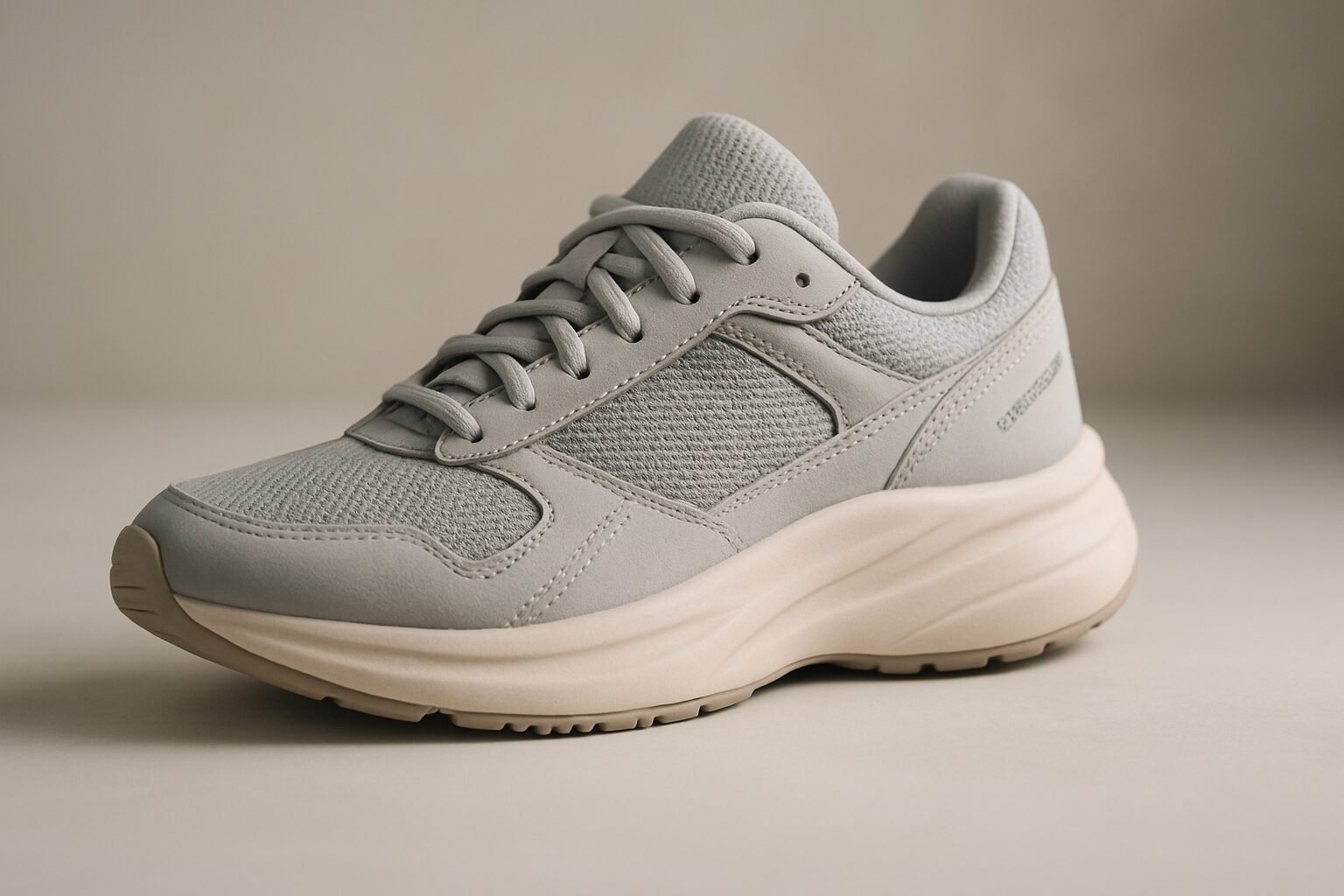
Budget-friendly options start as low as $10 on clearance sites like Shoebacca, where over 2,100 men’s athletic and sneaker clearance products are available at discounts up to 70% off. Mid-range investments ($50 to $100) from Skechers or New Balance deliver quality technologies like Memory Foam and Fresh Foam. Premium pairs ($100 to $200+) from Nike, HOKA, and On feature advanced engineering: On and HOKA models at Tradehome, for example, are typically priced between $150 and $180. The table below breaks down what to expect at each tier.
| Price Tier | Typical Range | Key Features | Popular Brands |
|---|---|---|---|
| Budget | $10 to $50 | Basic cushioning, synthetic uppers, limited tech | AND1, Avia, PUMA clearance |
| Mid-Range | $50 to $100 | Memory Foam, breathable mesh, moderate support | Skechers, New Balance, adidas |
| Premium | $100 to $200+ | Advanced cushioning (Gel, Air, CloudTec), premium materials, stable support | Nike, HOKA, On, Brooks |
Spending more doesn’t automatically mean a better fit. Try multiple pairs, use brand size guides, and take full advantage of return policies before committing.
How to Style Athletic Sneakers Shoes
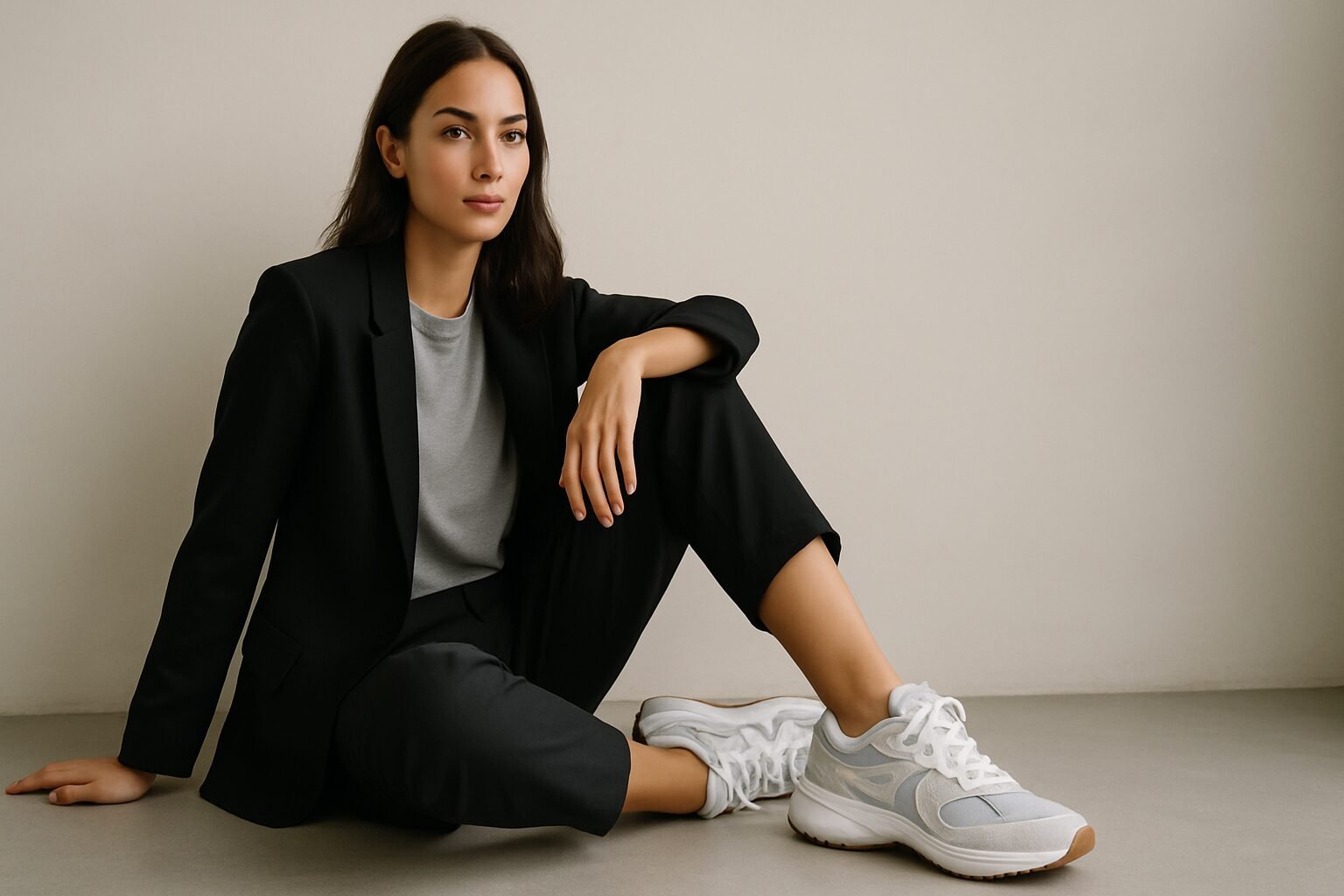
Great sneakers have long since left the gym. As of summer 2026, the line between performance footwear and everyday fashion is thinner than ever, and that’s a good thing.
Casual Weekend Looks
Pair white leather sneakers with slim-fit jeans and a relaxed tee for an effortless off-duty look. The Converse Chuck Taylor All Star ($59.99 at Journeys) and adidas Samba ($99.99) both deliver timeless appeal that works from coffee runs to afternoon markets.
Athleisure for the Office
Sleek monochrome styles work beautifully with tailored joggers and a structured blazer. Opt for neutral colorways from brands like On Cloud X ($159.99) or the New Balance 990 series for a polished, put-together feel that reads professional without trying too hard.
Pairing with Dresses and Skirts
Chunky, retro-inspired sneakers add a sporty edge to floral midi dresses and pleated skirts. Try Skechers D’Lites or Puma RS-X for a bold contrast that fashion editors have been reaching for since resort season 2025.
Seasonal Styling
In summer, mesh styles with shorts keep feet cool and the look light. Come winter, water-resistant models with thick, grippy soles handle rain and light snow without sacrificing style. This season, Gore-Tex-lined options from adidas are worth the investment for year-round wearability.
Specialized Athletic Footwear: Beyond the Everyday Sneaker
Specialized sports shoes serve activities that standard sneakers simply can’t support. Soccer cleats and baseball cleats, for instance, feature molded or metal studs designed for traction on grass and turf surfaces – wearing a standard sneaker for these sports increases ankle injury risk significantly. Slip-resistant work sneakers are another category worth knowing: they use specialized rubber outsoles rated for wet or oily surfaces, making them essential for healthcare workers, restaurant staff, and anyone on their feet all day. If you’re shopping for kids, look for athletic sneakers with reinforced toe caps, flexible soles, and easy-on closures like hook-and-loop straps, since children’s feet grow quickly and proper support during development matters.
“Footwear designed for a specific sport isn’t just a performance upgrade – it’s a safety requirement. Using the wrong shoe on a cleat-required surface is one of the most common causes of preventable sports injuries in youth athletes.” – Per guidance from sports medicine practitioners
Care and Maintenance
Proper care extends the life of your sneakers well beyond the average replacement window. Cleaning: remove laces and insoles, hand-wash with mild soap and warm water, then air dry away from direct heat. Odor control: sprinkle baking soda inside overnight and shake out in the morning. Rotation: avoid wearing the same pair two days in a row so foam has time to fully rebound. Replacement: swap them out every 300 to 500 miles, or when the outsole shows uneven wear, as Runner’s World recommends. Catching wear early protects your joints and keeps your stride efficient.
Pros and Cons
Pros
- Wide range of price points, from under $50 to $200+, makes quality footwear accessible at almost any budget.
- Advanced cushioning technologies (Memory Foam, EVA, Gel, Air) provide genuine performance and comfort benefits.
- Versatile styling options mean one great pair can work from the gym to a casual dinner.
- Width sizing from narrow (2A) to extra wide (4E) ensures a proper fit for most foot shapes.
- Clearance availability at retailers like Shoebacca means premium brands are often accessible at significant discounts.
Cons
- Sizing inconsistency across brands means you may need to try multiple pairs before finding the right fit.
- Performance sneakers typically need replacement every 300 to 500 miles, which adds up in cost over time.
- Trend-driven colorways and silhouettes can make it tempting to prioritize style over function, leading to poor activity-specific choices.
- Budget options under $50 often lack the durability and support technologies found in mid-range and premium tiers.
Frequently Asked Questions
How do I choose between athletic sneakers and casual sneakers?
Athletic sneakers shoes are designed for movement and typically include performance technologies like structured cushioning and arch support. Casual sneakers focus primarily on style and may lack the comfort features needed for long walks or exercise. If you plan to be on your feet for more than an hour, choose a performance-oriented pair.
What is the difference between running and training shoes?
Running shoes are built for forward motion with more heel cushioning and a higher heel-to-toe drop (typically 8 to 12mm), while training shoes support multi-directional movements with a flatter sole and reinforced sides. Using a running shoe for lateral gym work can actually reduce stability and increase ankle strain.
Can athletic sneakers be worn for walking?
Yes, but choose models specifically labeled for walking or cross-training, as they provide the forefoot flexibility and shock absorption needed for heel-to-toe strikes. Running shoes can work in a pinch, but dedicated walking shoes often feel more comfortable over long distances.
How often should I replace my sneakers?
Replace them every 300 to 500 miles, or when you notice reduced cushioning, visible uneven wear on the outsole, or increased discomfort during activity. According to Runner’s World, most active wearers hit this threshold within 6 to 12 months of regular use.
What are the best options for wide feet?
Brands like New Balance, Skechers, and Brooks offer wide (2E) and extra wide (4E) sizes across many of their athletic lines. Look for models with spacious toe boxes, adjustable lacing systems, and soft mesh uppers that won’t create pressure points during extended wear.
Are more expensive sneakers worth it?
Often yes. Premium models from brands like Nike, HOKA, and On use higher-quality materials, last longer, and feature advanced support technologies tailored to specific activities. Skechers men’s athletic shoes, for instance, range from $80 to $165 and include proprietary technologies like Arch Fit and Slip-ins that genuinely improve comfort over budget alternatives.
Ready to find your perfect pair? Shop the collection at lexazi.com – free shipping on orders over $75.