Key Takeaways
- Heel height and shape dramatically affect comfort and stability. Choose a block heel for all-day wear or a stiletto for special occasions.
- Material matters: leather molds to your foot, suede offers texture, and faux alternatives can be budget-friendly and animal-free.
- Proper fit in heeled boots means snug heel grip, room for toes, and consideration of shaft height and calf width.
- Walk with confidence by distributing weight through the whole foot and practicing on different surfaces before committing to a full day out.
- Care extends life: protect against water, use shoe trees, and rotate pairs to maintain shape and comfort season after season.
Heels in boots are a wardrobe staple that combine the leg-lengthening power of a heel with the coverage and season-spanning versatility of a boot. Think of them as the most hardworking piece in your closet: equally at home on a cobblestone street in Positano as they are in a Monday morning meeting.
What to Look For When Buying Heels in Boots
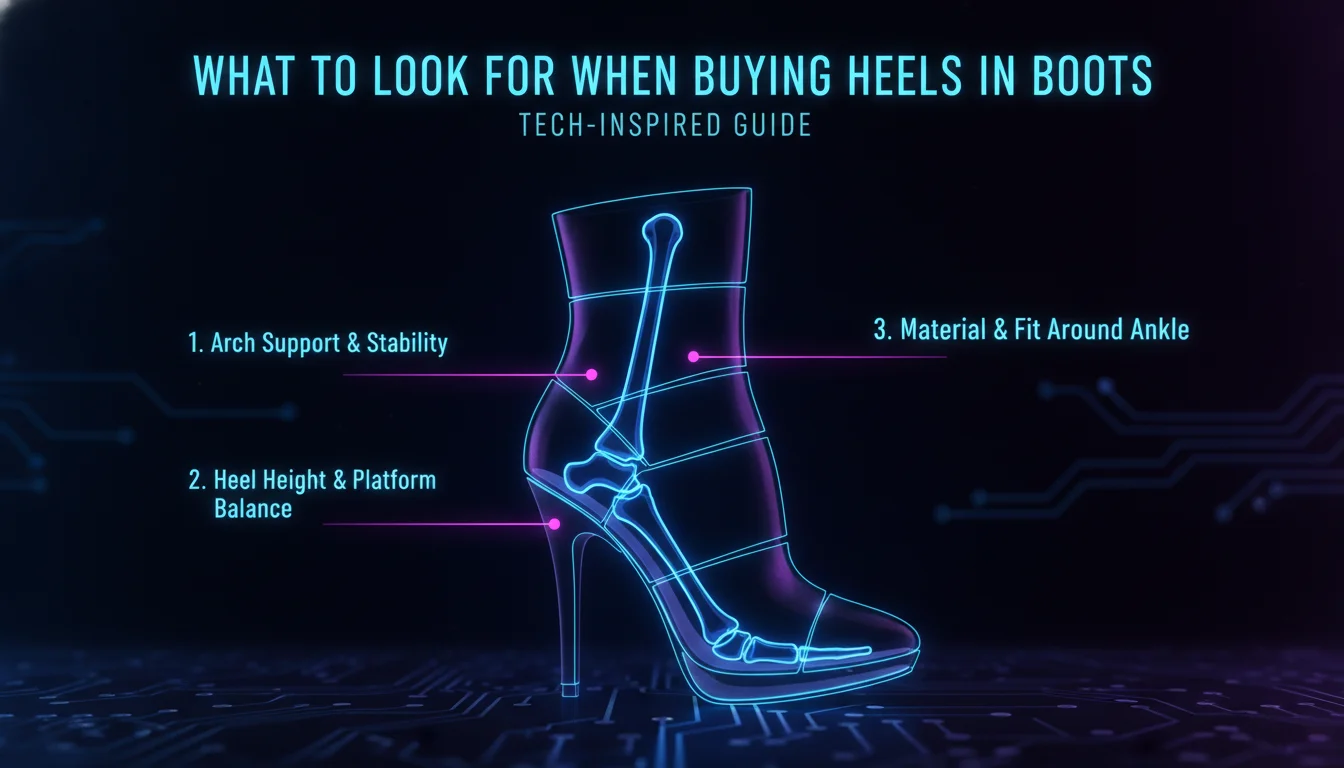
Shopping for in boots comes down to four factors: heel type, material, fit, and comfort features. A boot that looks stunning but hurts after an hour will collect dust. Prioritize construction details that support your foot and match your daily life.
Heel Type and Height
this type of boots range from modest kitten heels (1 to 2 inches) to dramatic stilettos (4 or more inches). Block heels and wedge heels distribute weight more evenly, reducing fatigue. According to Dr. Scholl’s, wedge boots offer “additional stability and support” for women who want elevation without the wobble. Stiletto heels create a dressier silhouette but require practice to master. A 2-inch heel is often comfortable for hours; a 4-inch heel is better saved for seated dinners or short evenings out.
Material Quality
Leather boots adapt to your foot’s shape and breathe well, making them a durable investment piece. Suede adds a rich, tactile quality but needs waterproofing before first wear. Faux leather and faux suede, like those used by EGO in styles such as the Angola Layered Knee High Chunky Heeled Boot, offer affordable, animal-free alternatives. Look for soft linings and flexible soles that move with your foot rather than against it.
Fit and Sizing
this kind of boots should feel secure at the heel to prevent slipping. There should be wiggle room for toes, especially in pointed-toe designs. Consider shaft height: knee-high boots need a proper calf circumference, and many brands now offer wide-calf options. Nine West, for instance, carries a Wide Calf version of the Quizme Platform Leather Boot at $199. Always check size guides and read reviews for fit consistency before ordering.
Comfort Features Worth Seeking Out
Modern heels in often incorporate cushioning, arch support, and shock-absorbing soles. Dr. Scholl’s line features eco-conscious materials including insoles crafted with algae-infused BLOOM foam, alongside styles made with leather sourced from Leather Working Group-audited factories. If you plan to wear your boots all day, prioritize these features over a higher heel every time.
Types of Heels in Boots

Understanding heel construction helps you balance style and comfort. Here are the most common types of in boots you’ll encounter this season.
Block Heel
A block heel is a wide, squared-off base that provides a solid, stable platform underfoot. This style is ideal for city commutes, office wear, and anyone new to wearing this type of boots. It distributes pressure evenly and reduces wobble significantly. As boot expert Jake of Almost Vintage Style notes, via Stitchdown: “A chunky, bulbous last will usually work well with a chunky heel.” Pair block heels with rounder toe boxes for visual balance, and you have a combination that works from 9am to 9pm.
Stiletto Heel
A stiletto is a thin, tall heel (typically 3 to 6 inches) that reads pure glamour. Common on knee-high boots and dress booties, it elongates the leg beautifully but demands a confident stride. Look for steel shanks inside the boot for better structural support. Practice walking on carpet before tackling hard floors, and consider a stiletto with a platform to reduce the pitch and ease the pressure on the ball of your foot.
Kitten Heel
Kitten heels are short and slim, usually 1.5 to 2 inches. They add a subtle lift without sacrificing comfort, making them a great entry point for wearing this kind of boots. EGO’s Pixi Pointed Toe Slouched Kitten Heel Knee High Boot exemplifies this trend, offering height with genuine ease of wear. Kitten heels pair beautifully with both tailored trousers and midi skirts, and they translate effortlessly from desk to dinner.
Wedge Heel
A wedge heel runs solid from heel to toe, often crafted from cork, wood, or compressed foam. Wedge heels in are exceptionally stable and distribute weight across the entire sole. They’re a go-to for casual-chic looks and outdoor events where sinking into grass or navigating cobblestones is a real concern. Think of them as the sensible, stylish choice for a long day of exploring.
Cuban and Logger Heels
Borrowed from traditional menswear and work boots, these heels have a curved back and a subtle flare. A Cuban heel is tapered but chunky, often seen in Western-style boots. A logger heel is larger and provides traction for rugged terrain. As Stitchdown details in their breakdown of boot heel types, both styles add character and are typically paired with leather or suede uppers for a cohesive, intentional look.
Specialty and Designer Heels
Designers may use stacked leather heels (a layered, artisanal look), cone heels (wider at the base, narrower at the top), or sculptural novelty shapes. The key is choosing a heel shape that complements the boot’s overall silhouette. As Jake’s guide on Stitchdown puts it: “A sleeker last tends to work best with a sleeker heel.” Trust the proportion, and the rest follows.
How to Style Heels in Boots
in boots can elevate almost any outfit, from jeans to dresses. The trick is matching boot height and heel style to the occasion, the way a stylist would.
With Jeans and Pants
Ankle boots with a block heel pair perfectly with cropped or straight-leg jeans, showing a sliver of ankle that feels effortlessly put-together. For skinny jeans, tuck them into knee-high stiletto boots for a streamlined, elongated look. Wide-leg trousers can conceal a higher heel entirely, creating a leg-lengthening effect without drawing attention to the heel itself. Dr. Scholl’s suggests pairing ankle heeled boots with “skinny jeans or leggings and a cozy oversized sweater” for casual chic, and honestly, it’s a formula that never fails.
With Dresses and Skirts
Knee-high boots with a pointed toe and stiletto heel are a classic choice for sweater dresses or midi skirts, the kind of outfit you’d wear wandering through a market in Santorini before a long lunch. For a more relaxed vibe, try a wedge-heeled bootie with a floral maxi dress. When wearing this type of boots with shorter hemlines, opt for a lower heel to keep the look balanced and the energy light.
For Work and Special Occasions
In office settings, a mid-height block-heel boot in black or brown leather projects polish without compromising comfort. For evenings, Vince Camuto offers refined high-heel boot styles that pair beautifully with cocktail attire. The higher the heel, the more formal the impression, but a kitten heel in a sleek silhouette can work just as well for professional environments. It’s all about the finish and the confidence you carry it with.
Resort and Vacation Styling
this kind of boots aren’t just for cold-weather dressing. A low block-heel ankle boot in tan suede pairs beautifully with a linen midi dress for a coastal evening look, the kind of outfit that works from a St. Barts terrace to a Tulum rooftop. Keep the palette warm: camel, taupe, cognac, and off-white all read effortlessly sun-soaked. Style them with a woven bag and minimal gold jewelry for a complete resort-ready moment.
“Heeled boots are the one shoe that genuinely works across every dress code. The heel height is your dial: turn it up for evenings, dial it back for days. Get the fit right and you’ll reach for them constantly.” – Fashion editor perspective, as cited across style publications including Vogue and Elle
Pros and Cons of Heels in Boots

heels in offer a lot, but they’re not without trade-offs. Here’s an honest look at both sides before you invest.
Pros
- Leg-lengthening effect: Even a 2-inch heel creates a visibly longer, leaner silhouette.
- Versatility: One pair of heeled boots can take you from the office to a dinner reservation without a wardrobe change.
- Season-spanning wear: Unlike sandals or open-toe heels, boots with heels work across three seasons comfortably.
- Range of comfort options: Block heels, wedges, and kitten heels make elevated style genuinely accessible for all-day wear.
- Elevated posture: A heel naturally encourages an upright stance and a more confident stride.
Cons
- Break-in period: New heeled boots, especially in leather, often require a few wears before they feel truly comfortable.
- Not ideal for long distances: Stilettos and higher heels are best for shorter outings rather than full days on your feet.
- Heel tip wear: Stiletto and kitten heel tips wear down quickly and need periodic cobbler replacement.
- Fit complexity: Shaft width, calf circumference, and toe box shape all need to align, making online sizing trickier than with flat shoes.
Top Brands and Price Ranges for Heels in Boots
Heels in boots are available at every price point, from accessible fashion finds to investment-level pieces worth saving for.
| Price Tier | Typical Range | Brand Examples | What to Expect |
|---|---|---|---|
| Budget | $20 to $70 | EGO | Faux leather and faux suede, trend-forward styles, moderate durability |
| Mid-Range | $70 to $160 | Dr. Scholl’s, Nine West | Genuine leather or quality synthetics, comfort features, some wide-calf options |
| Premium | $150 to $250+ | Vince Camuto | Premium materials, refined construction, detailed stitching |
EGO’s collection frequently runs sales, with heels in boots as low as $19 (up to 68% off), as seen on their Seattle Faux Fur Trim Stiletto Heel Knee High Boot. Nine West’s Quizme Platform Leather Boots are priced at $199, placing them firmly in the premium bracket. Dr. Scholl’s provides solid mid-range comfort, with styles like the Prairie Block Heel Knee High Boot at $109.99 (marked down from $160) and the Laurel Ankle Bootie at $59.99 (from $90).
“The best boot investment is the one you’ll actually wear. A $110 pair you reach for three times a week outperforms a $300 pair that lives in the box.” – A perspective shared consistently by stylists and fashion editors at publications like Harper’s Bazaar
Care and Maintenance for Heels in Boots
Proper care extends the life of your boots and keeps heels in boots looking pristine. Even inexpensive pairs benefit from small, consistent maintenance habits.
Cleaning and Protection
For leather, wipe with a damp cloth and condition periodically to prevent cracking. Suede requires a protective spray before first wear and regular brushing with a suede brush to lift the nap. For faux materials, a mild soap and water solution usually does the job. Always check the brand’s care label, as some finishes can be damaged by harsh products or heat.
Heel Tip Replacement
Stiletto and kitten heels have rubber tips that wear down quickly with regular use. Replace them before the metal stem is exposed to avoid damaging floors and the heel block itself. Cobbler replacement typically costs $10 to $15 and takes only minutes. Block heels may also need re-capping over time, particularly on the back edge.
Storage
Store boots upright with shoe trees or rolled magazines inside to maintain their shape. Avoid stacking them under heavy items. For tall boots, use boot shapers to prevent creasing at the ankle. Keep them away from direct heat, which can dry out leather and warp synthetic materials over time.
Rotation
Alternating pairs gives materials time to breathe and recover. Heels in boots worn daily will show wear faster, especially in wet climates. A three-pair rotation can significantly prolong each boot’s life cycle and keep every pair feeling fresh.
Step-by-Step: How to Walk in Heels in Boots
Mastering heels in boots is about technique as much as confidence. Follow these steps to stride with ease.
- Start on flat ground. Before tackling stairs or uneven surfaces, wear your boots indoors on hardwood or carpet to get a feel for the heel height and balance.
- Engage your core. Stand tall, shoulders back, with your pelvis slightly tilted forward. This centers your weight correctly over the heel.
- Walk heel-to-toe. Place the heel down first, then roll through the ball and toes. Avoid landing flat-footed, which throws off your balance.
- Take shorter strides. Higher heels naturally shorten your gait. Lean into it rather than overstepping and risking a stumble.
- Use handrails on stairs. Step sideways if needed, and always place your whole sole on each stair tread for maximum stability.
- Build endurance gradually. Wear your boots for short errands before committing to a full day. Your ankles and arches will adapt with time, and the break-in process becomes noticeably easier after a few wears.
Seasonal Trends: Heels in Boots for Summer 2026
As of mid-2026, the biggest stories in heeled boots are Western-inspired silhouettes (think Cuban heels, pointed toes, and contrast stitching), the continued rise of the kitten heel boot as a refined everyday option, and the return of the knee-high stiletto boot as an evening statement. Trend reports from Vogue and Elle point to rich, saturated tones: deep burgundy, cognac, and forest green are leading the pack alongside classic black and tan. If you’re investing this season, a block-heel knee-high in a warm neutral is the most versatile starting point.
Frequently Asked Questions
What is the point of heels on boots?
Heels on boots add height, elongate the leg line, and elevate the style from casual to polished. They also shift posture naturally, encouraging a more upright, confident stance that changes how an entire outfit reads.
Is it normal for heels to come up in boots?
Some heel slippage is normal in new boots until the sole breaks in and the leather molds to your foot. Excessive lifting, though, can cause blisters. Look for boots with a snug heel cup and consider adding heel grips if the slippage persists after a few wears.
What are the most comfortable types of heels in boots?
Block heels and wedge heels are the most comfortable because they distribute weight evenly across a wider base. Kitten heels also offer real comfort with a subtle lift. Stilettos are best reserved for shorter outings or occasions where you’ll be seated for part of the time.
How high is too high for a boot heel?
Heels over 4 inches shift your center of gravity significantly and can strain your feet and knees over time. For all-day wear, stylists recommend staying in the 2 to 3 inch range. If you feel pressure building in the balls of your feet, the heel is likely too high for that particular activity.
Can I wear heels in boots to work?
Absolutely. Opt for neutral colors, closed toes, and heel heights under 3 inches for office settings. Block-heel or kitten-heel styles in leather or suede are professional and pair well with trousers, pencil skirts, and tailored dresses without looking overdressed.
How do I keep my heels in boots from slipping?
Use cushioned insoles, heel grips, or a non-slip sole pad applied at the heel. If the boots run large, try thicker socks or consider sizing down a half size. A cobbler can also add a grip pad to the heel area for a more permanent fix.
Ready to find your perfect pair? Shop the collection at lexazi.com, with free shipping on orders over $75.