Hypoallergenic earrings for sensitive ears are jewelry pieces made from nickel-free metals like implant-grade titanium, surgical steel, and 14k gold to prevent allergic reactions. This guide walks through material science, top styles, and care tips for comfortable, irritation-free wear.
Key Takeaways
- Implant-grade titanium is essentially nickel-free and the safest choice for most people shopping for sensitive ears.
- Look for pieces labeled “nickel-free” or made from F-136 titanium, surgical steel, 14k gold, or medical-grade plastic.
- Styles with flat backs, screw backs, or hinged closures minimize friction and reduce irritation.
- Regular cleaning and proper storage help maintain the hypoallergenic properties of your earrings and extend their life.
- Trusted brands like Grayling, Tini Lux, Simply Whispers, and Blomdahl specialize in hypoallergenic jewelry with strong customer followings.
What Are Hypoallergenic Earrings for Sensitive Ears?
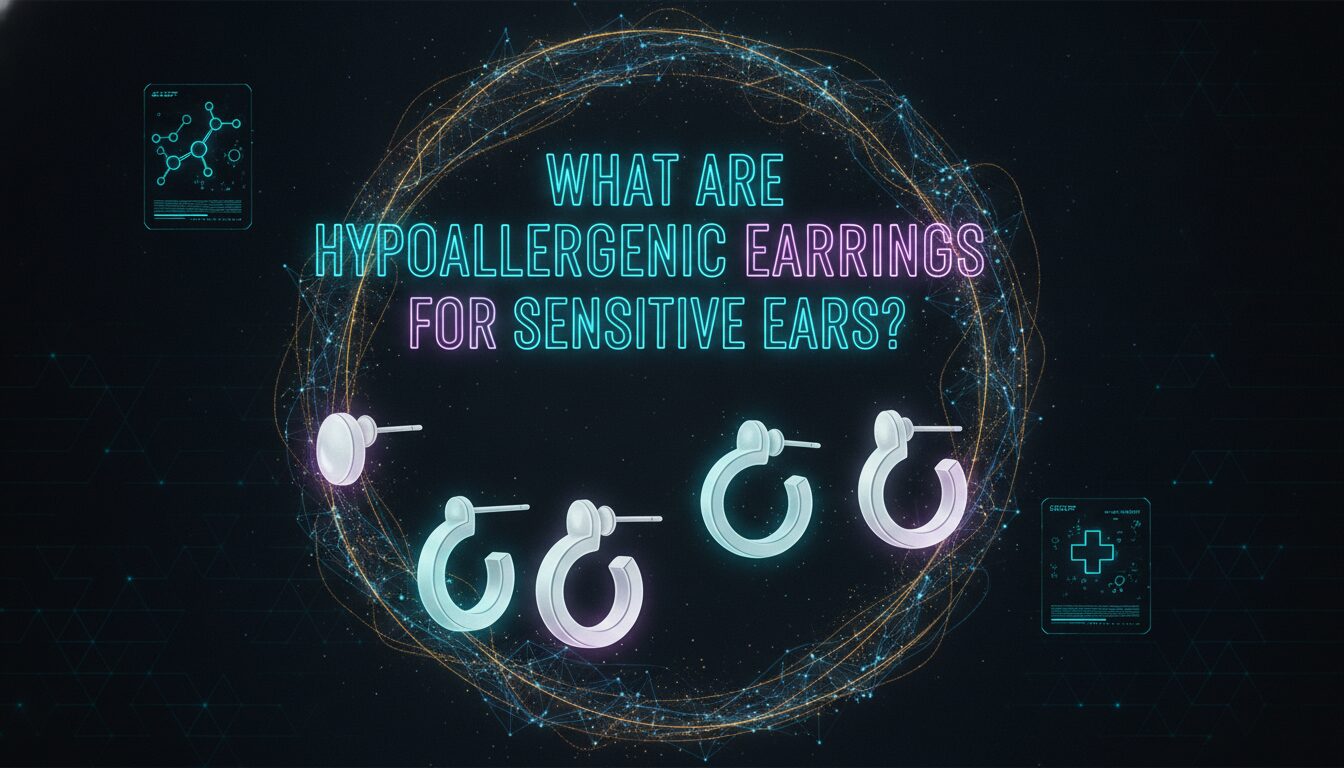
this type of ears are jewelry pieces designed to reduce the risk of allergic contact dermatitis. They’re made from materials that contain no nickel or release nickel below the threshold that triggers reactions in most people. For anyone with a known metal allergy, choosing this kind of sensitive ears can mean the difference between painful, swollen earlobes and all-day comfort.
The Science Behind Metal Allergies
Nickel is the metal most likely to cause a reaction, according to board-certified dermatologist Dr. Marisa Garshick, who spoke with Today.com. When nickel ions leach into the skin, your immune system can respond with redness, itching, swelling, and sometimes blistering. This reaction doesn’t always show up right away. It can develop after hours or even days of exposure, which makes it tricky to pinpoint the culprit. Cobalt and chromium can cause similar issues, but nickel remains the most common trigger by far.
“Nickel is one of the most common causes of allergic contact dermatitis, and even small amounts in jewelry can trigger a reaction in sensitive individuals,” says Dr. Marisa Garshick, board-certified dermatologist.
Hypoallergenic Does Not Mean Allergy-Proof
It’s worth understanding that “hypoallergenic” isn’t a regulated term in the jewelry industry. A product labeled hypoallergenic should contain minimal allergenic materials, but there’s no universal certification behind the word. For the safest bet, look for pieces explicitly labeled “nickel-free” or made from materials with a proven track record, like F-136 implant-grade titanium, which contains essentially no nickel. Brands like Grayling build entire collections around this material, so you’re not left guessing.
Choosing the Best Metals for Hypoallergenic Earrings
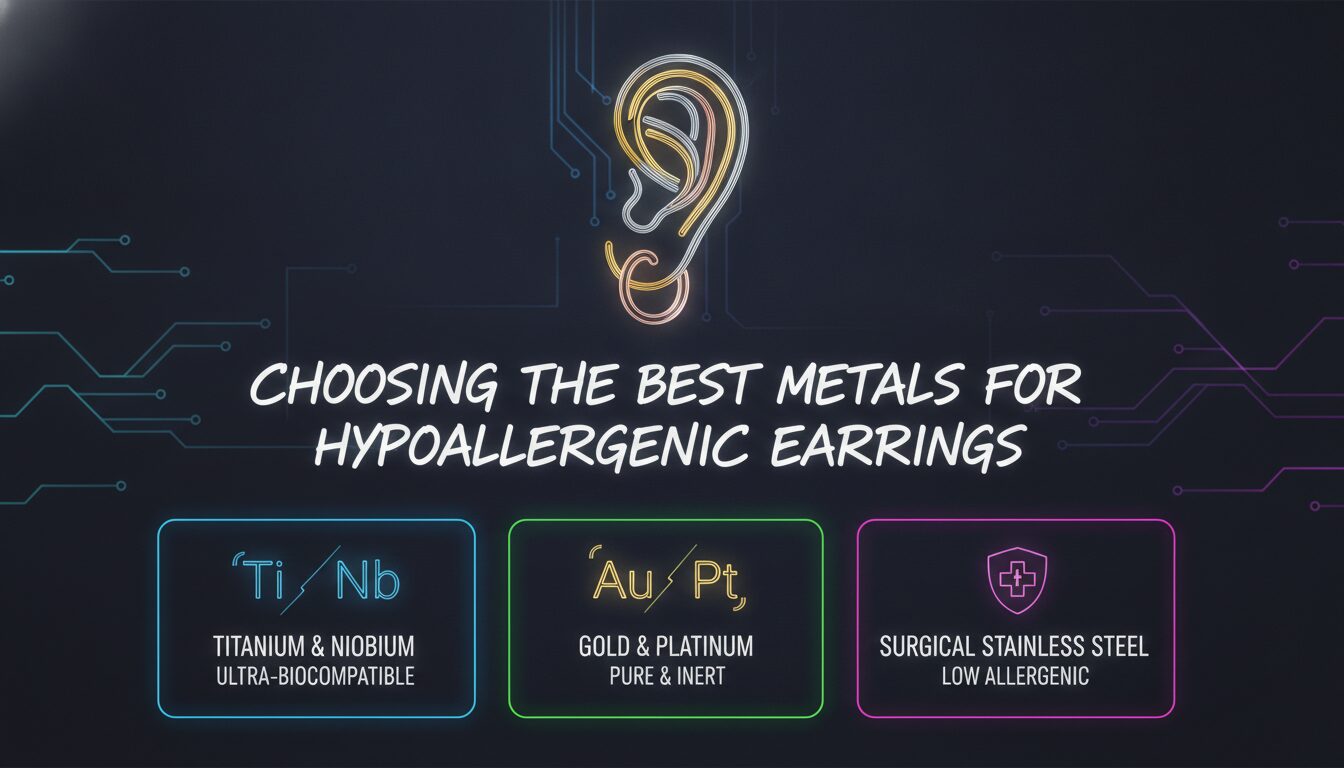
The best metal for hypoallergenic earrings depends on your skin’s sensitivity level, with implant-grade titanium as the top choice for most people. Not every “hypoallergenic” metal performs the same way, and your comfort really comes down to material quality. Here’s a closer look at the most common options available this season.
Implant-Grade Titanium: The Gold Standard
Implant-grade titanium (ASTM F-136) is widely considered the safest option for sensitive ears. It’s biocompatible, meaning the body accepts it without triggering an immune response. Grayling and Tini Lux use this material exclusively, often finished with a titanium nitride PVD coating for color without compromising safety. Titanium is also remarkably light. Tini Lux notes their earrings are so light you’ll forget you’re wearing them, and many of their pieces are waterproof too. Prices for titanium the earrings for sensitive ears typically range from around $20 for simple hoops to $80 or more for designer styles.
Surgical Steel: A Budget-Friendly Alternative
Surgical steel (usually 316L or 316LVM) is a popular pick for affordable ears. It does contain some nickel, but the alloy’s structure generally prevents it from leaching out in noticeable amounts. That said, people with extreme sensitivity may still react to standard surgical steel. Brands like Simply Whispers use specially formulated surgical steel with a nickel-free guarantee, which is worth seeking out if you’ve had trouble with lower-grade versions in the past.
Precious Metals: Gold and Sterling Silver
Fine gold (14k and above) is generally safe because the higher gold content leaves less room for allergenic alloys like nickel. White gold, though, often contains nickel, so opt for nickel-free rhodium plating if you go that route. Sterling silver (92.5% pure) is alloyed with copper, which rarely causes reactions but can tarnish and irritate some wearers over time. For guaranteed safety, solid 14k gold studs from reputable retailers, such as lab-grown diamond options from James Allen starting around $310, offer a long-term investment piece.
Medical-Grade Plastic: A Lightweight Option
For severe metal allergies, medical-grade plastic earrings offer a completely metal-free alternative. Blomdahl pioneered this category, using medical plastic that’s skin-safe, lightweight, and available in a range of colors and styles. Their medical plastic earrings start at $28, making this one of the more accessible entries into hypoallergenic earrings for sensitive ears for both kids and adults.
Top Styles and Designs for Sensitive Ears
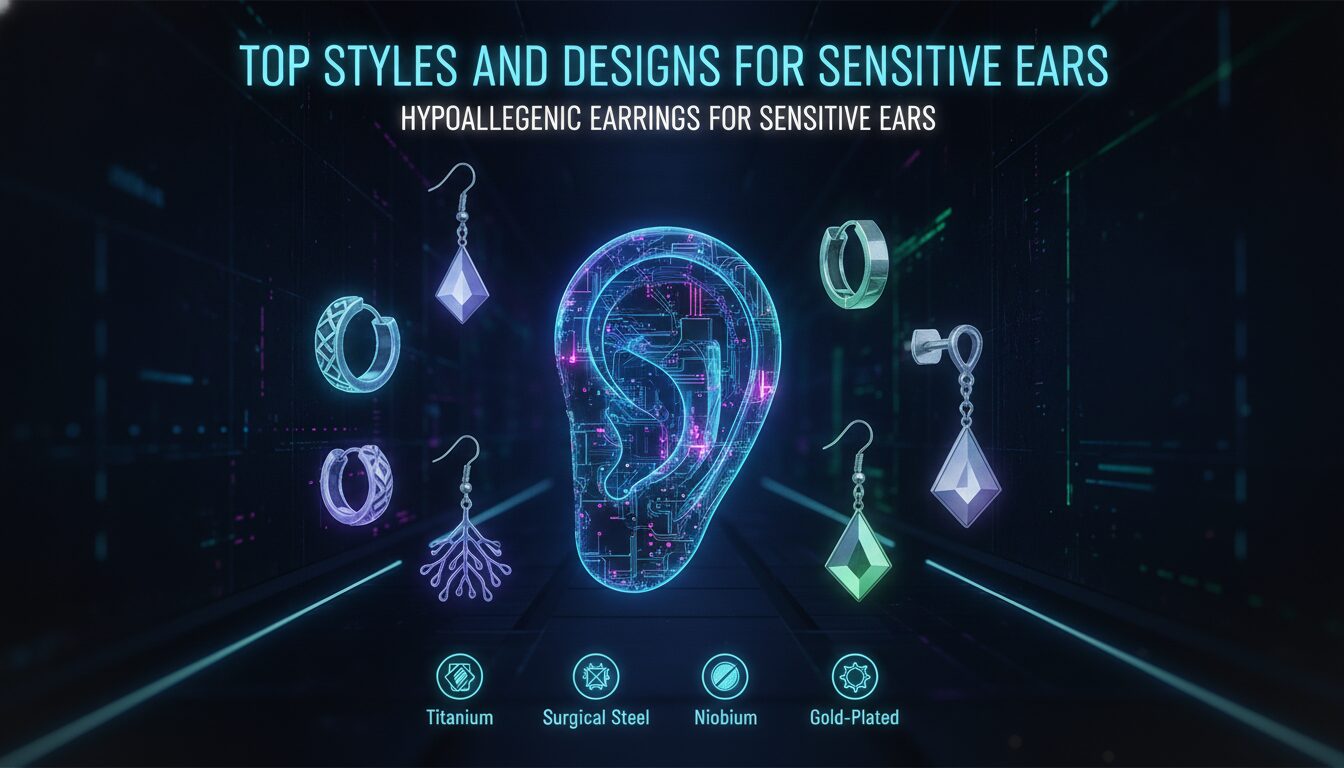
The best styles for sensitive ears feature flat backs, hinged closures, or seamless hoops that reduce friction against the skin. Once you’ve chosen a safe metal, the design itself can further influence how comfortable your earrings feel over a full day.
Flat Back Earrings for All-Day Comfort
Flat back studs, also called labret or cartilage studs, are ideal for sensitive ears. Unlike traditional butterfly backs, the flat disc sits flush against the skin, which prevents poking and reduces pressure during sleep or phone calls. Grayling offers a wide range of flat back sleepers in titanium, while Tini Lux features flat back starter studs that work well for newer piercings.
Hoop Earrings That Won’t Irritate
Hypoallergenic hoop earrings come in smooth, continuous designs that eliminate sharp edges. Tini Lux’s Large Rooftop Hoop, which carries 602 customer reviews and was voted best overall by Byrdie, is built from pure titanium with a lightweight, seamless feel. Huggie hoops with a hinged closure, like those from Simply Whispers, offer a secure fit without pinch points, which matters if you’re wearing hoops daily.
Studs: Simple and Safe for New Piercings
Basic hypoallergenic studs are the go-to for newly pierced ears. Look for screw-back or push-pin designs that won’t loosen easily throughout the day. Blomdahl’s medical plastic studs are made for initial piercings, with a highly polished smooth surface that resists bacteria buildup. Even for healed piercings, premium studs with CZ stones from brands like Limerencia offer elegant sparkle without compromising on safety.
Why Closure Design Reduces Irritation
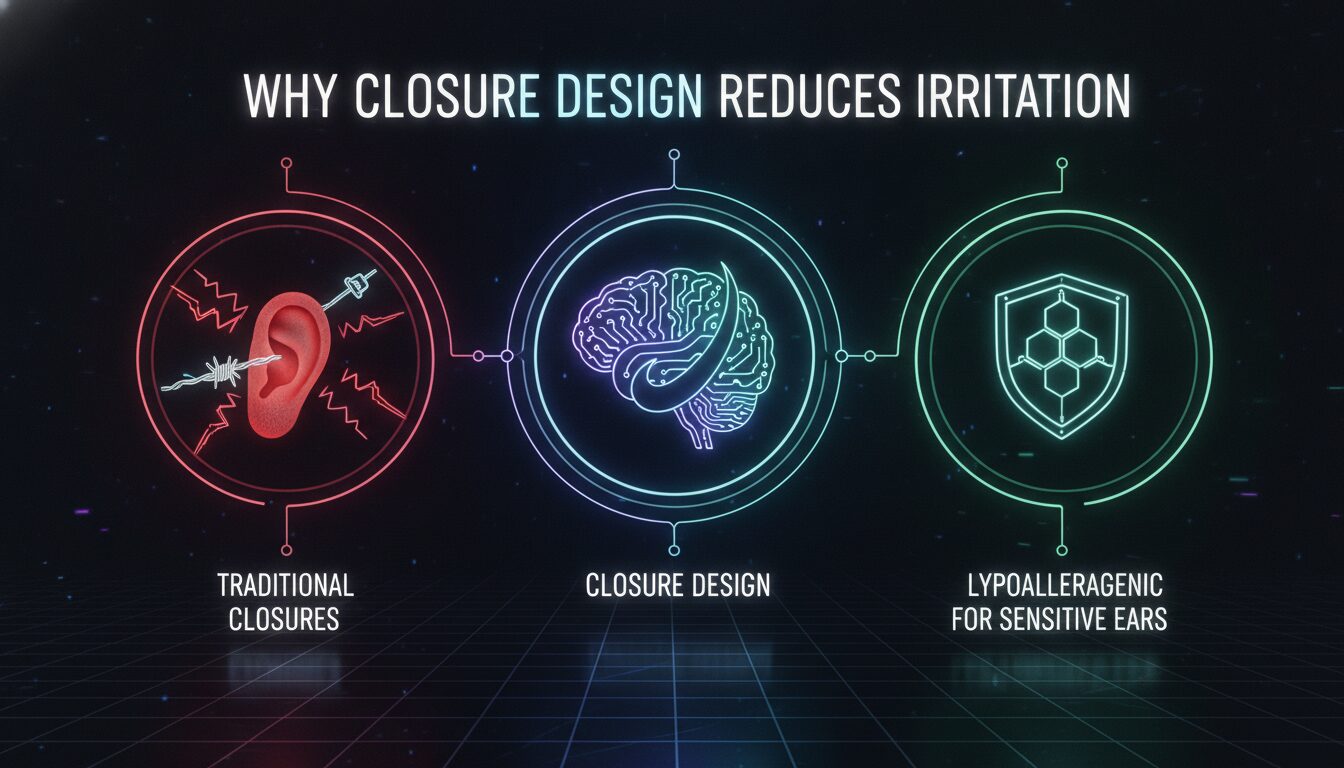
The way an earring secures to your ear affects how your skin reacts just as much as the metal itself does. Beyond material choice, closure design is one of the most overlooked factors in comfortable, hypoallergenic earrings for sensitive ears.
Screw Backs vs. Butterfly Backs
Screw-back earrings make a real difference for sensitive ears. The threaded post and back lock gently in place, avoiding the tight squeeze of butterfly backs that can trap bacteria and cause swelling. Tini Lux uses screw-back designs on many of their studs to keep the fit secure yet gentle. Standard butterfly backs, by contrast, often contain hidden nickel in their brass components, which can leach into the piercing channel over time.
Endless Clasp and Hinge Hoops
For hoop lovers, endless clasp and hinge designs are the safest bet. They have no sharp posts to scratch the skin, and the seamless closure won’t snag on clothing or hair. Simply Whispers offers titanium hinged segment rings that click smoothly into place, a good option for both cartilage and lobe piercings.
The Importance of Smooth Finishes
A high-polish finish isn’t just about looks. It reduces the microscopic crevices where bacteria and nickel ions can build up. Blomdahl puts its earrings through rigorous polishing to reach a surface roughness below Ra 0.4 µm, a benchmark borrowed from medical device manufacturing. That level of detail can make a real difference in preventing irritation during long wear.
“When it comes to sensitive skin, the finish and closure of an earring matter just as much as the base metal. A rough surface or a butterfly back with hidden nickel can undo the benefits of an otherwise safe material,” notes a piercing specialist quoted by Byrdie in its testing roundup.
How to Care for Hypoallergenic Earrings
Proper care keeps hypoallergenic earrings for sensitive ears working the way they should, since even the safest metals can cause problems if left dirty. A simple routine goes a long way toward avoiding unexpected reactions months down the line.
Daily Cleaning Routine to Prevent Buildup
Follow these steps to keep your earrings free of debris and bacteria:
- Step 1: Gather supplies. Use a gentle, fragrance-free soap, warm water, and a soft microfiber cloth. Skip abrasive cleaners that can scratch the surface.
- Step 2: Soak and swish. Fill a small bowl with warm water and a drop of soap. Submerge the earrings and gently agitate for 2-3 minutes.
- Step 3: Rinse thoroughly. Rinse under clean running water to remove all soap residue, which can itself cause irritation.
- Step 4: Dry completely. Pat dry with a microfiber cloth or let air dry on a clean surface. Never store earrings while damp, since moisture encourages bacterial growth.
Storage Tips to Avoid Contamination
Store your hypoallergenic earrings separately from fashion jewelry that may contain nickel. Use a dedicated jewelry box with fabric-lined compartments or individual anti-tarnish pouches. Avoid humid bathrooms; the dry environment of a bedroom closet works much better. If you own several pairs, consider labeling compartments by metal type to avoid mixing them up.
When to Replace Your Earrings
Even high-quality metals degrade eventually. Check your earrings monthly for pitting, discoloration, or rough spots. Plated metals can wear through to a reactive base layer after 6 to 12 months of regular use. If you notice a texture change, or your ears suddenly react to a previously comfortable pair, it’s time to retire them. Solid titanium and niobium pieces, on the other hand, can last a lifetime with basic care.
Healing Timeline for New Piercings
A new piercing typically needs 6 to 8 weeks to heal for lobes, and 3 to 12 months for cartilage, according to general piercing industry guidance. During this window, sticking with hypoallergenic earrings for sensitive ears, cleaning with saline solution, and avoiding unnecessary touching all support faster, cleaner healing. Swapping jewelry too early is one of the most common causes of prolonged irritation.
Best Hypoallergenic Earring Brands for Sensitive Ears
The top hypoallergenic earring brands include Grayling, Tini Lux, Simply Whispers, and Blomdahl, each specializing in nickel-free materials at different price points. As demand for skin-safe jewelry has grown, these names have become the ones stylists and dermatologists point to most often. The table below compares them by material, price, and standout features.
| Brand | Primary Material | Price Range | Standout Feature | Customer Reviews |
|---|---|---|---|---|
| Grayling | F-136 implant-grade titanium, 14k gold | $22-$85 | Flat back sleepers, founded by a skin allergy sufferer | Strong base of positive testimonials |
| Tini Lux | Pure titanium with PVD coating | $50-$80 | Waterproof, lightweight, 602 reviews on Large Rooftop Hoop | Verified Buyer: “First time comfortable wearing earrings in over a decade” |
| Simply Whispers | Titanium, surgical steel | $18-$30 | Nickel-free guarantee, made in the USA | 5-star reviews citing quick relief from swelling |
| Blomdahl | Medical-grade plastic, pure titanium | $28-$40 | Medical plastic options, ideal for extreme allergies | “Healed up her piercings in 3 days” |
| Just Ti | Pure titanium | $21 | Ultra-budget gold hoops under $20 | Recommended by Byrdie as best budget |
All of these brands maintain strict quality standards and offer easy returns, so it’s simple to test which one works best for your skin.
A Guide for Children and New Piercings
Children’s ears tend to be more sensitive, and initial piercings need extra care to avoid healing complications and lifelong sensitivities. Choosing the right starter earrings from day one sets the tone for how comfortable a piercing feels for years to come.
Choosing Safe Starter Earrings
For newly pierced ears, implant-grade titanium or medical plastic are your safest bets. Many piercing studios now use Blomdahl’s medical plastic system, which contains no metal at all. If metal is preferred, F-136 titanium studs with a flat back and a slightly longer post accommodate initial swelling comfortably. Avoid any earring with nickel in the post or back. Even trace amounts can trigger a reaction during the vulnerable healing phase.
Kid-Friendly Designs That Stay Put
Active kids need earrings that won’t fall out during sports or sleep. Screw-back and endless-hoop styles are excellent choices for this reason. Tini Lux’s starter studs, with smooth titanium construction and secure threading, are popular among parents shopping for hypoallergenic earrings for sensitive ears for their children. Look for small, rounded shapes with minimal protrusions to prevent snagging, and fun motifs like daisies, stars, or hearts to keep the experience positive.
Pros and Cons of Hypoallergenic Earrings
Pros
- Significantly lower risk of redness, itching, swelling, and contact dermatitis compared to standard costume jewelry.
- Wide range of materials (titanium, surgical steel, gold, medical plastic) to match different budgets and sensitivity levels.
- Many styles, like flat backs and screw backs, improve overall comfort even for people without diagnosed allergies.
- Reputable brands often offer nickel-free guarantees and generous return policies.
Cons
- “Hypoallergenic” isn’t a regulated term, so labeling can vary between brands.
- Premium materials like implant-grade titanium and solid gold cost more upfront than standard jewelry.
- Even nickel-free metals can occasionally cause reactions in people with extreme sensitivities.
- Plated or coated pieces may wear down over time and expose a reactive base metal.
Frequently Asked Questions
What metal is truly hypoallergenic?
Implant-grade titanium (F-136) is considered the most reliably hypoallergenic option because it contains essentially no nickel and is biocompatible. Niobium and high-karat gold (18K and above) are also strong choices for sensitive ears.
Are hypoallergenic earrings good for your ears?
Yes, hypoallergenic earrings help prevent the allergic reactions caused by nickel and other common irritants. They reduce itching, redness, and swelling, making them a healthier option for everyday and long-term wear.
What earrings don’t make your ears sore?
Earrings made from lightweight titanium or medical plastic with a flat or screw back minimize pressure and friction. Styles with smooth, seamless edges are the least likely to cause soreness, especially during sleep.
Is titanium 100% hypoallergenic?
Pure, unalloyed titanium is essentially hypoallergenic for the vast majority of wearers. Some titanium alloys may contain trace elements, so it’s best to look for implant-grade ASTM F-136 to guarantee purity when shopping for hypoallergenic earrings for sensitive ears.
Can I wear hypoallergenic earrings in new piercings?
Yes, and it’s actually recommended. Medical-grade titanium or plastic earrings are considered safe for initial piercings and can support cleaner healing by reducing the risk of infection and irritation.
How do I know if my earrings are causing an allergic reaction?
Watch for itching, redness, swelling, crusting, or a rash around the piercing site. If these symptoms appear soon after switching earrings, it’s likely a reaction to nickel or another allergenic metal in the jewelry, and it may be time to switch to hypoallergenic earrings for sensitive ears.
Investing in quality hypoallergenic earrings for sensitive ears is the first step toward comfortable, stylish accessorizing that lasts well beyond one season. With the right materials, smart design choices, and a little regular care, you can wear earrings all day without worrying about irritation. Shop the collection at lexazi.com, where orders over $75 ship free.