Color meanings for mood necklace reveal your emotional temperature through thermochromic magic. Each shifting hue , from calming blues to passionate reds , reflects subtle changes in your body heat, creating a beautiful conversation between your inner state and outer style.
Key Takeaways
- Mood necklaces use thermochromic liquid crystals to change color with temperature shifts, offering a visual cue to emotional state.
- The color meanings for mood necklace range from blue (relaxed) to black (stressed), with green as the typical baseline.
- While not clinically precise, mood jewelry sparks conversations about well-being and self-expression.
- This guide includes a full color chart, accuracy factors, a step-by-step reading method, and maintenance best practices.
What Are Mood Necklaces and How Do They Work?
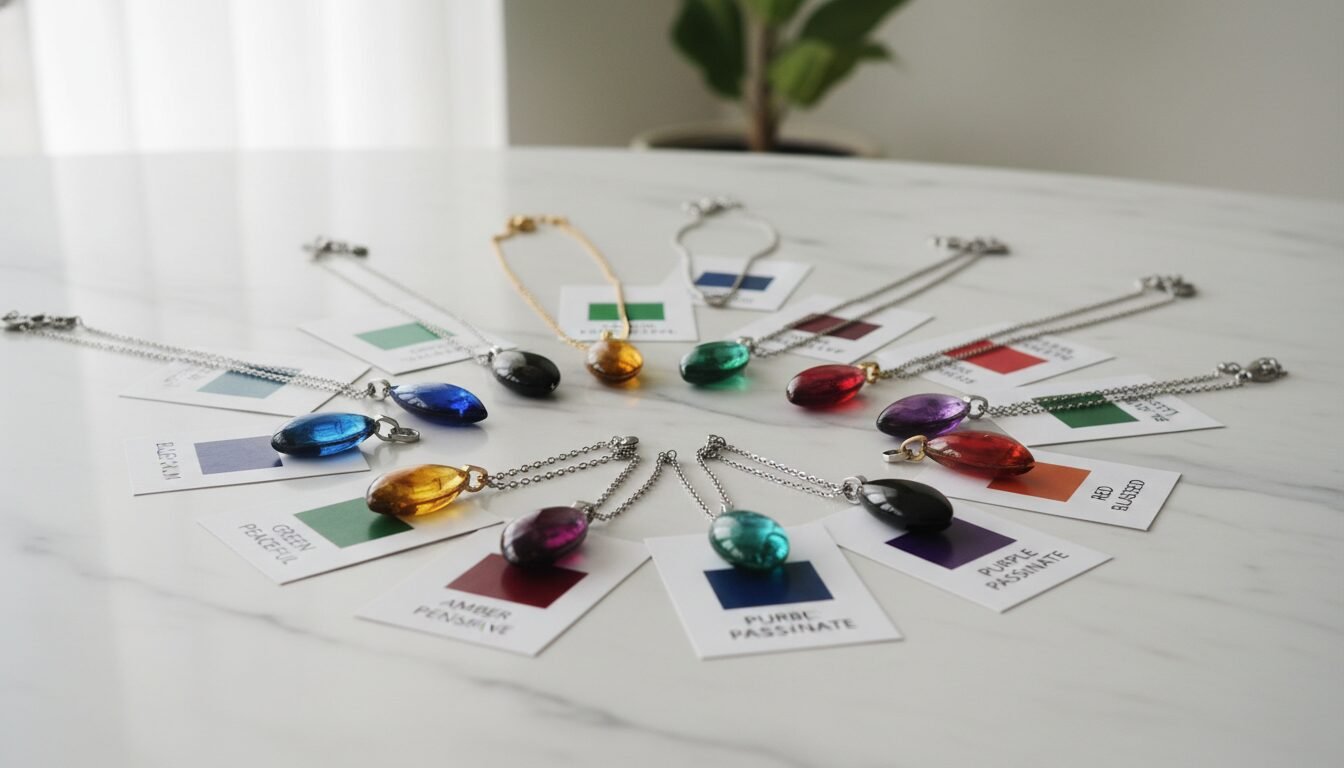
A mood necklace uses thermochromic materials to change color in response to your body’s temperature fluctuations. The pendant contains liquid crystals sealed in glass or resin that shift their molecular structure as warmth rises or falls, reflecting different wavelengths of light. This creates the mesmerizing color changes that feel almost intuitive to your emotional rhythms.
“The original mood ring was invented in 1975 by Joshua Reynolds, a New York inventor who encapsulated liquid crystals in a glass dome.” – Smithsonian Institution
The Science of Thermochromic Liquid Crystals
Liquid crystals exist in that fascinating space between liquid and solid states. In mood necklaces, they’re layered in a thin film that twists light differently at various temperatures. Below typical body temperature (around 28°C–31°C), the crystals appear black or deep gray. As your skin warms, they reorient to reflect those dreamy blues, balanced greens, and eventually passionate reds.
How Your Body Temperature Creates Color Magic
Your skin temperature naturally hovers around 36°C–37°C. Even a half-degree shift , triggered by excitement, stress, or simply moving from air conditioning to sunshine , can tilt those crystals enough to bloom into a completely new shade. This sensitivity makes the color meanings for mood necklace feel almost mystical.
Complete Color Chart: What Each Shade Reveals
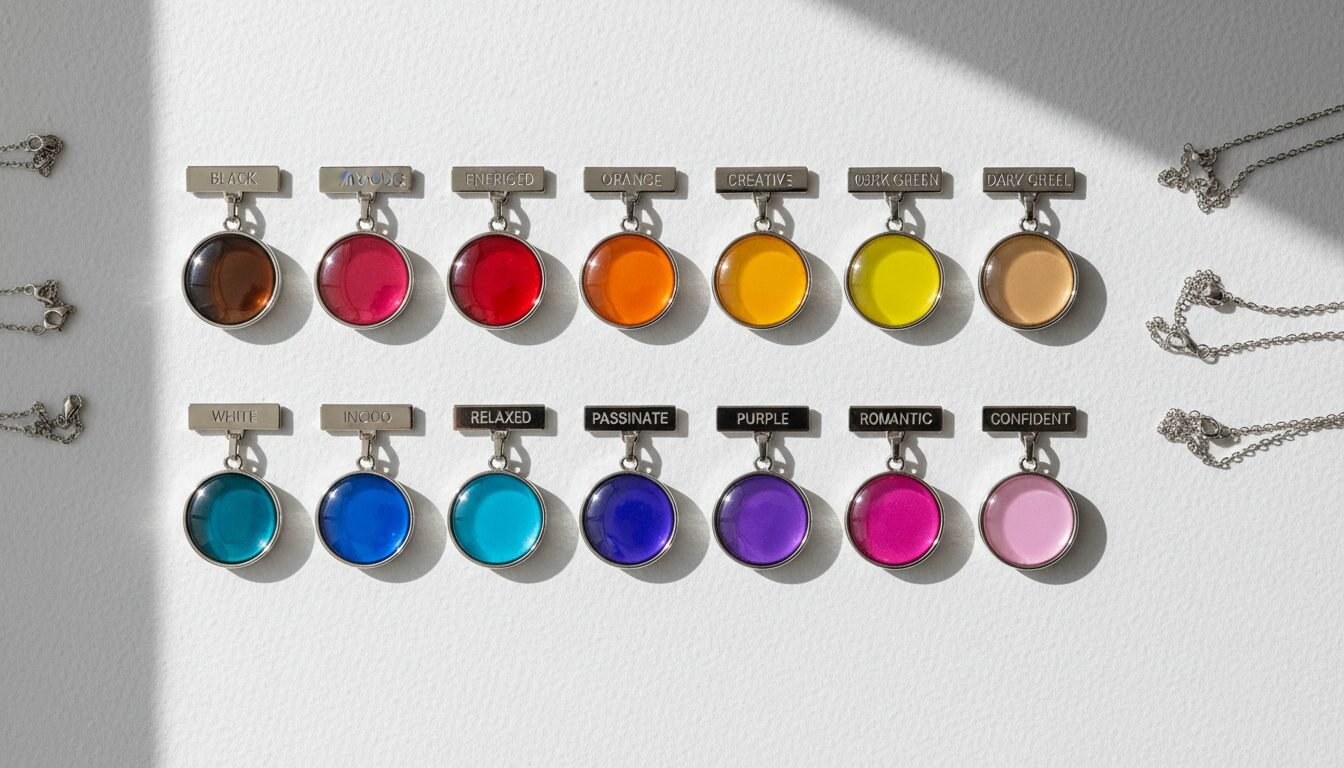
The color meanings for mood necklace follow a thermal-emotional spectrum that feels surprisingly intuitive. Cool tones whisper of calm contentment, while warm hues pulse with heightened energy or tension. Here’s your complete decoder ring:
| Color | Emotional Meaning |
|---|---|
| Black | Fear, stress, overwhelmed, intense |
| Brown | Nervous, anxious, cautious, mellow |
| Orange | Unsettled, mixed emotions, confused, challenged |
| Yellow/Amber | Slight nervousness, excitement, optimism |
| Green | Average, calm, active but not stressed |
| Light Blue | Relaxed, pleased, motivated, peaceful |
| Dark Blue | Deeply happy, bliss, love-struck |
| Purple | Romantic, dreamy, creative, mischievous |
| Pink | Affectionate, warm, curious, infatuated |
Cool Colors: Your Zen Palette
Blue tones are your emotional safe harbor , light blue signals that relaxed, motivated feeling when everything flows effortlessly, while dark blue reveals those deeply content moments when you’re completely at peace. Green sits beautifully in the middle, your balanced baseline when you’re neither agitated nor withdrawn. Purple adds romance and imagination, perfect for those dreamy, creative moods.
Warm Colors: Energy in Motion
Yellow and amber catch those moments of rising energy , maybe pre-date butterflies or the excitement before a presentation. Orange intensifies that feeling, reflecting confusion or emotional complexity. These warmer shifts happen when your circulation quickens with emotional arousal, creating that beautiful dance between feeling and color.
Neutral Tones: The Quiet Moments
Black often appears when your pendant is simply cold, but it can also mirror stress or withdrawal when your body redirects warmth inward. Brown suggests nervousness or distraction , those scattered moments when you can’t quite settle. These darker shades aren’t necessarily negative; they’re just your quieter emotional registers.
The Science Behind Mood Jewelry Magic
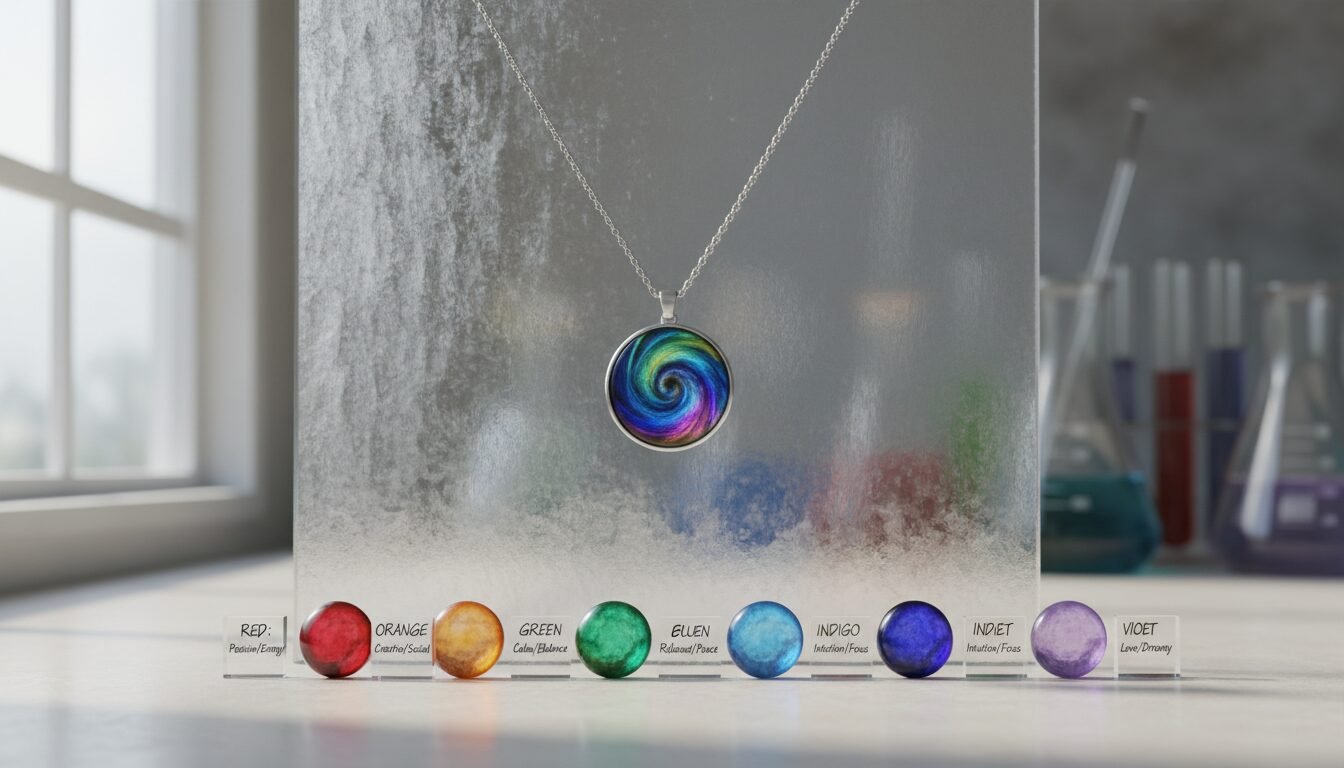
Understanding color meanings for mood necklace requires appreciating the beautiful connection between temperature and emotion. While not diagnostic, these pieces leverage well-documented physiological responses that make the color feedback feel surprisingly accurate.
Temperature and Emotion: The Body’s Truth
When you experience fear or excitement, your sympathetic nervous system redirects blood flow to major muscle groups, subtly raising skin temperature. Conversely, sadness or deep relaxation tends to lower peripheral heat. Your mood necklace acts as a gentle thermometer, translating these micro-changes into visible beauty.
Color Psychology Meets Fashion
Research consistently shows that colors influence our emotional state. According to Verywell Mind, blue naturally calms while red can quicken your pulse. Green represents balance and growth. These associations create the symbolic layer that makes mood jewelry feel intuitively right.
How to Read Your Mood Necklace: A Simple 3-Step Method
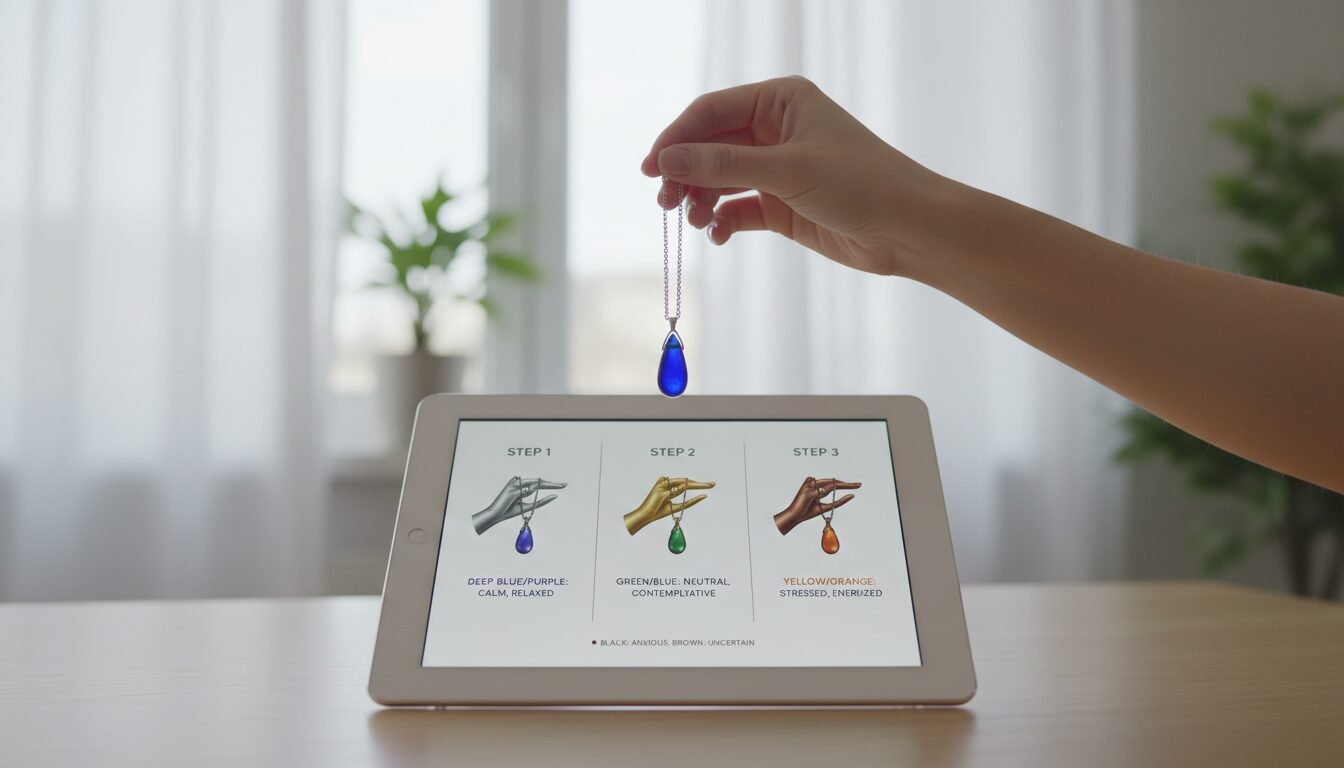
Reading your mood necklace accurately starts with understanding your personal color baseline. Here’s how to become fluent in your pendant’s language:
- Establish your resting color. Wear your necklace in a comfortable, neutral environment for 10 minutes. Note this baseline shade , usually green or light blue , when you’re feeling balanced.
- Track shifts during different activities. Check your pendant after yoga versus after a challenging work call. Notice how it responds to your morning coffee versus evening wind-down routine.
- Create your personal color story. Over a week, patterns emerge. You might discover orange always appears before important meetings, or purple shows up during creative projects.
Choosing Your Perfect Mood Necklace Style
Beyond the color meanings for mood necklace, the design and materials affect both your style and the pendant’s longevity. Here’s how to find your perfect match:
Metals That Complement Your Wardrobe
Sterling silver offers timeless elegance and resists tarnishing , perfect for layering with other delicate jewelry pieces. Gold-plated options add warmth that complements sun-kissed skin, while stainless steel provides modern durability for active lifestyles. The pendant shape , heart, teardrop, or classic cabochon , lets you express your personal aesthetic.
Styling Your Mood Necklace
For everyday wear, choose a dainty mood pendant on a fine chain that adds subtle color play to your linen dresses and cotton basics. For evening, a larger statement stone pairs beautifully with solid-color tops that let the shifting hues take center stage. Layer with other necklaces at varying lengths for that effortless, collected-over-time look.
| Material | Color Range | Durability | Typical Price (2026) |
|---|---|---|---|
| Liquid Crystal (glass dome) | Classic 6–7 hues | Delicate; avoid drops and water | $15–$40 |
| Thermochromic Dye (resin) | Broader, more vibrant spectrum | More robust, may fade over time | $20–$60 |
| Advanced Composite | 7–10 distinct colors | Scratch-resistant, 3+ year lifespan | $35–$80 |
What Affects Your Mood Necklace Accuracy
While color meanings for mood necklace can offer fascinating insights, several factors can influence the readings. Understanding these helps you interpret your pendant more accurately:
Weather and Environment
A scorching summer day might lock your stone in the warm range , flashing orange or red even during your most zen moments. Winter weather can keep it stubbornly black or brown. Air conditioning blowing directly on your chest also chills the pendant, skewing results. For the most accurate readings, observe your necklace indoors where temperature stays consistent.
Your Unique Thermal Signature
Some people naturally run warmer or cooler than others. Athletes with higher metabolisms might rarely see those peaceful blues, while those with slower circulation may seldom reach passionate reds. Your necklace reflects your personal thermal profile, not a universal emotional truth. Think of it as your individual color language rather than a standardized mood chart.
Mood Necklaces: From 70s Novelty to Modern Wellness
Mood jewelry experienced its first wave of popularity in the 1970s as a fascinating novelty. Today’s resurgence reflects our growing focus on mindfulness and self-awareness, with the global necklace market projected to reach $75.85 billion by 2032, according to industry reports.
The Wellness Revolution
Originally sold as “biometric” curiosities, mood necklaces faded in the 1980s only to return stronger than ever. Today’s wellness-focused culture embraces them as mindfulness tools , gentle reminders to check in with yourself throughout the day, much like a beautiful, wearable meditation prompt.
Modern Technology Meets Timeless Appeal
Contemporary mood necklaces use more sensitive thermochromic dyes that transition through up to 10 colors, compared to vintage liquid crystals’ limited 5-6 shade range. Water-resistant resin casings add durability, while hypoallergenic metals accommodate sensitive skin. The result? Mood jewelry that’s both more beautiful and more reliable.
Caring for Your Mood Necklace
Proper care ensures your color meanings for mood necklace stay vibrant and responsive for years. These simple practices protect your investment:
Daily Care Rituals
Gently wipe your pendant with a soft, dry cloth after each wear to remove oils and moisture. Never use chemical cleaners or ultrasonic machines , they can damage the delicate liquid crystals. Store your necklace in a soft pouch away from direct sunlight to prevent premature fading.
What to Avoid
Remove your mood necklace before swimming, showering, or applying perfume. Chlorine, salt water, and alcohol-based products can degrade both the thermochromic element and metal setting. Extreme heat , like saunas or leaving it in a hot car , can permanently warp the color-changing layer.
Frequently Asked Questions
What do the colors on a mood necklace mean?
Colors reflect your body temperature, which loosely correlates with emotional state. Green and blue suggest calm and contentment, yellow indicates excitement or mild nervousness, while black often signals stress or simply that the pendant is cold. Each color creates a personal emotional vocabulary unique to you.
Are mood necklace colors scientifically accurate?
They’re not clinically validated emotional indicators, but they do respond to real physiological changes. Mood necklaces react to temperature shifts that often accompany emotional states, making them surprisingly intuitive personal awareness tools rather than medical devices.
How can I make my mood necklace change color faster?
Gently warm the stone by cupping it in your palms or breathing softly on it. Your body heat will gradually shift the crystals to reflect your current temperature. Avoid extreme heat sources like lighters, which can permanently damage the thermochromic materials.
Can mood necklaces get wet?
Most aren’t fully waterproof , a light splash is usually fine, but soaking can seep under the seal and ruin the color-changing layer. Always dry your necklace immediately if it gets wet, and remove it before swimming or showering.
Where can I buy a reliable mood necklace?
Look for reputable sellers who include detailed color meaning charts and care instructions. Sterling silver options offer durability and timeless style, while resin-cased versions provide broader color ranges. Always check reviews for longevity and color accuracy.
Ready to discover your personal color story? Shop the collection at lexazi.com , free shipping on orders over $75.