Heel spurs therapy is a comprehensive treatment approach targeting both bony growths and associated inflammation to restore pain-free foot function.
Key Takeaways
- Conservative spurs therapy resolves symptoms in over 90% of cases without surgery
- Daily stretching and proper footwear form the foundation of effective treatment
- Shockwave therapy offers 70-85% success rates for persistent cases
- Weight loss of just 5% can significantly reduce heel pain in overweight individuals
- Surgery is reserved for cases failing 6-12 months of non-surgical care
- Prevention through gradual training increases and supportive shoes prevents recurrence
Understanding Heel Spurs and Their Relationship to Plantar Fasciitis
What Are Heel Spurs?
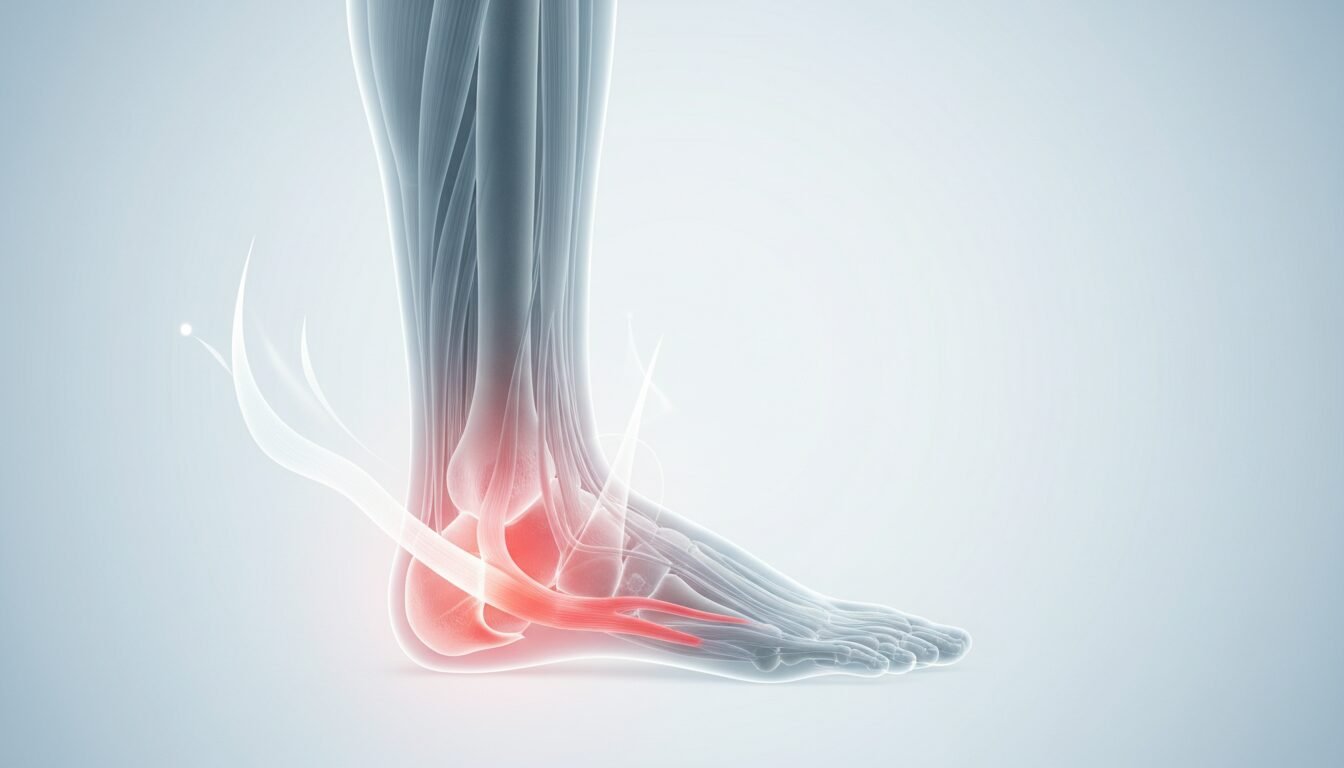
A heel spur is a calcium deposit forming a bony protrusion on the underside of the heel bone (calcaneus). This growth develops gradually over months or years due to repetitive strain on the plantar fascia, the thick band of tissue connecting the heel to the toes. According to the American Academy of Orthopaedic Surgeons, heel spurs are often visible on X-rays but are not the primary cause of heel pain in most patients. In fact, only about 5% of people with heel spurs experience pain directly from the spur itself; the discomfort is usually due to plantar fasciitis.
How Heel Spurs Differ from Plantar Fasciitis
Plantar fasciitis is inflammation of the plantar fascia, while a heel spur is a structural bone change. The two frequently occur together because chronic tension on the fascia can pull at its insertion point on the heel, causing calcification. A key distinction is that heel spurs do not cause plantar fasciitis pain, removing the spur is rarely necessary. Effective these therapy for plantar fasciitis often resolves associated heel pain even if the spur remains. Over 2 million people are treated annually in the U.S. for plantar fasciitis, making it one of the most common foot complaints.
Effective Heel Spurs Therapy: The Conservative Approach
Rest and Activity Modification
The first step in such therapy is reducing stress on the foot. High-impact activities like running, jumping, and prolonged standing aggravate the condition. Switching to low-impact exercises such as cycling or swimming allows the foot to heal while maintaining fitness. Many clinicians recommend a period of relative rest using a walking boot or crutches if pain is severe. As a general rule, pain should guide activity levels: avoid movements that reproduce sharp heel pain.
Ice Therapy and Pain Management
Ice therapy is a simple, cost-effective home remedy. Apply an ice pack (wrapped in a cloth to prevent frostbite) to the painful heel for 15-20 minutes, three to four times daily. This reduces inflammation and numbs the area. Over-the-counter NSAIDs like ibuprofen or naproxen can also help manage discomfort. These measures are most effective when combined with other heel spurs modalities like stretching and footwear changes.
Step-by-Step Home Therapy for Heel Spurs
- Immediately reduce weight-bearing activities – Cut back on running, dancing, or prolonged standing. Switch to cycling or swimming for 1-2 weeks until pain subsides.
- Apply ice after activity – Use an ice pack for 15-20 minutes over the tender area. Repeat 3-4 times a day.
- Start gentle stretches – Perform calf and plantar fascia stretches (see below) 2-3 times daily. Avoid aggressive stretching that triggers pain.
- Wear supportive shoes – Use footwear with cushioned heels and arch support, or add over-the-counter heel cups. Avoid flat, unsupportive shoes.
- Monitor progress – If pain does not improve within 2-3 weeks, consult a healthcare provider for further evaluation and possible prescription orthotics or physical therapy.
Physical Therapy and Stretching Protocols for Heel Spurs Therapy
Essential Stretches for the Plantar Fascia and Calf
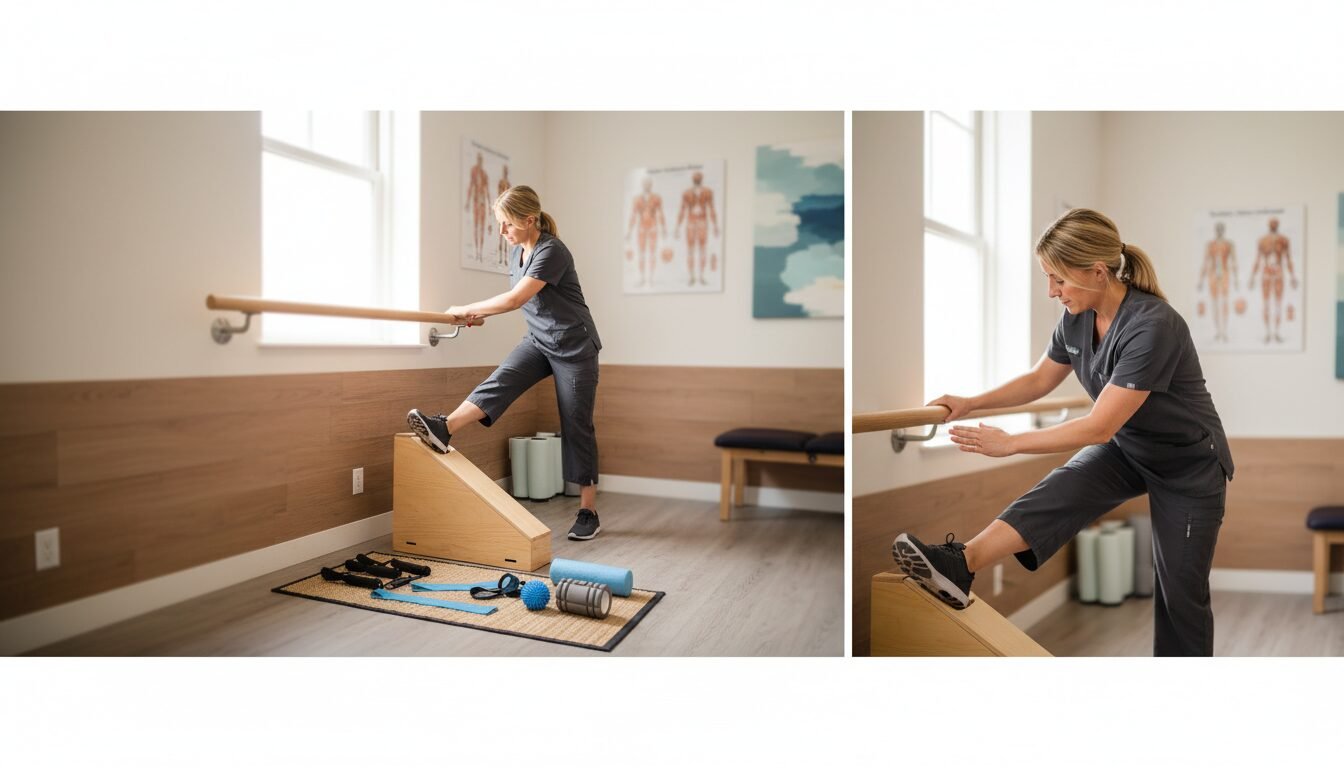
Targeted stretching is a foundation of spurs therapy. Tight calf muscles and a shortened plantar fascia increase tension on the heel, worsening pain. The following exercises are recommended by the National Institutes of Health:
- Standing calf stretch: Face a wall, place one foot behind the other, and lean forward keeping the back heel down. Hold for 30 seconds, repeat 3 times per leg.
- Towel stretch: While seated, loop a towel around the ball of the foot and gently pull toward you, keeping the knee straight. Hold for 30 seconds.
- Plantar fascia stretch on a step: Stand on a step with heels hanging off, lower heels below step level to feel a stretch. Hold for 20-30 seconds.
Consistency is critical, perform these stretches at least twice daily, especially in the morning before getting out of bed to reduce first-step pain.
Strengthening Exercises for Foot Stability
Strengthening the intrinsic foot muscles and lower leg improves biomechanics and reduces recurrent heel pain. Toe curls (picking up marbles or a towel with toes), heel raises, and balancing on one foot can be integrated into a daily routine. Physical therapy may include equipment like resistance bands or wobble boards to progress safely. A structured these therapy program under a physical therapist’s guidance typically yields noticeable improvement within 4-8 weeks.
Night Splints and Taping Techniques
Night splints maintain the foot in a dorsiflexed position during sleep, preventing the plantar fascia from tightening overnight. This reduces morning pain and stiffness. Athletic taping or kinesiology tape can provide daytime support by lifting the arch and reducing strain on the heel. These techniques complement other such therapy approaches and are particularly helpful for athletes returning to activity.
Supportive Footwear and Orthotics in Heel Spurs Therapy
Choosing the Right Shoes
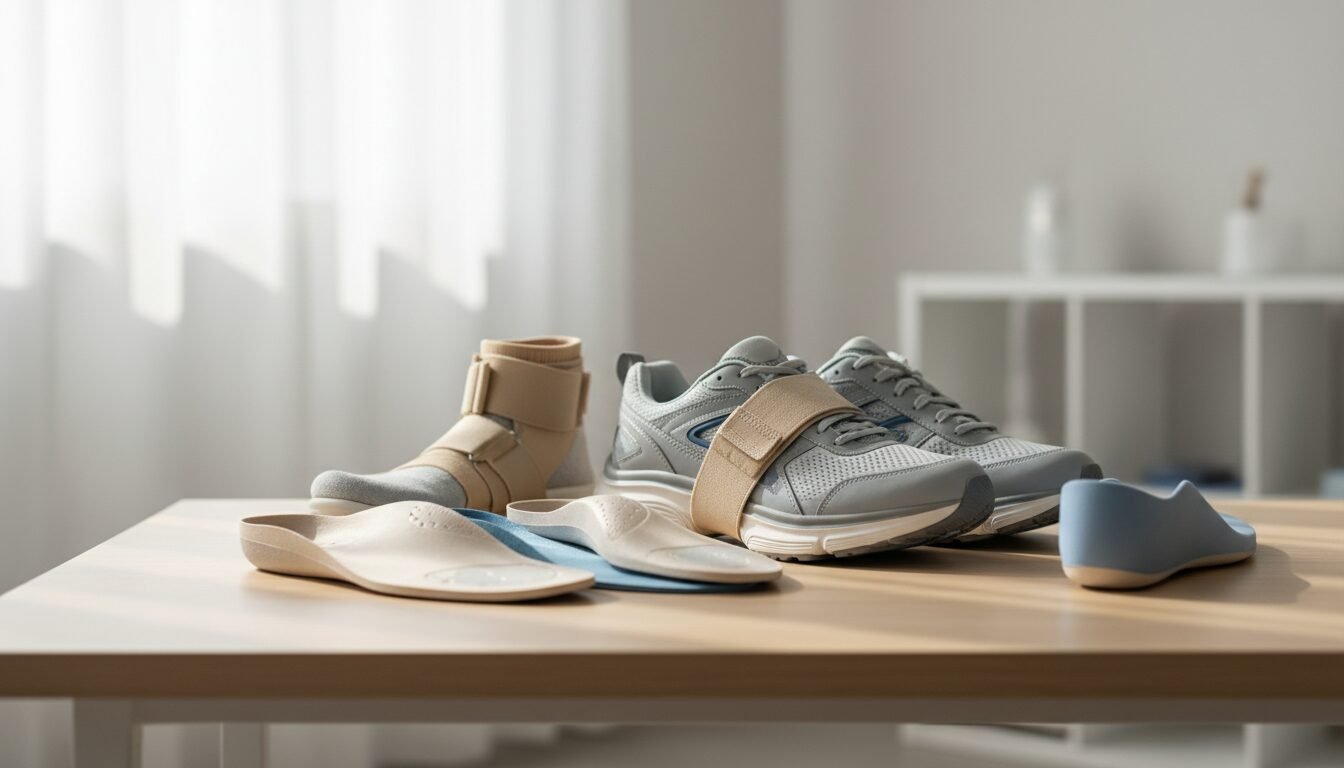
Proper footwear is a non-negotiable part of heel spurs therapy. Shoes should have a firm heel counter, moderate arch support, and a cushioned sole to absorb impact. Avoid worn-out athletic shoes and flat sandals. For individuals who stand for long periods, such as healthcare workers, teachers, and factory workers, replacing shoes every 300-500 miles or every 6 months is advisable. Brands like Brooks, Asics, and New Balance offer models with excellent heel cushioning, while podiatrist-designed inserts like Superfeet or Powerstep provide additional arch support.
Custom Orthotics and Heel Cups
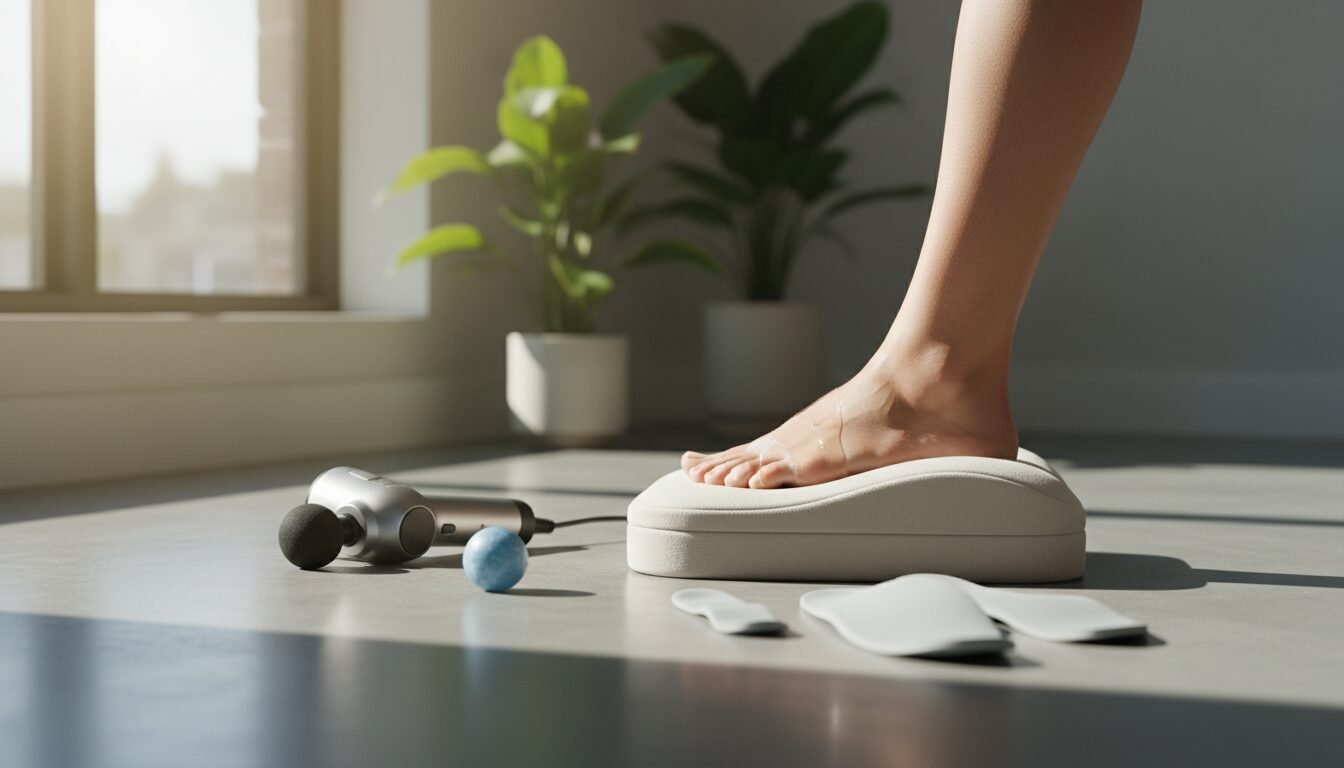
For persistent symptoms, custom orthotics prescribed by a podiatrist or orthopedist can redistribute pressure away from the heel spur. These devices can cost between $200 and $600 but are often covered by insurance when medically necessary. Studies suggest that custom foot orthoses can reduce peak plantar pressure in the heel region, significantly lowering pain during walking. Heel cups and silicone heel pads offer a lower-cost alternative (around $20-$50) and can provide immediate relief for mild cases as part of comprehensive heel spurs therapy.
Advanced Heel Spurs Therapy: Non-Invasive Modalities
Extracorporeal Shockwave Therapy (ESWT)
When conservative care fails within 3-6 months, shockwave therapy is a proven next step. This heel spurs therapy technique uses high-energy sound waves to stimulate blood flow, break down calcifications in the soft tissue, and promote cellular repair. Clinical studies report success rates with ESWT ranging from 70% to 85% for chronic plantar fasciitis, with improvements lasting up to two years. The procedure is performed in an office setting, requires no anesthesia, and involves 3-5 sessions spaced one week apart. Most patients can return to daily activities immediately after each treatment.
Corticosteroid Injections and Emerging Treatments
Corticosteroid injections deliver potent anti-inflammatory medication directly to the area around the heel spur. Relief is often rapid, but injections are typically limited to 2-3 per year due to the risk of fat pad atrophy or tendon weakening. Other advanced options under investigation include platelet-rich plasma (PRP) injections and ultrasonic tissue repair, which aim to accelerate healing without the side effects of steroids. All interventional procedures should be part of a comprehensive heel spurs therapy plan that includes stretching and orthotic support.
Comparing Heel Spurs Therapy Approaches
| Treatment Modality | Description | Effectiveness | Typical Time to Relief | Relative Cost |
|---|---|---|---|---|
| Rest & Ice | Ceasing aggravating activities, cold therapy | Low-Moderate | Days to weeks | $ |
| Stretching & Physical Therapy | Supervised exercise program; home stretches | High | 4-12 weeks | $$ |
| Orthotics & Supportive Footwear | Custom or over-the-counter arch support | High | Immediate to 2 weeks | $$-$$$ |
| Shockwave Therapy (ESWT) | High-energy sound waves | 70-85% | 4-8 weeks | $$$ |
| Corticosteroid Injection | Anti-inflammatory medication injection | High (temporary) | Days | $$ |
| Surgery | Spur removal or plantar fascia release | High (permanent) | 3-6 months recovery | $$$$ |
This table illustrates that most cases respond well to non-surgical options, reserving surgery for the approximately 5-10% of patients with persistent, disabling pain.
“More than 90% of patients with plantar fasciitis, which often accompanies heel spurs, will improve within 10 months of starting simple treatment methods.” , American Academy of Orthopaedic Surgeons
Pros and Cons of Heel Spurs Therapy
Pros
- Conservative treatments are highly effective with over 90% success rates
- Non-invasive options like stretching and orthotics have minimal side effects
- Most therapies can be performed at home with proper guidance
- Early intervention prevents progression to chronic pain
- Multiple treatment options allow for personalized care plans
Cons
- Recovery can take several months with conservative approaches
- Requires consistent daily commitment to stretching and exercises
- Custom orthotics and advanced treatments can be expensive
- Some patients may need multiple treatment modalities for relief
- Recurrence is possible without ongoing preventive measures
The Role of Nutrition and Weight Management in Recovery
Anti-Inflammatory Diet for Heel Pain
While rarely discussed, nutrition can complement heel spurs therapy by reducing systemic inflammation. A diet rich in omega-3 fatty acids (salmon, walnuts), antioxidants (berries, leafy greens), and vitamin C (citrus fruits) supports tissue repair. Conversely, processed foods, excessive sugar, and alcohol promote inflammation. Although dietary changes alone won’t cure a heel spur, they can accelerate recovery when paired with conventional treatments.
The Link Between BMI and Heel Spurs
Excess body weight multiplies the load on the plantar fascia, every extra pound adds approximately 3-4 pounds of force on the heel during walking. Multiple studies suggest that losing as little as 5% of body weight can significantly reduce heel pain in overweight individuals. Incorporating a structured weight management plan can enhance the outcomes of any heel spurs therapy, especially for patients with a BMI over 27.
“In my 20 years of treating heel spurs, I’ve found that consistent calf stretching and proper footwear are the two most critical factors for lasting pain relief.” , Lou Ezrick, PT, Evolve Physical Therapy
When to Consider Surgery for Heel Spurs
Surgical Procedures
Surgery is reserved for cases that do not respond to at least 6-12 months of dedicated non-surgical care. The two most common procedures are plantar fascia release (cutting a portion of the fascia to relieve tension) and heel spur removal. Both can be performed endoscopically with small incisions, reducing recovery time. However, surgery carries risks such as infection, nerve damage, and the potential for flatfoot if too much fascia is released. Success rates for surgery are high, over 85% of patients report significant pain reduction, but it should always be the final option in a comprehensive heel spurs therapy algorithm.
Post-Surgical Rehabilitation
Recovery involves a period of non-weight bearing (often 2-4 weeks) followed by a gradual return to activity over 8-12 weeks. Physical therapy is essential to prevent re-injury and restore normal gait. Patients can usually return to low-impact activities after 6-8 weeks and full activity within 3-6 months. Adhering to a post-surgical rehabilitation protocol ensures that the benefits of surgery are maximized within the overall heel spurs therapy journey.
Preventing Heel Spurs: Long-Term Strategies
Gradual Training and Proper Footwear
Prevention is the best form of heel spurs therapy. For athletes and active individuals, a gradual increase in training intensity, no more than 10% per week, helps avoid overloading the plantar fascia. Replace athletic shoes regularly after 300-500 miles of use. Work environments that require prolonged standing should mandate anti-fatigue mats and staff education on proper footwear. A simple habit like stretching before getting out of bed can keep the fascia elongated and less prone to micro-tears.
Ongoing Stretching and Maintenance
Daily calf and foot stretches should become a lifelong practice for anyone with a history of heel pain. Even after symptoms resolve, maintenance heel spurs therapy through brief morning routines reduces recurrence risk. Using a tennis ball or frozen water bottle to roll the arch a few minutes a day can keep the fascia supple. By integrating these habits into everyday life, patients can stay pain-free without the need for more invasive interventions.
Frequently Asked Questions
What not to do with heel spurs?
Do not ignore pain and continue high-impact activities like running on hard surfaces. Avoiding barefoot walking on hard floors and wearing unsupportive shoes like flip-flops is crucial. Do not self-treat with aggressive massage directly on the spur, as this can worsen inflammation.
Can heel spurs be treated without surgery?
Yes, over 90% of heel spur-related pain resolves without surgery. Conservative treatments including rest, stretching, orthotics, and physical therapy are highly effective. Surgery is only considered after 6-12 months of failed non-surgical heel spurs therapy.
Will physical therapy help a heel spur?
Physical therapy is a mainstay of treatment. It addresses underlying biomechanical issues, reduces muscle tightness, and strengthens foot-supporting muscles. Most patients see significant improvement within 4-8 weeks of a structured physical therapy program.
What is the fastest way to heal a heel spur?
A combination of immediate activity modification, daily stretching, ice therapy, and supportive footwear often yields results in a few weeks. For chronic cases, shockwave therapy can provide faster relief than continued home care alone. Corticosteroid injections offer rapid but temporary pain relief.
Is walking good for heel spurs?
Walking may be tolerable once acute pain subsides, but it should be done in well-cushioned shoes. Low-impact walking on soft surfaces (grass, track) can maintain fitness without aggravating the spur. If walking causes sharp pain, reduce distance and intensity until symptoms improve.
How long does heel spur recovery take?
Recovery timelines vary: mild cases may improve in 2-6 weeks, while chronic conditions can take 6-12 months. Consistent heel spurs therapy and avoidance of re-injury are key to a faster recovery. Surgical recovery generally requires 3-6 months.
Shop the collection at lexazi.com , free shipping on orders over $75.