- Key Takeaways:
- Puka shell necklaces originated in Hawaii from naturally holed cone snail shell apexes.
- The word “puka” means “hole” in Hawaiian, referring to the natural perforation.
- Authentic puka shells are rare; most modern necklaces use imitation materials like other shells or plastic.
- These necklaces surged in popularity during the 1960s tourism boom, gained celebrity status in the 1970s, and became a surf culture staple in the 1990s.
- You can make a DIY version in under 30 minutes with simple materials like ribbon and beads.
What Is a Puka Shell Necklace?
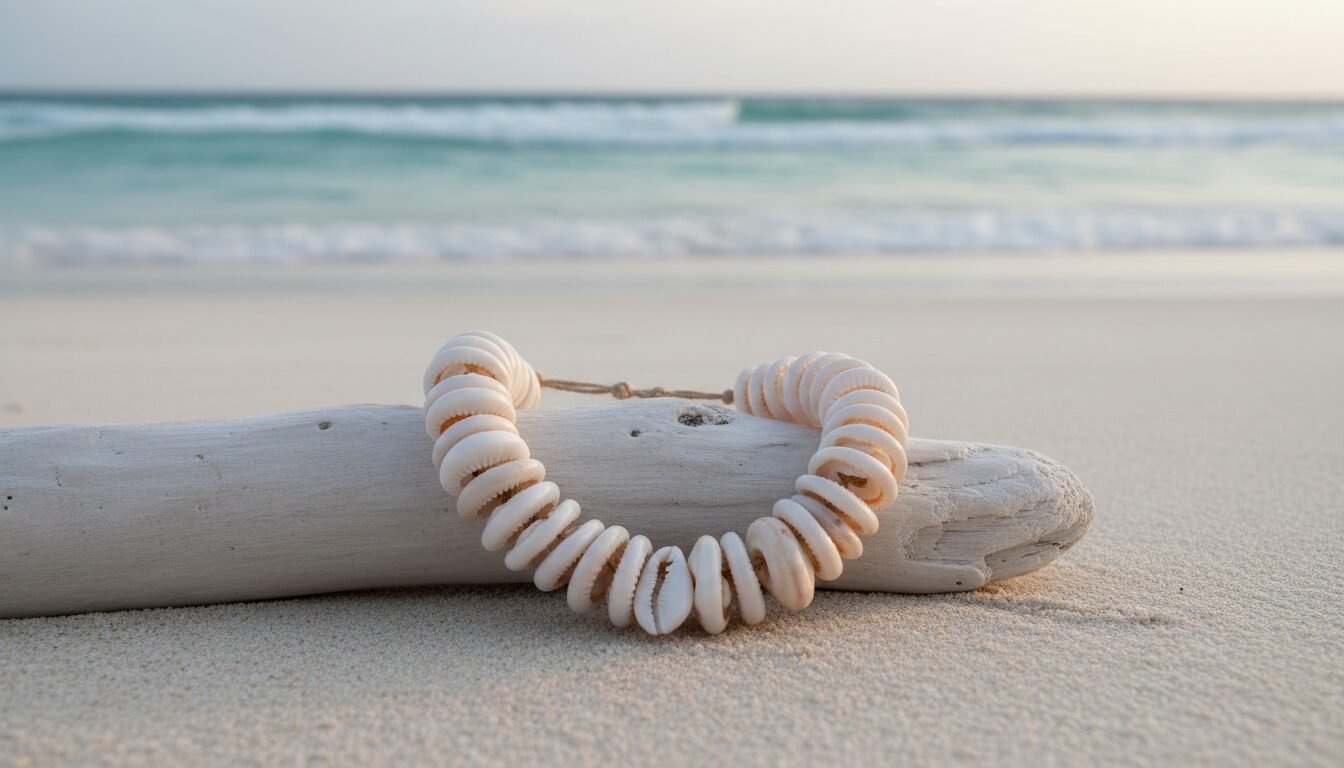
A puka shell necklace is a casual beach accessory crafted from naturally holed shell beads that originated in Hawaii and became iconic through surf culture. These organic treasures capture the essence of ocean-worn beauty , each bead tells a story of waves, time, and the Pacific’s gentle tumbling.
Definition and Origin
Picture this: you’re walking along a Hawaiian beach at sunrise, and you spot these perfectly imperfect little shells scattered in the sand. That’s where the magic begins. A puka shell necklace features bead-like shells with natural holes, allowing them to be strung into jewelry that feels like wearing a piece of the ocean itself. The term “puka” is the Hawaiian word for “hole,” describing the perforation that forms through natural wear. According to Wikipedia, puka shells are the beach-worn apex of cone snails, primarily found on Hawaiian beaches. This natural formation makes each shell unique, with slight variations in shape, color, and size , like fingerprints from the sea.
How Puka Shells Are Formed Naturally
The cone snail’s shell starts as a spiral-shaped home, closed at the tip. After the snail passes, the empty shell becomes the ocean’s plaything , tumbled by waves over months or even years. This gentle but persistent action breaks off the apical whorls, leaving behind a small, rounded fragment with that signature hole. The result? Shells that are smooth and organic in appearance, each one softened by countless tides. Because of the time and specific conditions required, genuine natural puka shells are relatively scarce today , making authentic pieces all the more special.
The Meaning Behind the Name
In Hawaiian culture, the word puka directly translates to “hole” or “opening.” The name stuck because these naturally pierced shells were perfect for stringing into leis, anklets, and necklaces , no drilling required. Over time, “puka shell necklace” became the standard term for any jewelry made with these distinctive beads, whether authentic or imitation. It’s a name that carries the warmth of the islands and the simplicity of ocean treasures.
The History of Puka Shell Necklaces
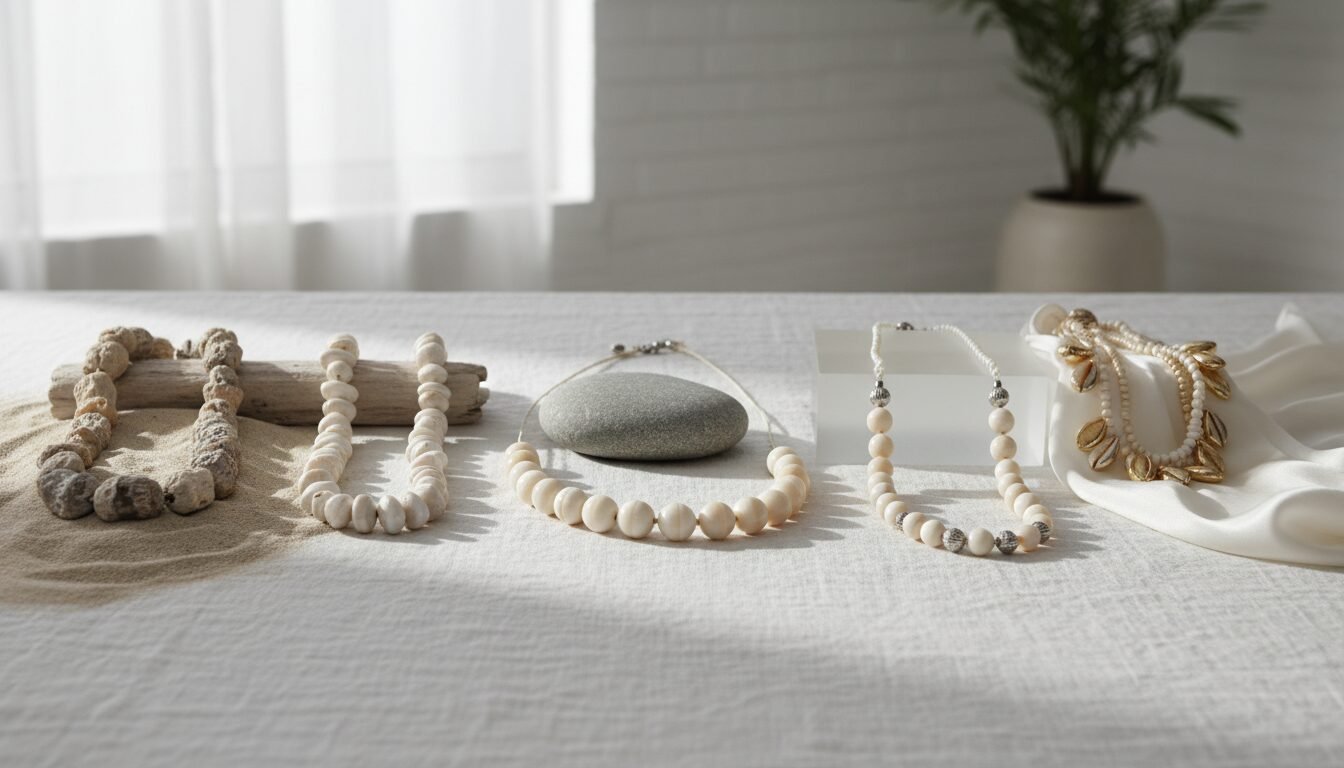
These beach beauties have a rich story spanning centuries , from royal Hawaiian traditions to global fashion moments that defined entire decades. Their evolution reflects the intersection of island culture, tourism, and that irresistible pull of coastal living.
Royal Hawaiian Beginnings
Long before they graced California beaches, puka shells held sacred meaning in Hawaiian culture. Historical accounts indicate that native Hawaiians crafted jewelry from these shells centuries before Western contact. These beads were highly valued and often strung into lei pūpū puka , shell leis that were gifted to foreign dignitaries by Hawaiian royalty. The natural hole made them ideal for stringing, and they were cherished as symbols of the ocean’s beauty and the islands’ generous spirit.
Tourism and the 1960s Boom
After Hawaii became the 50th U.S. state in 1959, tourism exploded like a perfect wave breaking on Waikiki. These necklaces became the ultimate souvenir , sold by beach vendors and local crafters who understood their appeal. Their low cost and effortless beachy vibe made them a must-have accessory for visitors wanting to take a piece of paradise home. By the mid-1960s, they were as ubiquitous on Waikiki Beach as surfboards and mai tais.
1970s Celebrity Endorsement and 1990s Surf Culture
The 1970s elevated these humble shells to Hollywood glamour when celebrities like Elizabeth Taylor were photographed wearing them. Suddenly, prices soared as demand for authentic, finely crafted leis grew among the fashion elite. Then came the 1990s , and with it, a second wave of popularity in Southern California surf culture. Surfers and beachgoers adopted them as a laid-back emblem of coastal living, pairing them with board shorts and sun-bleached hair. This resurgence cemented their status as a timeless summer staple that transcends trends.
Natural vs. Imitation Puka Shells
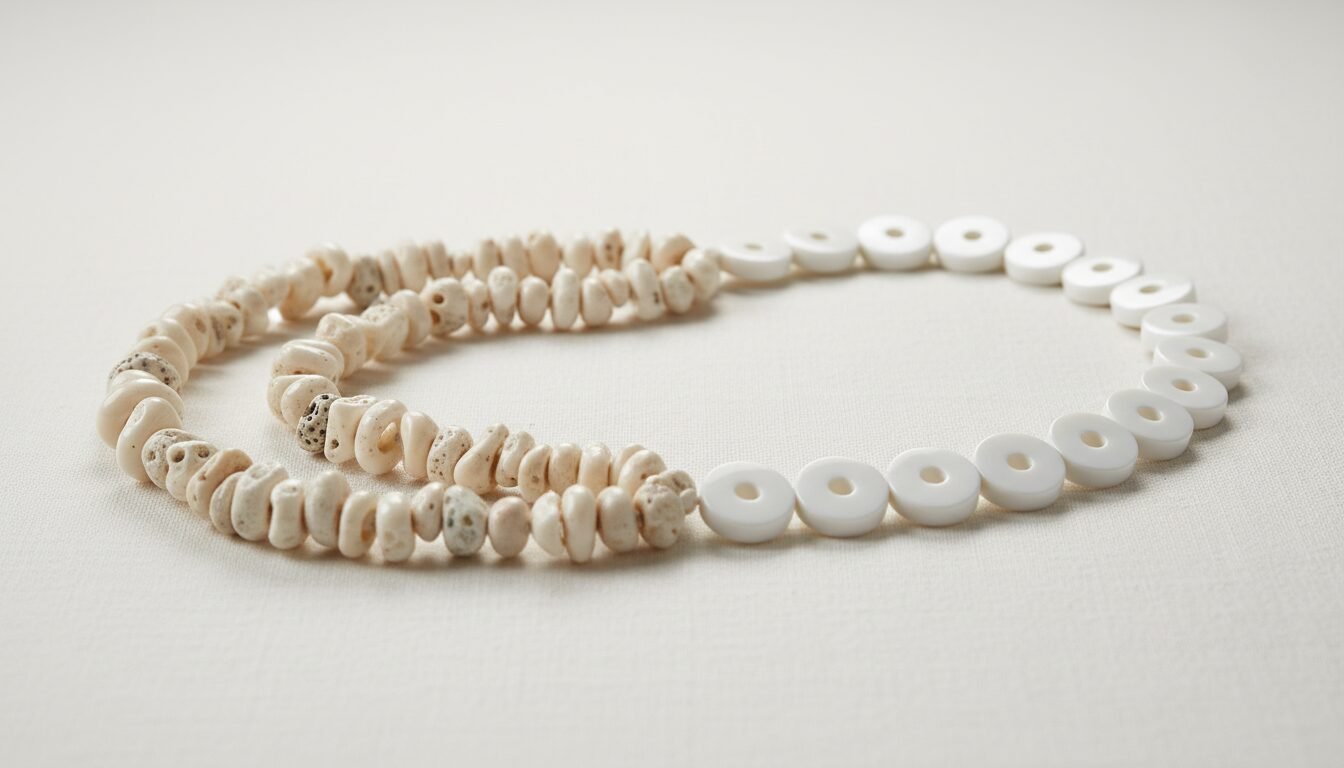
Understanding the difference between natural and imitation versions is essential for anyone seeking authentic ocean treasures. While both are widely available, only one carries the genuine story of Hawaiian waves and time.
| Feature | Natural Puka Shells | Imitation Puka Shells |
|---|---|---|
| Origin | Hawaiian cone snail apex, naturally tumbled by waves | Cut from other shells, plastic, or synthetic materials |
| Hole | Natural, irregular perforation | Drilled or molded hole |
| Texture | Smooth but uneven, with natural pitting | Often overly uniform or artificially polished |
| Color | Whites, creams, subtle beige tones | Can be pure white, dyed, or perfectly uniform |
| Price Range | $15–$30+ (vintage or authentic) | $10–$20 |
Characteristics of Natural Puka Shells
Authentic pieces are one-of-a-kind treasures that tell their own stories. They exhibit slight asymmetries, soft edges, and color variations ranging from off-white to pale tan , like beach glass that’s been kissed by salt air. The hole is never perfectly round; it follows the natural break pattern of the shell’s spire. Because each piece is formed by the ocean’s patient artistry, no two are exactly alike. Run your fingers over them, and you’ll feel the subtle imperfections that only nature can create.
Common Imitation Materials
Most contemporary versions aren’t made from cone snails at all. Manufacturers commonly use chips from other seashells, coconut shell, bone, or even plastic to recreate the look. Some producers cut and tumble whole cone shells artificially to mimic that worn appearance. According to the puka shell Wikipedia page, many beads today are shaped by machine and then tumbled to simulate natural smoothing , clever, but lacking that authentic ocean story.
How to Spot Authentic Pieces
When shopping, look for irregular shapes and subtle color shifts that speak to their ocean origins. Real puka shells feel lighter and less dense than stone or plastic imitations. A quick test is to examine the hole under magnification , natural holes have jagged, organic edges, while artificial ones look clean and round. Vintage necklaces from the 1970s are more likely to be authentic, though they may command higher prices for their genuine provenance.
Styling Puka Shell Necklaces for 2026
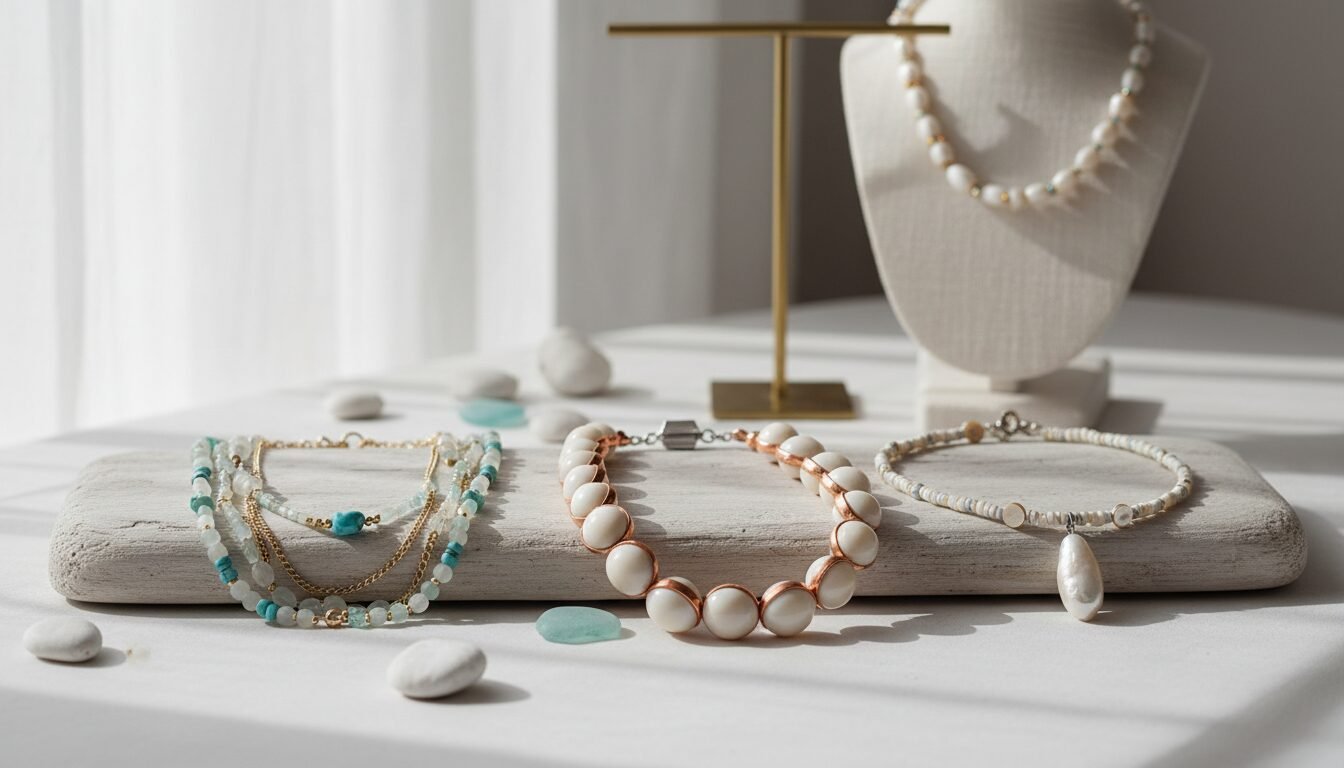
These versatile beauties have evolved far beyond their surfer roots and now work magic in both casual and elevated looks. This season’s trends celebrate layering, mixed materials, and that effortless Mediterranean elegance we all crave.
Casual Beach Looks
For a classic ensemble that whispers “just back from Santorini,” pair a single-strand piece with a crisp linen button-down and flowing white shorts. The natural texture of the shells complements breathable fabrics like cotton and crochet beautifully. Add woven sandals and a wide-brimmed straw hat for an effortless resort vibe that works equally well poolside or at a seaside café. This look captures that coveted balance of polished and relaxed , perfect for those golden hour dinners overlooking the water.
Elevating with Layered Necklaces
Layering is having a major moment in 2026, and these shells play beautifully with other pieces. Combine a short choker-style strand with longer gold or silver chains for a boho-chic effect that feels both current and timeless. Mix shell sizes , try chunky chip beads with a delicate round strand , to create visual dimension. The organic feel adds warmth and makes metallic accents pop against your décolletage. Think of it as bringing a touch of the Aegean to your everyday wardrobe.
Puka Shells for Men’s Fashion
Men’s jewelry continues to embrace natural materials, and these shells offer the perfect entry point. A single leather cord with a few shells makes a minimalist statement that’s confident without being flashy. For those channeling 90s surfer nostalgia, a full strand can anchor a relaxed, vacation-ready outfit. Pair with neutral tones like olive, beige, or navy for a cohesive look that feels authentically coastal , not costume-y.
DIY Puka Shell Necklace: Step-by-Step Guide
Creating your own piece is a delightful afternoon project that requires minimal tools but delivers maximum satisfaction. Inspired by tutorials like the one from tamagems on YouTube, this method uses ribbon for a soft, adjustable fit that’s as comfortable as it is beautiful.
Gathering Materials
You will need:
- 20–30 shell beads (natural or imitation)
- 1/4-inch wide satin or velvet ribbon, about 24 inches long
- Small accent beads (optional)
- Scissors
- Needle and thread or clear jewelry elastic
Step-by-Step Assembly
Step 1: Cut the ribbon to your desired length, allowing extra for tying. If you prefer a permanent closure, attach a jump ring and clasp to one end.
Step 2: Thread the shells onto the ribbon, alternating with accent beads if desired. For a balanced look, arrange shells in order of size, with larger pieces in the front center.
Step 3: Once all beads are strung, tie the ends securely. For a ribbon choker, simply tie a bow at the back; for a longer necklace, use a slipknot so the length is adjustable.
Step 4: Trim any excess cord and add a dot of clear nail polish to the knot to prevent fraying.
Customizing Your Design
Experiment with different ribbon colors , soft pink for a feminine touch, black for an edgy contrast. Incorporate small charms like tiny seashells or starfish for extra personality. This DIY approach lets you create a piece that perfectly matches your summer wardrobe and captures your own coastal story.
Where to Buy Puka Shell Necklaces
Whether you want a ready-made piece or materials for your own creation, several reliable sources offer quality options and authentic materials. The key is knowing where to look for the real treasures.
Online Retailers and Marketplaces
Large platforms like Etsy feature handmade and vintage options, often with detailed descriptions of shell authenticity and provenance. Amazon carries a wide range from brands like Fablinks, though quality can vary significantly. For those seeking wholesale options, Cool Jewels offers bulk jewelry for beach boutiques and souvenir shops.
Specialty Beach Jewelry Brands
Florida-based Charming Shark, family-owned since 1984, specializes in these necklaces with prices ranging from $14.99 to $19.99. Their collection includes smooth round and chip styles, reflecting a sun-travel inspired aesthetic that feels authentic. Free shipping applies on orders over $35. Another niche retailer is SaltyCali, which offers gold-dipped statement pieces for those wanting elevated coastal glamour.
What to Look for When Buying
Examine product descriptions for material details , phrases like “genuine cone shell” or “natural” are promising signs, but don’t hesitate to ask sellers for clarification. Check customer reviews for color accuracy and durability insights. A standard length is 18 inches, but adjustable cords offer more flexibility for layering and personal comfort.
Caring for Your Puka Shell Jewelry
Proper care keeps your pieces looking fresh and prevents damage to these delicate ocean treasures. Shells are organic materials that need gentle handling to maintain their natural beauty.
Cleaning and Maintenance
Wipe shells with a soft, damp cloth to remove salt residue and body oils that can dull their natural luster. Avoid soaking the necklace, as prolonged exposure to water can weaken cord or cause discoloration. For stubborn grime, use a mild soap solution and a soft brush, then rinse quickly and pat dry with a clean towel.
Storage Tips to Prevent Damage
Store your necklace flat or hang it to avoid tangling and stress on the stringing material. Keep it away from direct sunlight, which can fade colors and make shells brittle over time. A fabric-lined jewelry box or a small silk pouch works beautifully. Separate pieces from metal jewelry to prevent scratching those smooth, ocean-worn surfaces.
Avoiding Common Mistakes
Never use harsh chemicals like bleach or commercial jewelry cleaner , they can erode the surface and destroy the natural patina. Remove your necklace before swimming, showering, or applying sunscreen, as chemicals and salt can degrade both shells and stringing material. With basic care and respect for their organic nature, a high-quality piece can last for years, becoming more beautiful with age.
Frequently Asked Questions
Are puka shell necklaces still in style for 2026?
Absolutely , these necklaces remain a beloved accessory, especially in summer and resort fashion. Their natural, bohemian appeal aligns perfectly with current trends in organic jewelry and layered styling that celebrates authentic materials.
What is the difference between natural and imitation puka shells?
Natural shells are formed by ocean tumbling of cone snail shells, creating irregular holes and soft edges with unique character. Imitation shells are often cut from other shells or synthetic materials and have uniform, drilled holes that lack that organic story.
How can I make my own puka shell necklace?
You can create one easily by stringing shell beads onto a ribbon or cord, adding accent beads for personality, and tying the ends for an adjustable fit. The process takes under 30 minutes and requires no special tools.
Where can I buy authentic puka shell necklaces?
Authentic pieces are available from specialty beach jewelry brands like Charming Shark, vintage sellers on eBay or Etsy, and some Hawaiian tourist shops. Always check for signs of natural formation and ask about provenance.
Do puka shell necklaces have cultural significance?
Yes, in Hawaiian culture, these shells were used to make lei pūpū puka, given as gifts by royalty to honor guests. They symbolize the ocean’s beauty and were worn on special occasions, carrying deep cultural meaning beyond fashion.
How do I clean my puka shell necklace?
Clean gently with a damp cloth and mild soap if needed, avoiding soaking or harsh chemicals. Store in a dry, shaded place to maintain the shells’ natural luster and prevent damage to the organic materials.
Final Thoughts on Puka Shell Necklaces
A puka shell necklace is more than simple jewelry , it’s a bridge between ancient Hawaiian tradition and modern coastal style, a tangible piece of ocean poetry you can wear. Whether you choose a vintage natural-shell strand, a chic imitation, or a handmade DIY design, this accessory captures the spirit of sun, surf, and effortless elegance. As 2026 fashion embraces organic textures and layered looks, these timeless pieces remain your go-to choice for adding a touch of the Mediterranean to any outfit. Shop the collection at lexazi.com , free shipping on orders over $75.