Key Takeaways
- Pearl a necklace means creating a timeless strand that moves from beach to dinner effortlessly , the ultimate resort jewelry investment.
- Pearls are nature’s only gemstone, formed by living mollusks, making each piece as unique as your travel memories.
- Four main types , Akoya, freshwater, Tahitian, and South Sea , offer different lusters and price points, from under $100 to investment pieces over $5,000.
- The AAA–AAAA grading system evaluates luster, surface quality, and shape, with AAAA representing the crème de la crème of any harvest.
- Reputable sources like The Pearl Source and established jewelers provide certified pearls with generous return policies for confident online shopping.
Pearl a necklace is the art of selecting lustrous pearls and stringing them into jewelry that transcends seasons and destinations. These ocean-born gems embody effortless elegance.
What Makes Pearl Necklaces So Special?
Nature’s Only Living Gemstone
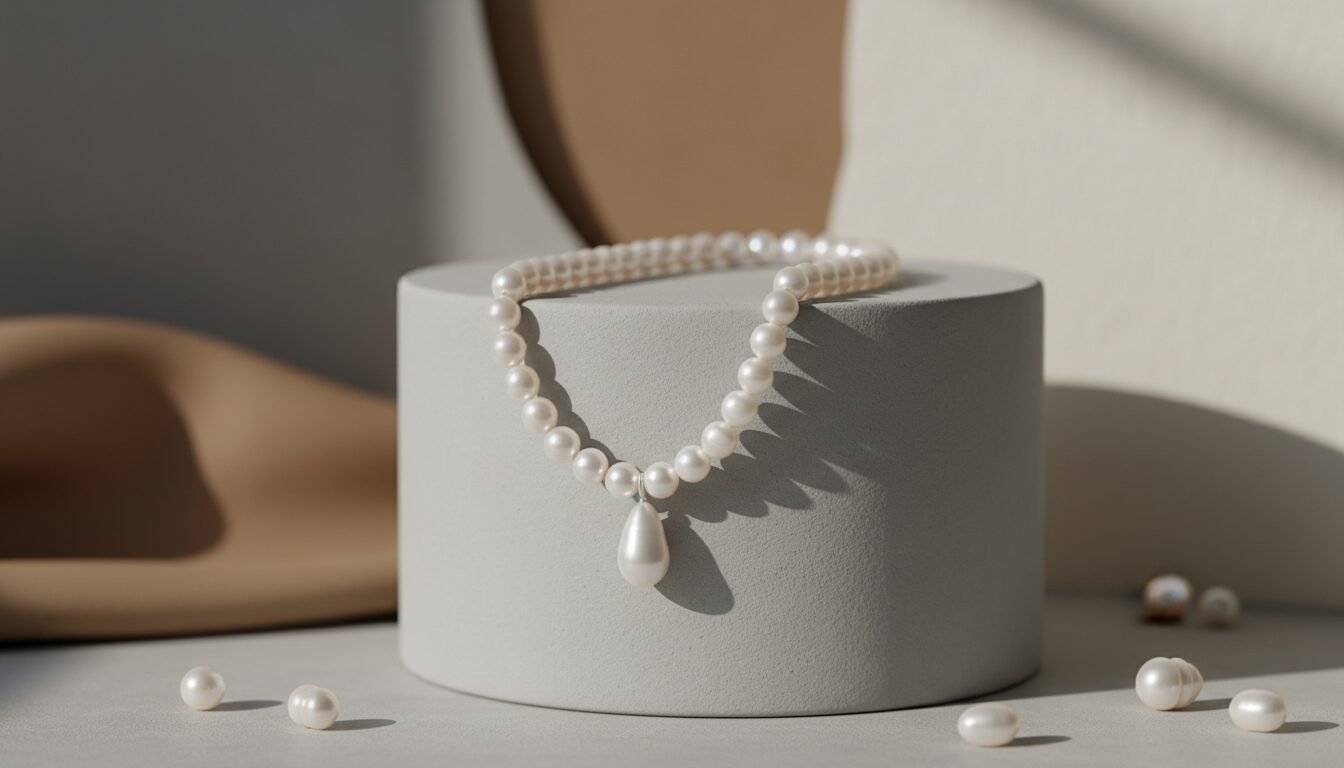
Pearls are the only gemstones created by living creatures , oysters and mussels that transform irritants into luminous treasures. According to the Gemological Institute of America, this biological process creates layers of nacre over years, resulting in that signature glow no mined stone can replicate. It’s why a pearl necklace feels so alive against your skin , each gem carries the ocean’s energy.
Cultured vs. Natural: The Modern Reality
Nearly every pearl necklace today features cultured pearls, pioneered by Kokichi Mikimoto in 1893. Natural pearls are museum-rare, with strands commanding hundreds of thousands. Cultured pearls offer the same iridescent beauty through careful cultivation , when you pearl a necklace with these gems, you’re getting oceanic luxury at accessible prices. The process involves inserting a nucleus to jumpstart nacre formation, creating consistent quality that natural pearls rarely achieve.
Types of Pearl Necklaces for Every Style
Akoya Pearls: The Classic Choice
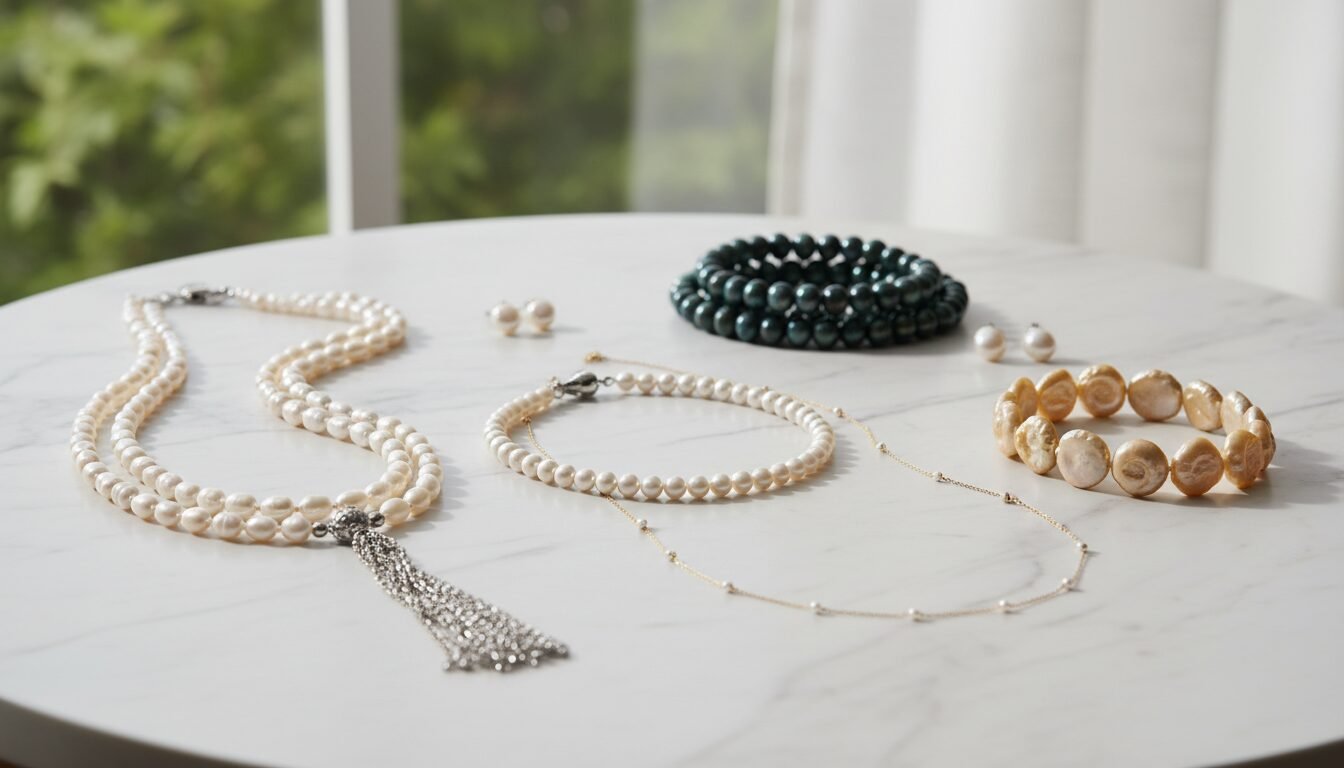
Japanese Akoya pearls deliver that mirror-sharp luster you see in vintage Hollywood films. Typically 6–8.5mm, these perfectly round gems create the quintessential pearl necklace , think Grace Kelly in Monaco. An 18-inch Akoya strand contains roughly 45–50 pearls, each reflecting light like captured moonbeams. Premium Mikimoto strands with 18K gold clasps often exceed $1,000, positioning these as investment pieces that age beautifully.
Freshwater Pearls: Colorful and Accessible
Freshwater pearls, primarily cultivated in China, offer the most variety when you pearl a necklace on any budget. Available in white, pink, lavender, and peachy tones, they’re perfect for layering or wearing solo. A quality 7.0–7.5mm white freshwater strand typically costs $150–$300, making them ideal for everyday elegance. Their slightly baroque shapes add organic charm , no two strands look identical.
Tahitian and South Sea: Statement Makers
For dramatic impact, Tahitian pearls bring natural dark hues with peacock overtones that shift from green to purple in candlelight. South Sea pearls grow much larger (9–20mm) with a satiny luster that photographs beautifully. These exotic varieties transform any outfit from simple to sophisticated , when you pearl a necklace with Tahitians or South Seas, you’re creating a conversation piece that commands attention at sunset dinners and gallery openings.
| Pearl Type | Typical Size (mm) | Luster Quality | Popular Colors | Price Range |
|---|---|---|---|---|
| Akoya | 6.0–8.5 | Sharp, mirror-like | White, cream, rosé | $500–$3,000+ |
| Freshwater | 4.0–12.0 | Soft to bright | White, pink, lavender | $60–$600 |
| Tahitian | 8.0–16.0 | Satiny, metallic | Black, gray, peacock | $600–$10,000+ |
| South Sea | 9.0–20.0 | Luminous, creamy | White, golden | $1,500–$15,000+ |
Understanding Pearl Quality and Grading
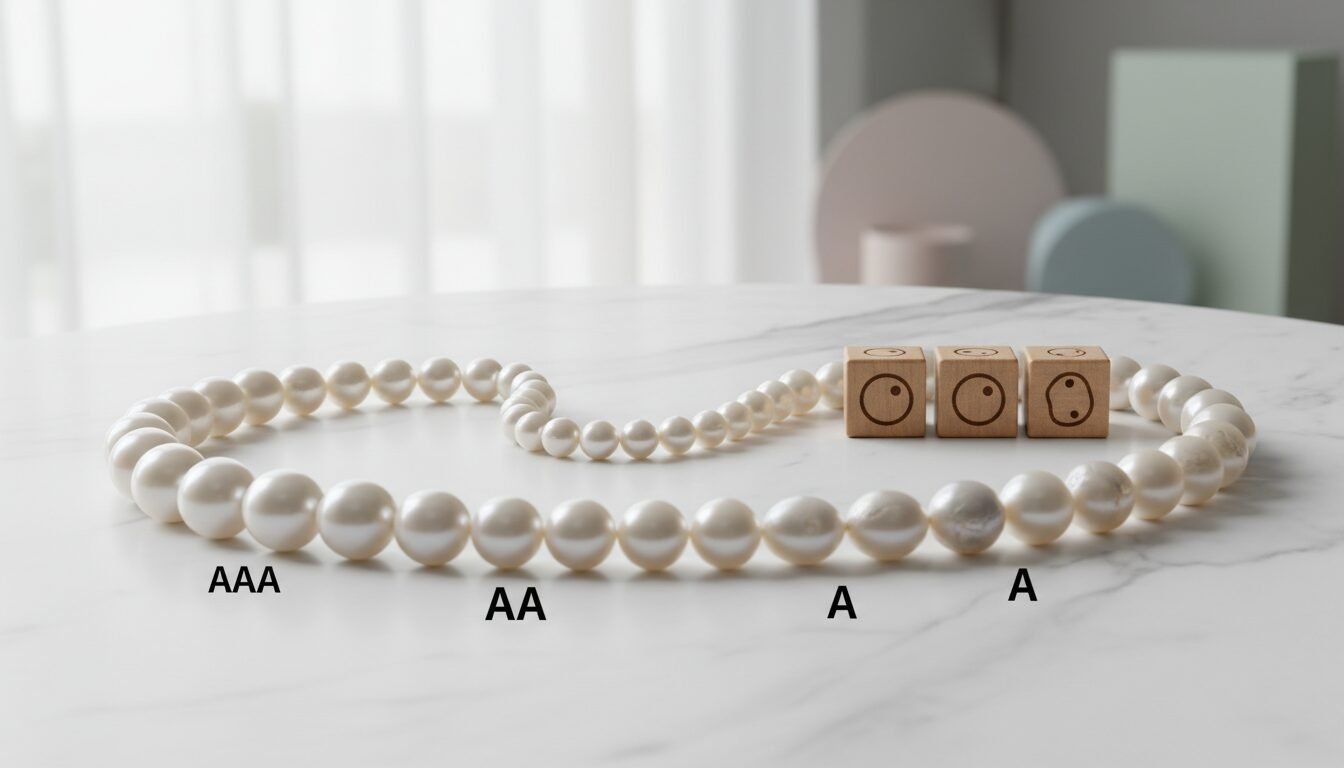
The AAA–AAAA Quality Scale
Pearl grading uses an A–AAAA system, with AAAA representing the top 1% of any harvest , virtually flawless surface with mirror-like luster. AAA pearls offer excellent quality with at least 95% blemish-free surfaces and very round shapes, perfect for most jewelry collections. AA+ and AA grades provide more accessible options with good luster but minor surface variations. When you pearl a necklace, understanding these grades helps you invest wisely based on your budget and wearing frequency.
Five Factors That Determine Value
Luster tops the list , that deep glow from within separates fine pearls from mediocre ones. Surface quality follows, with fewer blemishes commanding higher prices. Shape matters too, with perfectly round pearls being most prized, though baroque shapes offer unique character. Color influences desirability based on current trends, while size dramatically affects cost , a 9.5mm pearl typically costs 2–3 times more than a 7mm pearl of identical quality.
How to Choose Your Perfect Pearl Necklace
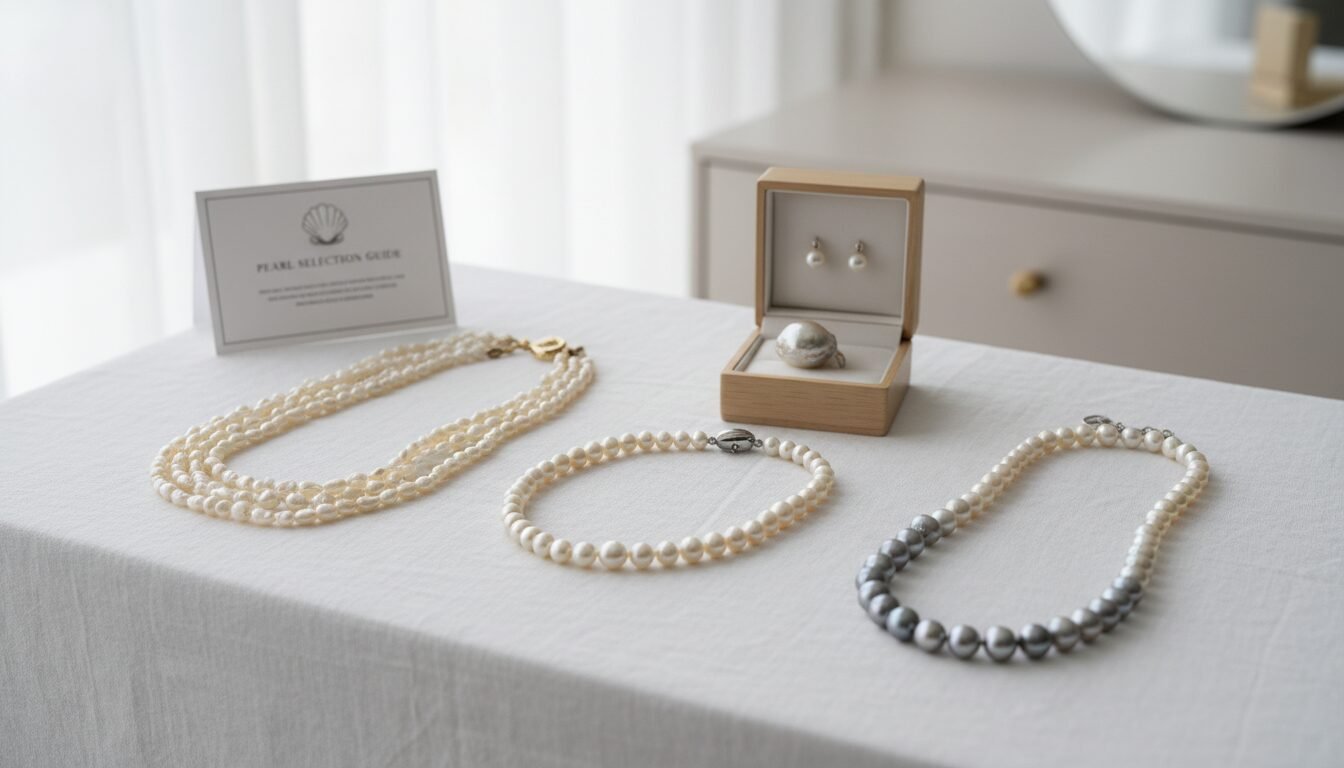
Length and Proportion Guidelines
The right length flatters your neckline and personal style. A 16-inch choker sits high on the neck, perfect with strapless dresses or open collars. The classic 18-inch princess length works with virtually everything , when you pearl a necklace for versatility, this is your go-to. Matinee length (22 inches) drapes elegantly over blouses, while opera length (36+ inches) can be doubled for layered looks or worn long for dramatic evening wear.
Clasp and Metal Considerations
The clasp is both functional art and quality indicator. Filigree or fishhook clasps in 14K or 18K gold signal premium construction, while sterling silver barrel clasps offer durability at lower price points. Some designers, like Tiffany’s Elsa Peretti, use delicate chains that let single pearls float gracefully. Consider your lifestyle , frequent travelers might prefer secure box clasps, while occasional wearers can enjoy decorative options.
Caring for Your Pearl Investment
Daily Care and Storage
Pearls are surprisingly delicate , rating only 2.5–4.5 on the Mohs hardness scale. After each wear, gently wipe your necklace with a soft, damp cloth to remove body oils and perfume residue. Never use ultrasonic cleaners or harsh chemicals that can damage nacre. Store strands flat in fabric-lined pouches, away from harder gemstones that might scratch. When you pearl a necklace with premium Akoyas or South Seas, proper care preserves their luster for generations.
Professional Maintenance
Silk threads stretch and weaken with wear, especially in humid climates. Most jewelers recommend restringing every 1–2 years for frequently worn pieces. Watch for loose knots between pearls or visible thread , these are signs it’s time for professional attention. Quality strands use double-knotted silk to prevent pearl loss if the thread breaks, but regular maintenance keeps your investment secure.
The Cultural Legacy of Pearl Necklaces
From Ancient Royalty to Modern Icons
Pearl necklaces have adorned powerful women throughout history , from Cleopatra’s legendary pearl dissolved in vinegar to demonstrate wealth, to modern style icons like Audrey Hepburn and Michelle Obama. In ancient China, pearls were imperial tributes; in Rome, they signified ultimate luxury. When you pearl a necklace today, you’re joining this lineage of women who understand that true elegance transcends trends.
Symbolism and Tradition
Pearls represent wisdom gained through experience , fitting for June’s birthstone and the traditional 30th anniversary gem. The Add-A-Pearl tradition, started in 1915, encourages adding pearls to mark life’s milestones, transforming a simple strand into a personal chronicle. Many families pass pearl necklaces through generations, each woman adding her own story to the lustrous legacy.
Where to Shop for Quality Pearls in 2026
Online Specialists vs. Traditional Jewelers
Online pearl specialists like The Pearl Source offer competitive pricing with detailed quality information and generous return policies. Traditional jewelers provide in-person consultations but may have higher markups. When you pearl a necklace online, look for certifications , Hanadama certificates for top Akoya pearls or detailed grading reports. Many online retailers offer free shipping on orders over $350 and 30-day return windows for confident purchasing.
Luxury Heritage vs. Accessible Quality
Iconic brands like Mikimoto and Tiffany & Co. command premium prices for their storied heritage and impeccable quality. However, newer direct-to-consumer brands offer excellent value without the luxury markup. For resort-inspired pearl jewelry that captures that Mediterranean vacation feeling year-round, consider brands that specialize in effortless elegance at accessible price points.
Frequently Asked Questions
What is the only gemstone to come from a living creature?
Pearls are the sole gemstones formed by living organisms , specifically mollusks like oysters and mussels. This biological origin creates their unique iridescence and makes every pearl genuinely one-of-a-kind, unlike any mined gemstone.
How can I tell if a pearl necklace is real?
Gently rub two pearls together , real pearls feel slightly gritty due to natural nacre layers, while fake pearls glide smoothly. Also examine drill holes for clean, smooth edges; imitation pearls often have rough or painted holes that reveal their artificial nature.
What’s the best pearl type for a first necklace?
Freshwater pearls offer exceptional value for beginners. A 7.0–7.5mm AAA freshwater strand costs $150–$300 and provides beautiful luster with color variety, making it perfect when you first pearl a necklace without a major investment.
How often should I restring my pearl necklace?
Restring every 1–2 years with regular wear, or sooner if silk threads appear stretched or discolored. Knots between pearls should be tight and thread shouldn’t be visible , loose knots signal it’s time for professional attention.
Are all Akoya pearls white?
Classic Akoya pearls are white or cream with rosé overtones, though they can be treated for silvery-blue luster. Naturally colored black or golden Akoya pearls are extremely rare , most dark or golden Akoyas are dyed or treated.
What does the clasp tell me about necklace quality?
High-end pearl necklaces feature 14K or 18K gold clasps with proper karat stamps. Silver or base metal clasps typically indicate budget strands. A quality clasp not only secures your pearls but also enhances the overall value and longevity of the piece.
When you pearl a necklace, you’re choosing more than jewelry , you’re selecting a piece that moves seamlessly from morning coffee to candlelit dinners, from beach walks to art gallery openings. Whether you choose classic Akoyas, colorful freshwater gems, or dramatic Tahitians, the right pearl necklace becomes part of your signature style, aging beautifully alongside your own life’s adventures.
Shop the collection at lexazi.com , free shipping on orders over $75.