Necklace in Spanish is most commonly translated as “collar,” a masculine noun used across every Spanish-speaking country. Regional words like “gargantilla,” “cadena,” and “chaquira” add texture depending on style and location.
Key Takeaways
- Necklace in Spanish is primarily collar across all Spanish-speaking countries.
- Regional alternatives include gargantilla (choker), cadena (chain), and cadenilla (fine chain).
- Knowing these terms makes shopping for vacation jewelry in Spain and Latin America so much easier.
- Pronunciation: /koˈʝaɾ/ in most regions, or /koˈʎaɾ/ in north-central Spain.
- Explore our resort wear necklace collection inspired by Mediterranean style and Spanish craftsmanship.
The Most Common Translation for Necklace in Spanish
Collar: The Universal Word for Necklace
Collar is the standard word for necklace across the entire Spanish-speaking world. Whether you’re browsing a boutique in Barcelona or a market stall in Mexico City, asking for “un collar” will always be understood. According to SpanishDict, collar is the top translation for the term, appearing in thousands of example sentences and reflecting how central it is to everyday conversation. The site also notes that hundreds of learners search this word every day, a sign of just how practical it is for travelers and language students alike.
Collar is a masculine noun, so it pairs with masculine articles like “el” or “un.” You’d say “El collar es de oro” (The necklace is gold). When you’re trying to say necklace in Spanish, collar is your safest bet. It works in formal writing, casual chatter, and everything between.
Pronunciation and Phonetics of Collar
Pronouncing “collar” correctly instantly makes you sound more fluent. The IPA transcription is /koˈʝaɾ/ in most dialects, where the double “l” sounds like the “y” in “yes.” In parts of north-central Spain, you’ll hear /koˈʎaɾ/ instead, with a softer “ly” sound. Stress falls on the second syllable, so it reads as “co-YAR” or “co-LYAR.” Locals notice the effort, especially if you’re chatting up a vendor while shopping for a necklace in a Spanish-speaking boutique.
Grammatical Gender and Article Agreement
Collar is masculine, full stop. That means you’ll always pair it with “el” (the) or “un” (a): “el collar,” “un collar de perlas” (a pearl necklace). A classic beginner mistake is saying “la collar,” which sounds off to native ears. Getting the gender right is step one toward mastering this vocabulary. Adjectives need to match too: “un collar bonito” (a pretty necklace), never “bonita.”
How to Say Necklace in Spanish: Regional Variations
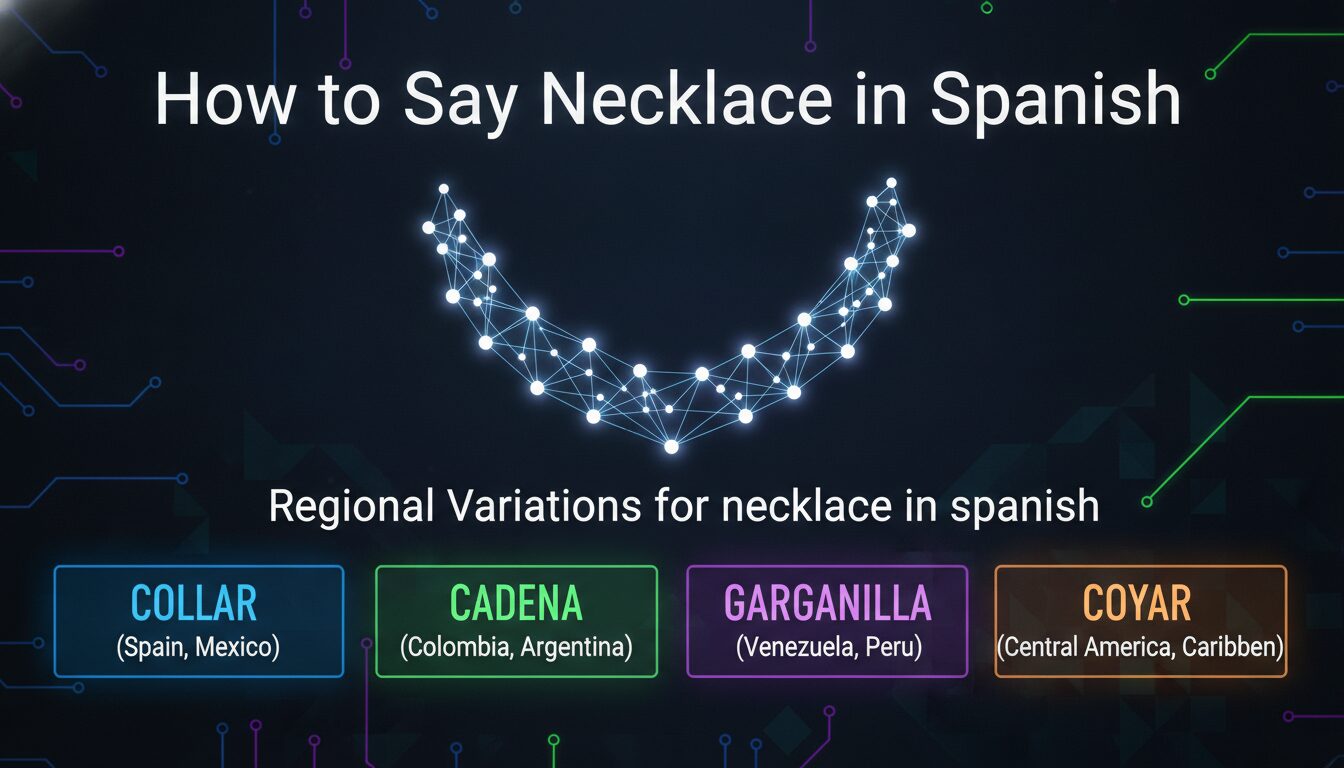
Necklace in Spanish Mexico
In Mexico, the word for necklace is overwhelmingly “collar.” You’ll also hear gargantilla for a choker-style necklace sitting high on the neck. Traditional Mexican jewelry often features beaded necklaces called chaquiras, a term rooted in Nahuatl. The language app Drops confirms “el collar” as the standard Mexican Spanish translation, though knowing gargantilla and chaquiras gives you real insight into local style. When shopping resort wear in Cancún or Puerto Vallarta, ask for “un collar de plata” (silver necklace) or “una gargantilla de oro” (gold choker).
Necklace in Spanish Colombia and the Caribbean
In Colombia, collar remains standard, but gargantilla is common for short, fitted necklaces, especially ones with delicate pendants. Caribbean Spanish brings even more variety: in the Dominican Republic, you might hear colier, a French-derived word for a fancy necklace, or cadenilla for a thin chain. Puerto Ricans often use cadena for a chain necklace, particularly gold links. Tureng’s dictionary notes “colier” as a Dominican regionalism, while cadena and cadenilla show up widely across Central America and the Caribbean. Standing on a beach in Punta Cana or wandering Old San Juan, these words help you pinpoint exactly the necklace style you’re after.
Necklace in Spanish Venezuela and Other Regions
Venezuela, like most of Latin America, defaults to collar. Along the coast, though, gargantilla is preferred for chokers. In Spain, gargantilla shows up constantly, especially in Andalusian fashion, where elaborate chokers complete flamenco dresses. This variety across 21 Spanish-speaking countries is part of what makes the language so rich. Here’s a quick reference table to help you navigate the regional differences:
| Spanish Term | English Equivalent | Region/Country | Example |
|---|---|---|---|
| Collar | Necklace | All Spanish-speaking countries | “Ella lleva un collar de oro.” |
| Gargantilla | Choker | Spain, Mexico, Colombia, Argentina | “Me compré una gargantilla de plata.” |
| Cadenilla | Fine chain | Caribbean, Central America | “El collar es una cadenilla muy delicada.” |
| Cadena | Chain | Puerto Rico, Dominican Republic | “Perdí mi cadena de oro en la playa.” |
| Colgante | Pendant necklace | España, Latin America | “Busco un colgante con una cruz.” |
| Chaquira | Beaded necklace | Andean regions, Mexico, Central America | “Las artesanías venden collares de chaquiras.” |
Beyond Collar: Exploring Synonyms and Related Terms
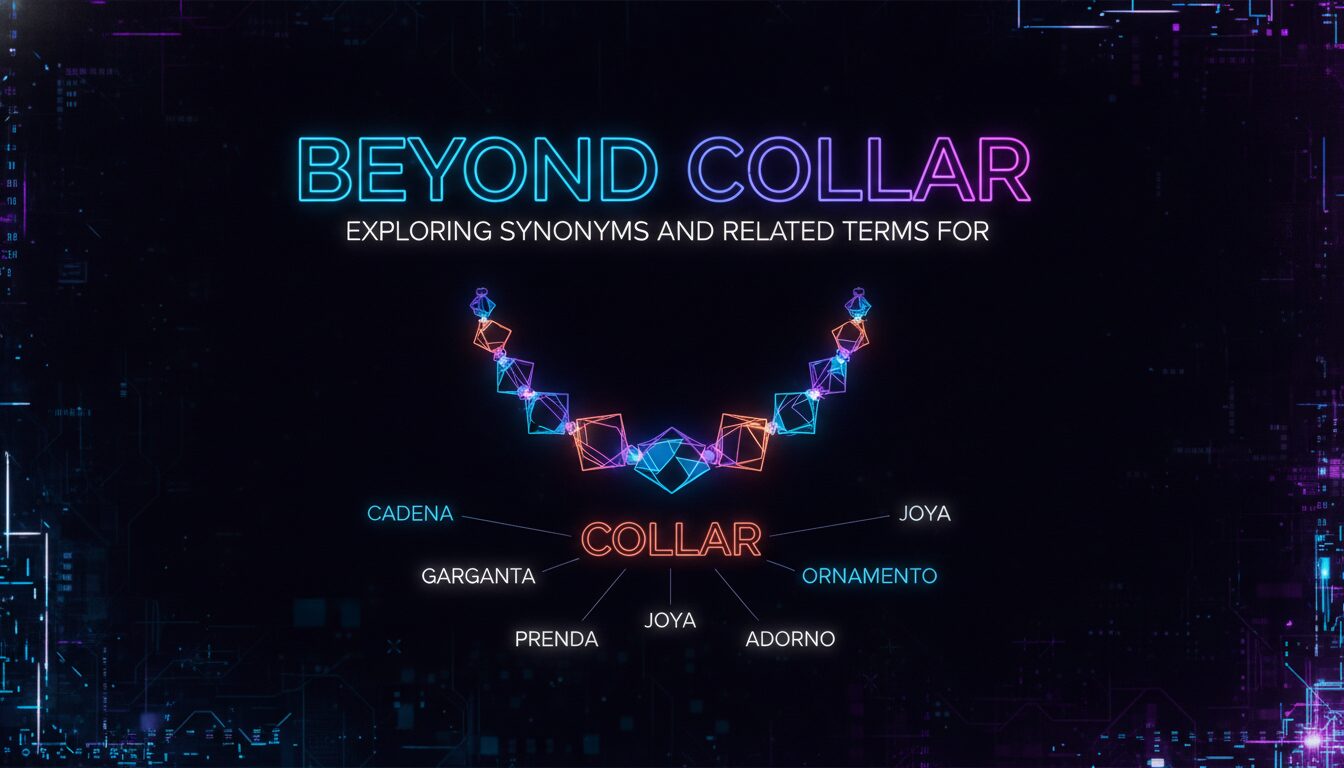
Gargantilla: The Choker Necklace
Gargantilla is simply the word for a choker, and it’s essential vocabulary if you love resort fashion. The word literally translates to “little throat,” a fitting description for a necklace that hugs the neck closely. Tureng lists gargantilla as the second most common Spanish translation for necklace, showing up across 16 different dictionary entries. When packing for a summer trip to Ibiza or the Costa del Sol, a linen dress paired with a gargantilla de perlas (pearl choker) or a gargantilla de terciopelo (velvet choker) adds instant Mediterranean polish, something our LEXAZI resort collection celebrates.
Cadena and Cadenilla: Chains and Delicate Necklaces
Cadena means “chain” and often describes a gold or silver chain necklace. Say “una cadena de oro” in most Latin American countries, and everyone knows you mean a gold chain necklace. Cadenilla is the diminutive form, implying a fine, delicate chain, perfect for layering. WordReference lists both cadena and cadenilla among at least nine regional synonyms it tracks for the term, alongside several other localized words. These subtle distinctions matter when picking jewelry for a breezy vacation look: a cadenilla with a tiny shell pendant feels effortlessly chic.
Colgante, Ajorca, and More Specialized Words
Colgante refers specifically to a pendant necklace, where the hanging ornament takes center stage. You might ask for “un colgante de diamantes” at a Spanish jewelry counter. Older or rarer terms like ajorca, borrowed from Arabic, occasionally appear in historical or literary contexts. Tureng’s dictionary even catalogs 44 compound phrases involving “necklace,” everything from “pearl necklace” (collar de perlas) to “maxi necklace” (maxicollar). Learning these expanded terms means you can describe any necklace, no matter how detailed the design.
How to Describe a Necklace in Spanish
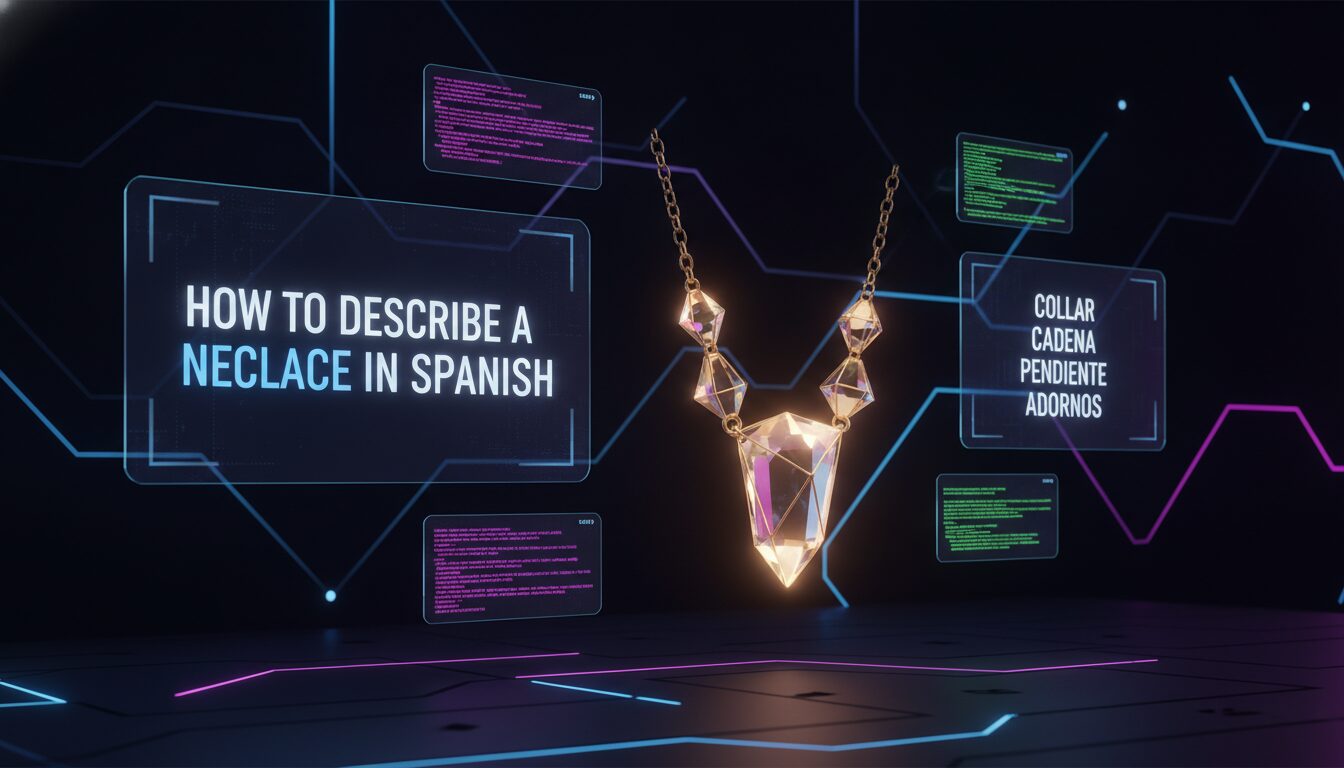
Step 1: Choose the Metal or Material
Start by naming the material. Oro is gold, plata is silver, perlas are pearls. For costume jewelry, say bisutería. A gold necklace becomes “un collar de oro”; a silver chain is “una cadena de plata.” Cambridge Dictionary classifies this vocabulary at the A2 level, meaning it’s among the first words most Spanish learners pick up. When building a vacation wardrobe, a collar de oro brings timeless polish, while bisutería offers playful, affordable variety, both available across LEXAZI’s seasonal edits.
Step 2: Identify the Length and Style
Length changes everything about how a necklace looks and feels. Collar largo is a long necklace that often reaches the décolletage; collar corto or gargantilla sits right at the collarbone. For layered, beachy looks, ask for “collares en capas” (layered necklaces). Want something bold? “Un collar llamativo” signals a statement piece. In boutiques, simply saying “Quiero un collar más largo” gets you exactly what you want.
Step 3: Add Embellishments or Pendants
Finally, get specific with details: con colgante (with pendant), con dije (with charm), con piedras (with stones). For example, “un collar de plata con colgante de turquesa” describes a silver necklace with a turquoise pendant. Charm necklaces are everywhere in resort destinations, and our LEXAZI collection features collares con dijes inspired by Mediterranean motifs. Master this three-step approach and you’ll always find the right piece, wherever you’re shopping.
Cultural Significance of Necklaces in Spanish-Speaking Countries
Traditional Necklaces in Spanish Flamenco Dress
Necklaces play a starring role in Spain’s traditional dress. Flamenco dancers wear collares de volantes (ruffled necklaces) or gargantillas de encaje (lace chokers) to accentuate every movement. Spanish jewelry houses like Tous and Aristocrazy have modernized these classic silhouettes for a global audience. The word collar traces back to the Latin “collare,” and its use has long been recognized by the Real Academia Española as the standard term across the Spanish-speaking world. Wearing a Spanish-inspired necklace connects you to centuries of craftsmanship.
“El término collar es la denominación estándar aceptada por la Real Academia Española en todos los países hispanohablantes, aunque existen numerosas variantes regionales que enriquecen el léxico joyero.” – Instituto Cervantes
Stylists often point out that a single well-chosen choker or pendant can redefine an entire resort outfit, no translation required.
Indigenous and Artisan Necklaces in Latin America
Indigenous communities across Latin America have long crafted necklaces from local materials. Chaquira beadwork, common in Mexico and Guatemala, produces vibrant, intricate patterns passed down through generations. In Ecuador, mullo necklaces made from tiny seeds or beads carry deep cultural significance. These artisan pieces often hold spiritual meaning, which makes them meaningful souvenirs rather than throwaway trinkets. Understanding the vocabulary around necklace in Spanish opens the door to appreciating these living traditions, each collar de chaquiras telling its own story of heritage.
Modern Spanish Jewelry Design and Its Influence on Fashion
Contemporary Spanish designers like UNOde50 and PdPaola blend traditional motifs with modern lines. Their statement necklaces, frequently spotted on the streets of Ibiza and Marbella, capture that easy Mediterranean glamour so many of us chase all summer. At LEXAZI, we curate pieces echoing this same Spanish flair: think bold chains, ceramic pendants, and gold-tone collares perfect for sunset dinners. Fashion industry data consistently shows Spanish-inspired jewelry trending across resort collections, proof that this vocabulary is more than a language exercise. It’s a gateway into a whole world of style.
Learning and Practicing Necklace Vocabulary in Spanish
Using Language Apps to Master Jewelry Terms
Apps like Memrise, Drops, and SpanishDict all offer dedicated vocabulary for accessories. Memrise teaches “the necklace” as “el collar” complete with native audio, while Drops places the word within a broader library covering 45 languages, reinforcing the connection through repetition. SpanishDict reports hundreds of daily learner searches for this exact word, underscoring how practical it is for real-world travel. Spend just five minutes a day with these tools and the regional terms start sticking naturally.
Practice with Authentic Spanish Content
Watch Spanish fashion vlogs, flip through magazines like Vogue España, or follow Spanish jewelry influencers online. Pay attention to how they describe pieces: “Este collar es de oro blanco,” “Me encanta esta gargantilla.” This kind of real-world exposure cements vocabulary far better than flashcards alone. Hearing these words used in their cultural context makes them second nature fast.
Create Your Own Flashcard Sets
Use Anki or Quizlet to build custom decks. Include terms like collar, gargantilla, cadena, cadenilla, colgante, and chaquira, along with example sentences. Visual learners should add photos of different necklace styles for each card. Quiz yourself before your next trip, and you’ll confidently ask for “un collar de plata con turquesas” at a market in Oaxaca.
Common Mistakes When Saying Necklace in Spanish
Gender and Article Errors
The most frequent mistake is pairing collar with the feminine article “la” instead of the correct masculine “el.” Always say el collar, never “la collar,” since that phrase doesn’t exist in standard usage. Adjectives need to agree too: “un collar bonito,” not “bonita.” Getting this right instantly shows linguistic polish.
False Friends: Necklace vs. Collar in English
English “collar” refers to the part of a shirt or an animal’s neck gear, but in Spanish, those meanings are “cuello” (neck) or “collar de perro” (dog collar). Never assume the English word maps directly onto Spanish for those items, since context changes everything. When you’re focused on jewelry specifically, stick to “collar” for necklaces only.
Using Anglicisms Instead of Native Terms
In tourist-heavy areas, you might hear people say “necklace” with a Spanish accent tacked on, but using the proper word “collar” earns better service and more genuine connection. Embrace the local terminology. It’s the key to authentic communication and to finding the best boutiques for exactly the piece you want.
Pros and Cons of Learning Regional Necklace Vocabulary
Pros
- You’ll shop with confidence in markets from Barcelona to Bogotá, asking for exactly the piece you want.
- Understanding terms like gargantilla and chaquira deepens your appreciation for regional craftsmanship and artisan traditions.
- Locals respond warmly when you use accurate vocabulary instead of anglicized guesses.
- It’s genuinely useful vocabulary, rated A2 level by Cambridge Dictionary, so it’s quick to learn.
Cons
- Regional variation means one word (like colier or cadenilla) won’t be understood everywhere.
- Gender agreement errors (