Quick Answer
A mosquito repellent bracelet is a wearable band infused with plant-based oils or synthetic compounds designed to deter mosquitoes. Experts recommend pairing them with EPA-approved topical repellents for reliable, full-body protection.
Key Takeaways
- A repellent bracelet releases plant-based or synthetic compounds to mask human scent from mosquitoes.
- DEET-free options are popular for kids and people with sensitive skin.
- Protection is limited to the area near the wrist; bracelets work best alongside other repellents.
- Refillable designs like those from PARA’KITO offer long-term usability and less waste.
- Ultrasonic bracelets have not been shown to work; stick with plant-based or chemical options.
- Always follow EPA-reviewed guidelines for true bite prevention in high-risk areas.
Introduction to Mosquito Repellent Bracelets

What is a Mosquito Repellent Bracelet?
A this type of bracelet is a wearable accessory designed to deter mosquitoes without sprays or lotions. Typically made from fabric, silicone, or plastic, it holds repellent substances that release slowly into the air around your wrist. The hands-free format appeals to anyone who dislikes the sticky feel of traditional sprays. That said, the protective zone is limited to the immediate area of the wrist, so whole-body coverage requires a layered approach.
The Rising Popularity of Wearable Repellents
Outdoor enthusiasts, parents, and travelers have embraced the this kind of bracelet in a big way. Products like Cliganic and PARA’KITO have become best-sellers, with Cliganic’s 10-pack earning over 37,000 ratings on Amazon. The shift toward natural, DEET-free pest control is driving demand, as more consumers look to avoid harsh chemicals without sacrificing convenience. Fashion-forward designs and refillable systems have turned a simple protective tool into a stylish accessory for summer outings, camping trips, and tropical getaways.
How Do Mosquito Repellent Bracelets Work?
The Science Behind Mosquito Repellency
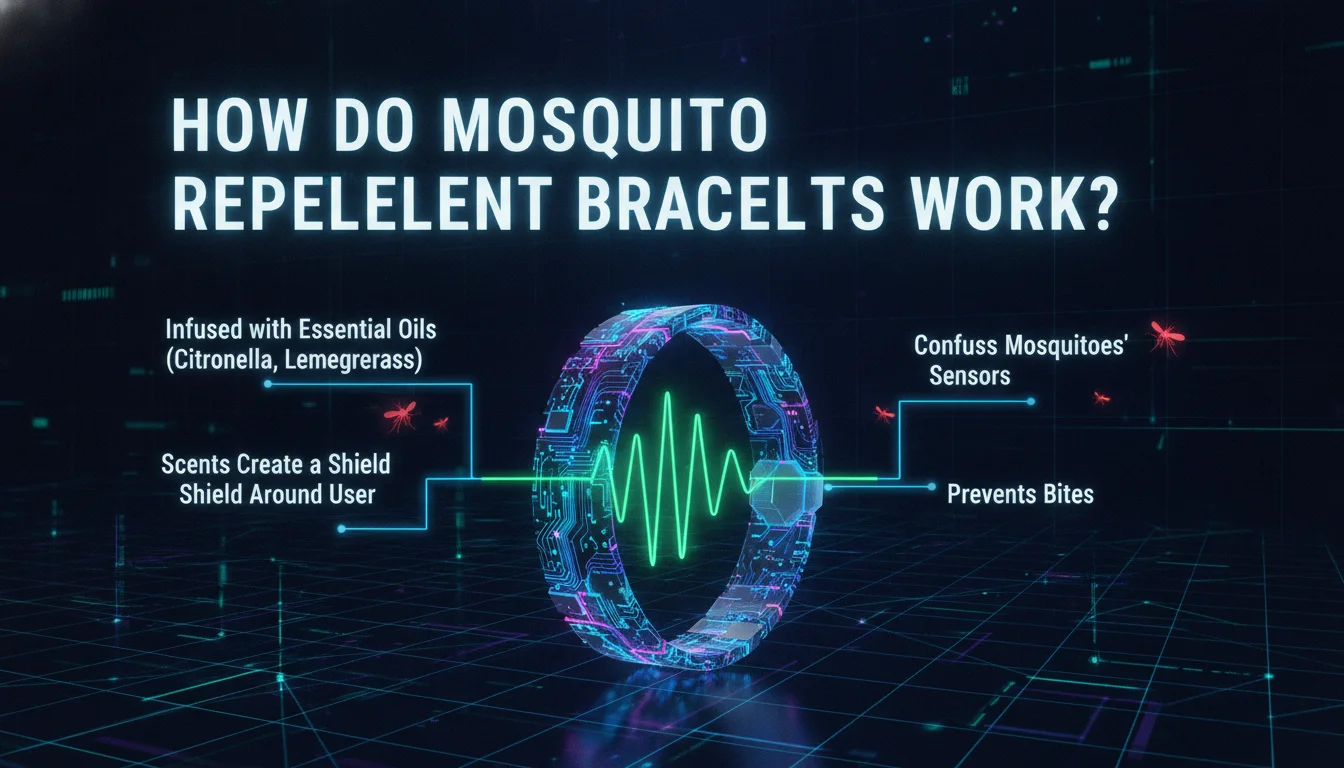
Mosquitoes locate their hosts by sensing carbon dioxide, body heat, and skin odors like lactic acid. A mosquito repellent works by emitting a scent that masks those human signals or confuses the insect’s ability to smell you. According to Conor McMeniman, an entomologist and infectious disease expert at Johns Hopkins University, mosquitoes are attracted to the unique “bouquet” of chemicals our bodies produce, and repellents disrupt the insects’ ability to detect that scent. The active ingredients diffuse from the bracelet material, creating a small vapor barrier around the wrist. Research indicates this barrier may not be strong enough to protect the entire body, especially in high-mosquito environments.
A 2023 article in National Geographic notes that experts advise wearables like bracelets are “probably ill-advised” as standalone protection, because their zone of repellency is too narrow to cover exposed skin on the legs, ankles, and face.
Active Ingredients in Bracelets
Most repellent bracelets rely on essential oils such as citronella, lemongrass, peppermint, and geraniol. These plant-derived compounds are generally recognized as safe but vary in how well they work. DEET, the gold standard for topical repellents, is rarely found in bracelets. Instead, bracelets cater to consumers seeking a more natural approach. Cliganic, for example, promotes its bracelets as “DEET-Free and Powered by Essential Oils,” with scents that are pleasant to humans but repellent to insects. Without EPA registration, many of these products are not tested for efficacy under standardized conditions, so results can vary widely by brand and environment.
How to Use a Mosquito Repellent Bracelet
For the best results, follow these steps:
- Step 1: Remove the this type of bracelet from its sealed packaging to activate the repellent oils.
- Step 2: Place it snugly on your wrist; comfortable but not tight.
- Step 3: For additional coverage, wear bands on both wrists and ankles, especially in dense mosquito areas.
- Step 4: If you’re using a refillable model like PARA’KITO, insert the repellent pellet according to the manufacturer’s instructions.
- Step 5: Store unused bands in their sealed pouch to preserve potency.
- Step 6: Replace disposable bands when the scent fades, or follow the manufacturer’s recommended duration.
Types of Mosquito Repellent Bracelets
DEET-Free Natural Oil Bracelets
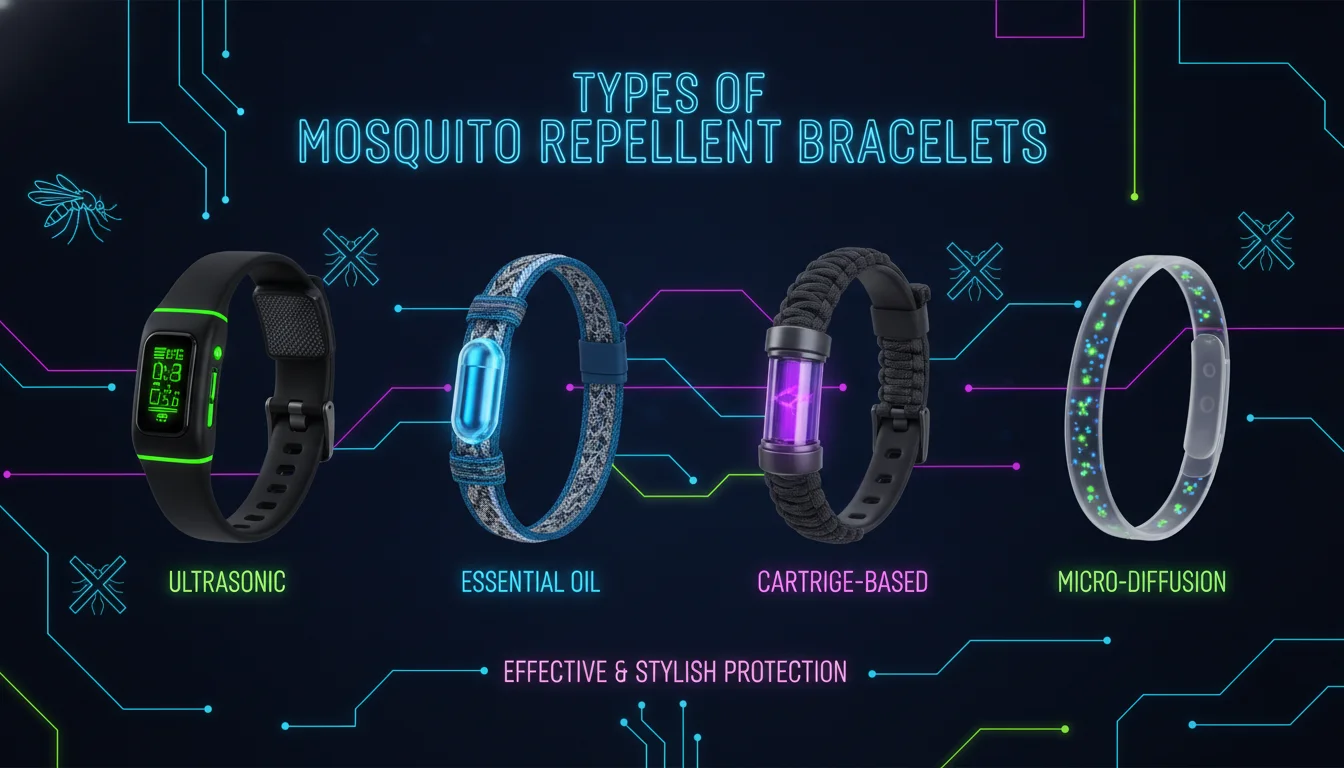
DEET-free natural oil bands are the most common type of this kind of bracelet on the market. Brands like Cliganic infuse elastic bands with plant-based oils, offering a stretchy, one-size-fits-all design. Each band is individually wrapped to maintain freshness until use. The Cliganic 10-pack costs $9.99 (list price $12.99) and has earned over 37,000 Amazon ratings with a 4.2-star average, reflecting strong popularity among families. Experts caution that the repellent vapor disperses quickly and may not repel all mosquito species, so these bands are best suited for low-risk environments like backyards or short outdoor activities.
Refillable Bracelet Systems
A more sustainable option is the refillable mosquito repellent. PARA’KITO leads this category with wristbands that come with two replaceable repellent pellets. The bracelet is made from soft fabric and comes in dozens of patterns, from solid colors to animal prints like Leopard and Fish designs. The system is waterproof, so you can wear it while swimming or sweating, which is a significant advantage over essential oil bands that may lose potency when wet. The PARA’KITO wristband with two refills is priced at $19.99, and the Sport Band variant for active users is $20.99. Refills are sold separately from $13.00, making it a cost-effective long-term solution.
Disposable vs. Reusable Bracelets
Disposable bracelets, such as the Shubug Kids Coil Bracelets available at Target for $2.99 per 5-pack, are inexpensive and convenient for one-time events. Reusable options like the PARA’KITO wristbands carry a higher upfront cost but generate less waste and work across multiple trips. One category worth skipping entirely: “ultrasonic” bracelets that claim to emit a high-frequency sound to repel mosquitoes. According to the National Geographic report, ultrasonic devices have not been shown to be effective against mosquitoes, so plant-based or chemical repellents are always the smarter choice.
Do Mosquito Repellent Bracelets Really Work?
What Experts Say
Despite their popularity, repellent bracelets face real skepticism from entomologists. Dan Markowski, technical advisor at the American Mosquito Control Association, is quoted in a 2023 National Geographic article stating that “opting for a bracelet, clip-on, or sticker is probably ill-advised,” even if the product contains an EPA-approved repellent. The core issue is that repellent emanates from a single point, leaving ankles, legs, and the face unprotected. Topical repellents like DEET or picaridin, by contrast, cover all exposed skin. The EPA does not regulate a this type of bracelet as a pesticide unless it makes specific disease-prevention claims, so many over-the-counter brands have not undergone rigorous efficacy testing.
“Mosquitoes are attracted to the ‘bouquet’ of scents on your skin. Repellents disrupt mosquitoes’ and ticks’ ability to smell us.” – Conor McMeniman, entomologist and infectious disease expert, Johns Hopkins University, via National Geographic (2023)
Field Testing and User Experiences
Online reviews paint a mixed picture. On Amazon, the Cliganic this kind of bracelet holds a 4.2-star average from over 37,000 ratings, with many users praising its pleasant scent and convenience for light outdoor use. Some campers report that in heavily infested areas, the bands offered minimal protection. The effectiveness of a mosquito repellent depends on the mosquito species present, ambient air movement, and your activity level. For static settings like a porch or picnic, a bracelet may be enough; for hiking through dense brush, it needs backup.
When to Rely on Bracelets
A repellent bracelet works best as part of a layered defense strategy. Use one when you want light, pleasant-smelling protection without chemicals on your skin. They are ideal for quick errands, gardening, or children who resist spray application. If you are in a high-risk area for mosquito-borne diseases like West Nile virus or dengue, rely on EPA-registered repellents applied directly to exposed skin. The CDC recommends products with DEET, picaridin, IR3535, or oil of lemon eucalyptus for those situations. Pairing a this type of bracelet with a topical repellent can offer supplementary comfort, but never rely on a bracelet alone in high-risk environments.
“DEET was the first chemical-based repellent on the market, and some experts consider it to be the most effective against many biting insects.” – Dan Markowski, technical advisor, American Mosquito Control Association, via National Geographic (2023)
Pros and Cons
Pros
- DEET-free and skin-friendly: Great for kids, sensitive skin, and anyone who dislikes the feel of sprays.
- Hands-free convenience: No reapplication needed throughout the day.
- Stylish and wearable: Brands like PARA’KITO offer dozens of patterns, making protection part of your look.
- Accessible price point: Options start under $3 for disposable bands, with refillable systems offering long-term value.
- Waterproof options available: PARA’KITO wristbands can be worn swimming or during high-intensity activity.
Cons
- Limited protection zone: Coverage is largely confined to the wrist area, leaving the rest of the body exposed.
- Not recommended as sole protection: Entomologists advise against relying on bracelets alone, especially in disease-risk areas.
- Variable efficacy: Many brands lack EPA registration and standardized efficacy testing.
- Short wear time for disposables: Essential oil bands can lose potency quickly, especially when wet.
- Ultrasonic versions are ineffective: Sound-based bracelets have no scientific backing for mosquito repellency.
Top Mosquito Repellent Bracelet Brands Compared
Cliganic vs. PARA’KITO vs. Others
Below is a comparison of leading this kind of bracelet options based on design, active ingredient, duration, and price.
| Feature | Cliganic 10-Pack | PARA’KITO Wristband | Shubug Coil Bracelets | NATPAT BuzzPatch (Stickers) |
|---|---|---|---|---|
| Type | Disposable band | Refillable band | Disposable coil | Adhesive sticker |
| Active Ingredient | Citronella, lemongrass, geraniol | Plant-based pellet | Citronella | Citronella |
| Duration per use | Varies; replace when scent fades | Per pellet (refillable) | Not specified | Up to 6 hours |
| Waterproof? | No | Yes | No | No (clothing only) |
| Pack Size | 10, 25, 50, 100 | 1 wristband + 2 refills | 5 coils | 24 stickers |
| Price (approx.) | $9.99 (10-pack) | $19.99 (with refills) | $2.99 (5-pack) | $9.99 (24-pack) |
| Best For | Budget, light use | Long trips, water activities | Kids, parties | Clothing, delicate skin |
Prices as listed on Amazon and Target as of mid-2025; may vary.
Budget-Friendly Options
For an economical mosquito repellent, Cliganic offers strong value at $9.99 for a 10-pack, roughly $1.00 per band. The Shubug coil bracelets from Target are even cheaper per piece at $2.99 for five, though wear time is shorter. These are great for occasional use or families who need multiple bands for a single outing. Cheaper bands often use simple elastic infused with oils that can dry out quickly, so always store them sealed until you’re ready to use them.
Premium and Stylish Choices
For those who value aesthetics and reusability, PARA’KITO stands out. Their repellent bracelet collection includes graphic patterns like “Dark Explorer,” “Hawaii,” “Peacock,” and animal prints including Leopard and Fish designs. The fabric is comfortable, and the waterproof construction means you can wear it in the ocean or pool without losing efficacy. The PARA’KITO Sport Band at $20.99 is built for high-intensity activities. While the initial cost is higher, the refillable system reduces waste and long-term expense. PARA’KITO also notes its products are designed to be safe for external wear during pregnancy, though consulting a doctor is always wise.
How to Choose the Best Mosquito Repellent Bracelet
Consider Your Activity and Environment
Your choice of this type of bracelet should match your plans. For a backyard barbecue, a simple citronella band may be all you need. For a week-long camping trip, invest in a refillable model like PARA’KITO. Near water, prioritize waterproof designs. In regions with high mosquito density, bracelets alone are not enough; always bring a backup topical repellent. Also consider the age of the user: many bands are one-size-fits-all, but dedicated kids’ versions from PARA’KITO feature child-friendly designs and softer materials.
Key Features to Look For
When shopping for a this kind of bracelet, evaluate these features:
- Active ingredient: Look for known repellents like citronella, geraniol, or picaridin. Avoid products that don’t disclose ingredients.
- Water resistance: If you’ll be sweating or swimming, a waterproof bracelet is essential.
- Fit: Adjustable or stretchy bands ensure comfort for adults and children alike.
- Packaging: Individually wrapped bands stay fresh longer before use.
- Eco-friendliness: Refillable designs cut down on plastic waste.
- Safety for kids: Check for no small parts that could be a choking hazard.
Safety and Skin Sensitivity
mosquito repellents are generally safe, but some people may experience skin irritation from prolonged contact with essential oils. Test a new bracelet on a small area of skin first. DEET-free bands are often marketed for children, but they still emit a concentrated scent, so avoid placing them near the face. For infants, even natural oils can be potent; consult a pediatrician before use. PARA’KITO notes its products are designed for safe external wear during pregnancy, though checking with your doctor is always the right call.
Beyond the Wrist: Anklets, Sandals, and Other Wearable Forms
A repellent bracelet is just one format in a growing category of wearable protection. Ankle bands offer coverage closer to the ground, where mosquitoes tend to bite most. Some brands, including PARA’KITO, have extended their repellent technology into sandals and clip-on formats, creating options that protect different parts of the body simultaneously. Layering a wrist band with an ankle band gives you broader coverage without applying anything directly to your skin, which is a practical approach for outdoor dining, beach evenings, or travel in tropical destinations.
Frequently Asked Questions
Do mosquito repellent bracelets actually work?
A mosquito repellent bracelet can provide some protection in a limited area around the wrist, but it is not as effective as topical repellents containing DEET or picaridin. Experts, including Dan Markowski of the American Mosquito Control Association, recommend using them only as a supplementary measure alongside proven repellents.
How long does a mosquito repellent bracelet last?
Duration varies by brand and formula. Disposable bands like Cliganic should be replaced when the scent fades. Refillable pellets in PARA’KITO bands are designed to be replaced periodically, and refills are sold separately from $13.00.
Are mosquito repellent bracelets safe for kids?
Yes, many bands are designed for children and use natural oils. Keep them away from infants who might chew on them, and supervise use to avoid skin irritation from prolonged contact with essential oils.
Can you wear a mosquito repellent bracelet in water?
Only waterproof models, like the PARA’KITO wristbands, are suitable for swimming or heavy sweating. Most essential oil bands lose potency when wet and should be kept dry for best results.
What’s better: a mosquito repellent bracelet or spray?
A spray offers comprehensive, full-body protection and is recommended by health authorities for high-risk environments. A bracelet is more convenient and skin-friendly but covers a much smaller area. For best results, use both together when mosquito pressure is high.
Do ultrasonic mosquito repellent bracelets work?
No. According to entomologists cited in National Geographic, ultrasonic devices have not been shown to repel mosquitoes in scientific studies. Stick with plant-based or chemical repellents for any real protection.