Heeler cattle dogs are medium-sized herding dogs officially known as Australian Cattle Dogs, bred for their distinctive heel-nipping technique with livestock. These intelligent, energetic companions come in striking blue and red coat varieties.
Key Takeaways
- Australian Cattle Dogs and heeler cattle dogs are the same breed, nicknamed for their unique herding style
- Blue and red varieties share identical temperaments – coat color is the only difference
- These dogs demand 60-90 minutes of daily exercise plus mental stimulation to thrive
- Common health concerns include congenital deafness, progressive retinal atrophy, and hip dysplasia
- They rank 47th in AKC popularity and excel with active families who understand their working drive
- Proper socialization prevents their natural herding instincts from becoming problematic with children
What Are Heeler Cattle Dogs?
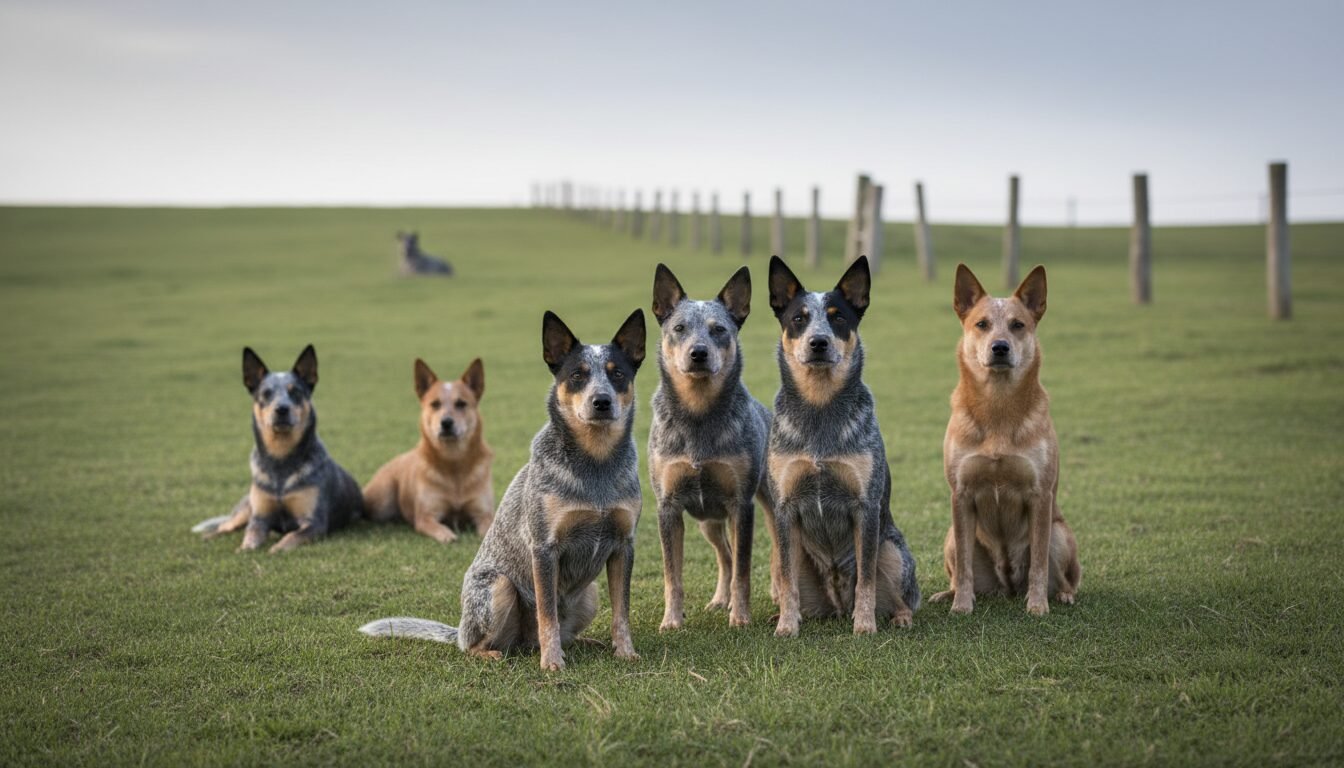
Australian Cattle Dogs earned the “heeler” nickname through their signature herding method – driving stubborn cattle by nipping at their heels. This technique proved essential for moving livestock across Australia’s vast, unforgiving outback. The breed goes by several names including Blue Heeler, Red Heeler, and Queensland Heeler, all describing the same remarkable working dog with different coat colors or regional origins.
Origins of the Breed
Australian settlers in the 19th century needed a tough drover’s dog capable of handling extreme heat and rugged terrain. They developed the breed through careful crosses involving native Dingoes, Scottish Highland Collies, Dalmatians, Black and Tan Kelpies, and Bull Terriers. According to the Wikipedia entry on the breed, these experiments aimed to produce a dog with exceptional stamina, intelligence, and heat tolerance. By the late 1800s, the type was standardized as a superior cattle herder.
The Meaning of “Heeler” and Other Names
The “heeler” designation comes from their instinct to bite or nip at livestock heels – effective for moving cattle but requiring careful training around children and strangers. “Queensland Heeler” emerged because certain bloodlines were developed in Queensland, Australia. Today, the American Kennel Club officially recognizes them simply as Australian Cattle Dogs, though all these names refer to the same exceptional working breed.
Blue Heeler vs Red Heeler: Key Differences
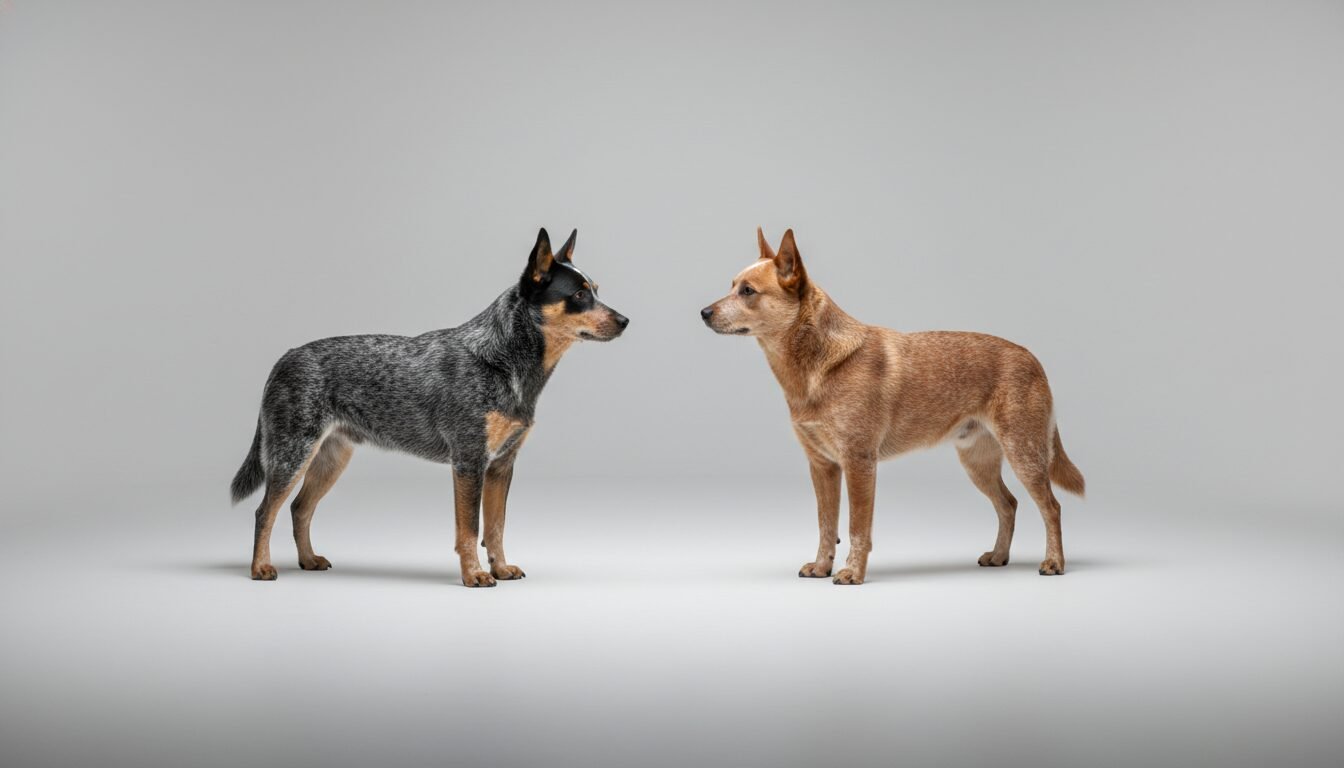
Blue and red varieties are genetically identical except for coat color, sharing the same temperament, intelligence, and physical structure. Both are born with white coats that gradually develop their distinctive blue or red coloring as they mature, determined by the distribution of colored hairs through the white base.
Coat Colors and Patterns
The AKC breed standard recognizes five distinct color descriptions: Blue, Blue Mottled, Blue Speckled, Red Speckled, and Red Mottled. Blue dogs often display tan markings on legs, chest, and face, while red dogs may show darker red markings. According to the AKC breed page, the short, dense double coat sheds seasonally and requires minimal grooming.
Are There Temperament Differences?
Absolutely not. Despite persistent myths, no temperamental variation exists between blue and red varieties. Both display equal intelligence, energy levels, and loyalty. The breed standard makes no personality distinctions by color. Any perceived differences stem from individual dog variation, training approaches, and environmental factors rather than coat genetics.
Price and Availability
Puppy prices typically range from $800 to $2,500 across the United States, varying by breeder reputation, bloodline quality, and geographic location. Red varieties are sometimes less common than blue because the red allele is recessive, though availability fluctuates regionally. Always choose breeders who perform comprehensive health screenings for deafness and vision disorders.
| Feature | Blue Heeler | Red Heeler |
|---|---|---|
| Coat Base | White turning blue-gray | White turning red |
| Markings | Often tan, black, or blue mottling | Red speckles or mottles |
| Nose Color | Black | Black |
| Eye Color | Dark brown | Dark brown |
| Typical Price | $800–$2,500 | $800–$2,500 |
Temperament and Personality Traits
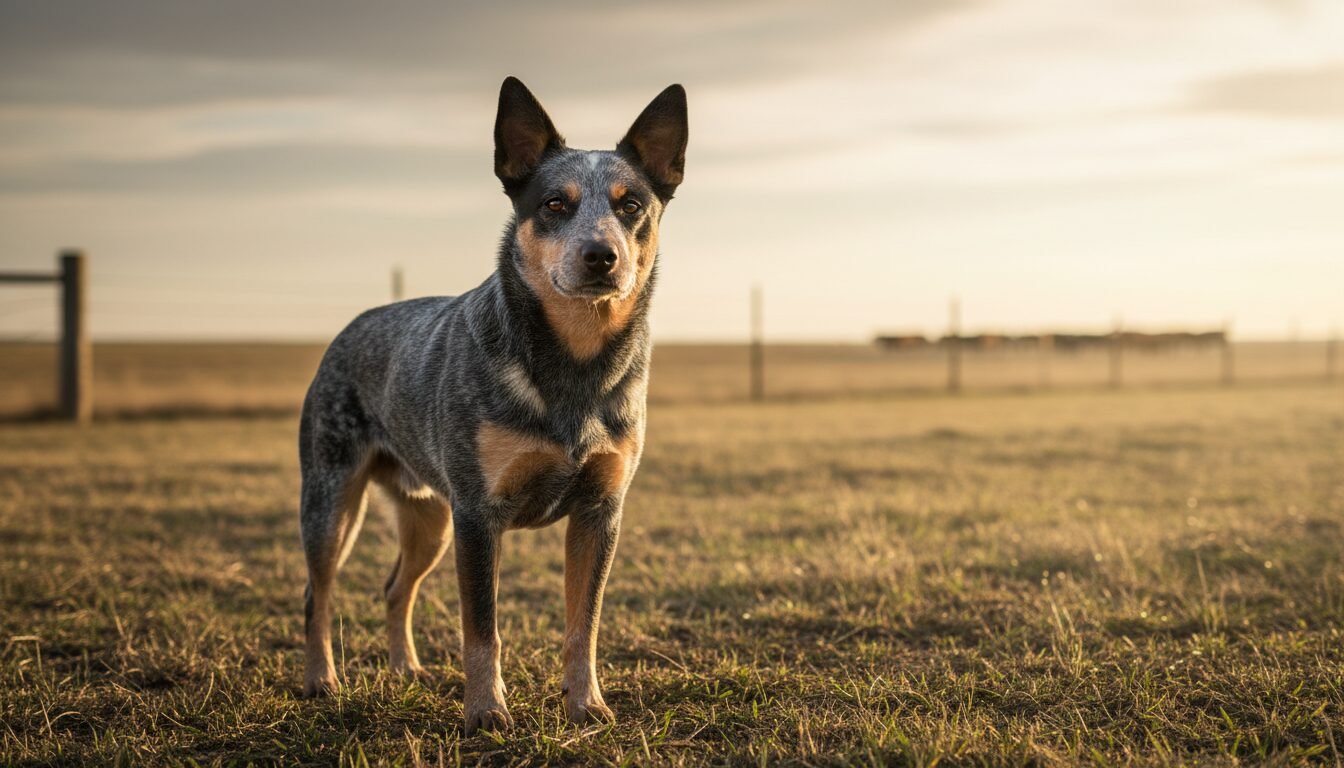
These dogs are renowned for razor-sharp intelligence, unwavering loyalty, and tireless work ethic. Often called “velcro dogs” for their tendency to shadow their owners, they’re affectionate with family but reserved with strangers. Their strong will and leadership needs make them unsuitable for first-time dog owners.
Intelligence and Trainability
Ranked among the most intelligent breeds, they excel at obedience and agility when training remains structured and engaging. The AKC notes they “respond well to structured training, particularly if it’s interesting and challenging.” However, their intelligence means they can outsmart unprepared owners. Positive reinforcement and variety keep training sessions productive and prevent boredom.
Energy Levels and Exercise Needs
Bred for all-day work, they require at least 60-90 minutes of vigorous daily exercise. Without adequate physical and mental stimulation, they develop destructive behaviors like excessive chewing, digging, or barking. Running, hiking, herding trials, and advanced obedience provide excellent energy outlets for their boundless stamina.
Loyalty and Protective Instincts
Their loyalty runs deep, forming intense bonds with owners and becoming naturally protective of home and family. Early socialization prevents over-guarding or excessive suspicion of unfamiliar people and dogs. When properly socialized, they become confident, well-mannered companions who balance protection with appropriate social behavior.
Physical Characteristics
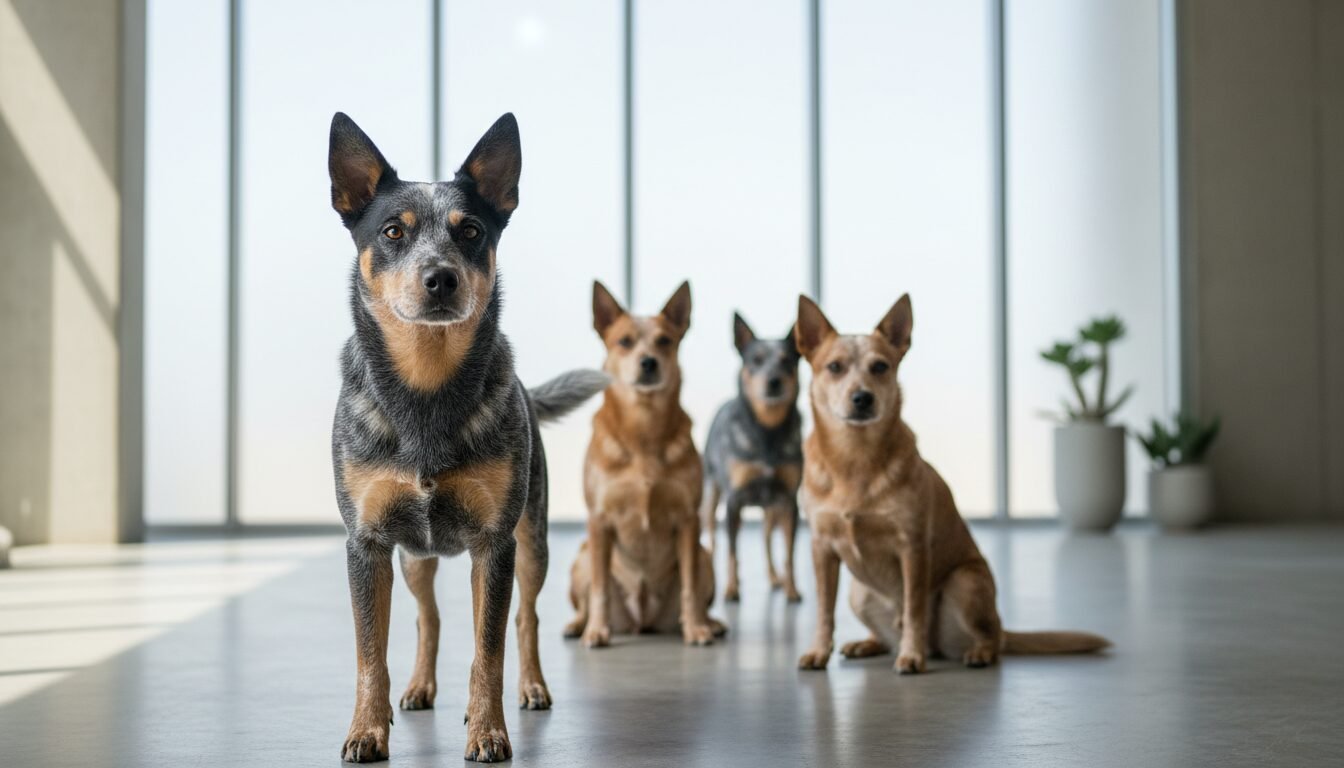
These dogs are compact, muscular, and built for endurance, standing 17-20 inches at the shoulder with a sturdy, agile frame. Every physical trait reflects their working heritage and ability to handle demanding ranch work.
Size and Weight
According to AKC breed standards, males stand 18-20 inches tall and females 17-19 inches. Weight ranges from 35-50 pounds for both sexes, though some sources note males can reach 44-66 pounds and females 33-49 pounds. This variation depends on bloodline and conditioning level.
Coat and Grooming
The weather-resistant double coat features a short, dense undercoat and protective outer layer. Shedding occurs moderately year-round with heavier seasonal periods. Weekly brushing usually suffices, increasing to daily during shedding seasons. Bathing is needed only occasionally. While not hypoallergenic, they’re considered low-maintenance for grooming.
Health and Lifespan
They typically live 12-16 years as a generally robust breed, though certain hereditary conditions occur: congenital deafness, progressive retinal atrophy, and hip dysplasia. The AKC recommends breeders screen for these issues. Regular veterinary care and balanced nutrition help ensure long, healthy lives.
Care Requirements
Caring for these dogs demands commitment to exercise, mental engagement, and proper nutrition. They thrive when given meaningful work, whether herding livestock, competing in dog sports, or accompanying owners on daily adventures.
Nutrition Needs
Feed high-quality dog food appropriate for age, size, and activity level. Their active nature requires protein-rich diets to maintain muscle mass and energy. Portion control prevents weight gain if exercise decreases. Consult your veterinarian for specific dietary recommendations based on your dog’s individual needs.
Training and Socialization
Start training and socialization early through puppy classes and controlled exposure to various people, places, and animals. They can be stubborn, requiring patience and consistency. Use reward-based methods – harsh corrections can damage their sensitive yet independent nature. Early intervention shapes well-adjusted adults.
Mental Stimulation and Activities
Beyond physical exercise, they need mental challenges to prevent boredom. Puzzle toys, scent work, herding trials, and advanced trick training engage their active minds. They excel in dog sports like agility, flyball, and dock diving. Without mental stimulation, they create their own entertainment, often leading to unwanted behaviors.
Common Health Issues
Like all breeds, they’re susceptible to specific health conditions, though responsible breeding practices and early screening significantly reduce risks.
Deafness
Congenital sensorineural deafness links to coat color genetics, particularly in dogs with excessive white pigmentation. The AKC recommends BAER (Brainstem Auditory Evoked Response) testing for all breeding stock. According to the AKC breed page, deafness in one or both ears is a known concern requiring special care considerations.
Progressive Retinal Atrophy (PRA)
PRA is a degenerative eye disorder leading to blindness. Being heritable, dogs should undergo testing before breeding. While no cure exists, blind dogs often adapt remarkably well with consistent environmental management and patient owners.
Hip Dysplasia and Other Orthopedic Issues
Hip dysplasia occurs when hip joints develop improperly, causing arthritis and pain. The Orthopedic Foundation for Animals evaluates hip health, and reputable breeders provide clearances. Other joint issues like elbow dysplasia can occur but remain less common in the breed.
Pros and Cons
Pros
- Exceptionally intelligent and trainable with proper motivation
- Fiercely loyal and forms deep bonds with family members
- Excellent exercise companion for active lifestyles
- Low grooming requirements despite seasonal shedding
- Generally healthy breed with 12-16 year lifespan
- Versatile working ability in various dog sports and activities
Cons
- Extremely high exercise and mental stimulation requirements
- Can be destructive when bored or under-stimulated
- Natural herding instincts may lead to nipping behaviors
- Not suitable for apartment living without extensive exercise
- Can be stubborn and challenging for inexperienced owners
- Prone to specific genetic health issues requiring screening
Is This Breed Right for You?
Before bringing one home, honestly assess your lifestyle and commitment level. These dogs aren’t suited to sedentary routines or small spaces without adequate outdoor activity. They need owners who understand and appreciate their intense drive and working heritage.
Best Living Environment
Ideally, they thrive in homes with large, securely fenced yards or working farms. They can adapt to suburban life with sufficient daily exercise and mental engagement. Apartment living proves challenging unless owners are exceptionally dedicated to multiple long walks and play sessions daily.
Compatibility with Children and Pets
They can be excellent with children they’re raised with, but their herding instinct may cause heel-nipping with running kids. Supervision and training are essential. They generally get along with other dogs when socialized early, though they can be dominant with unfamiliar canines. Exercise caution with small pets due to their strong prey drive.
Time Commitment and Lifestyle Fit
This breed demands significant time investment: daily exercise, ongoing training, and companionship. Bored dogs become destructive. If you work long hours without including your dog in activities, this breed may not suit your lifestyle. They bond deeply and struggle with extended alone time.
Finding the Right Dog
Whether choosing a puppy from a breeder or an adult from rescue, thorough research is essential for finding a healthy, well-socialized companion.
Breeders and Rescue Groups
The Australian Cattle Dog Club of America maintains a breeder referral list. Reputable breeders provide health clearances and early socialization. Rescue organizations like Australian Cattle Dog Rescue Association often have adult dogs needing homes. Adopting an adult can be an excellent way to skip the demanding puppy stage.
Price and What to Look For
Puppy prices typically fall between $800 and $2,500. Higher prices don’t always guarantee quality. Seek breeders who perform BAER hearing tests, OFA hip evaluations, and PRA DNA tests. Avoid puppy mills and pet stores. Visit facilities, meet parent dogs, and ensure puppies are raised in clean, enriching environments.
Puppy vs. Adult Dog
Puppies allow you to shape behavior from the start but require intense training and socialization. Adults may already be house-trained with known temperaments, making them good options for first-time owners of this breed. Shelters and rescues often assess adult dogs and can match you with a suitable companion.
Frequently Asked Questions
Are heeler cattle dogs good family pets?
Yes, they can be excellent family companions for active households that provide proper training, adequate exercise, and supervision, especially with young children who might trigger their herding instincts.
Do heeler cattle dogs shed a lot?
They shed moderately year-round with heavier seasonal shedding periods. Weekly brushing controls loose hair effectively, making them relatively easy to maintain despite their double coat.
What is the difference between an Australian Cattle Dog and a Blue Heeler?
There is no difference – “Blue Heeler” is simply a nickname for the Australian Cattle Dog when it displays the blue coat color variety.
How much exercise do heeler cattle dogs need?
They require at least 60-90 minutes of vigorous daily exercise combined with mental stimulation activities to stay happy, healthy, and well-behaved.
At what age do heeler cattle dogs become fully grown?
They typically reach full adult size by 12-15 months, though mental maturity and behavioral development may continue until around two years of age.