A cure for pain in heel is a structured approach to identifying and treating the root cause of heel discomfort, most often plantar fasciitis. Rest, ice, targeted stretching, and supportive footwear form the foundation of fast, lasting relief.
Key Takeaways
- Heel pain most commonly stems from plantar fasciitis, Achilles tendinitis, or bursitis.
- Immediate relief comes from rest, ice therapy (15–20 minutes, several times daily), and anti-inflammatory medications.
- Targeted calf and plantar fascia stretching addresses the root cause, not just the symptoms.
- Night splints hold the foot at a 90-degree angle overnight and can resolve mild symptoms in as little as 2–4 weeks.
- Supportive footwear and orthotics (ranging from $30 over-the-counter inserts to $200–$400 custom options) prevent recurrence.
- If pain persists beyond 2 weeks of consistent home treatment, consult a healthcare provider for advanced options.
Understanding the Source of Heel Pain
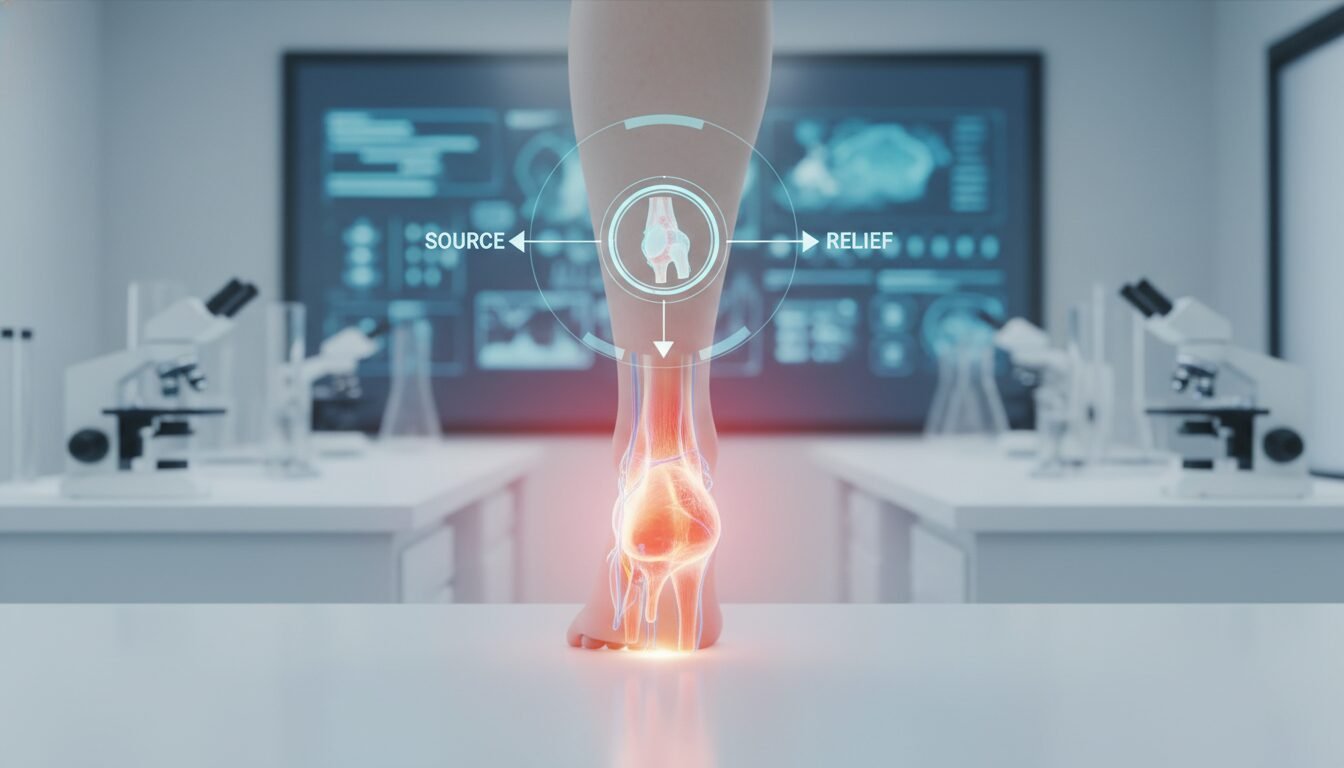
Most heel pain traces back to a handful of well-documented conditions, each with a clear treatment path. The heel bone (calcaneus) is the largest bone in the foot and absorbs enormous stress during everyday movement. Surrounding it are tendons, ligaments, and fluid-filled bursae, any of which can become irritated under repetitive load. According to the Cleveland Clinic, heel pain is one of the most common foot and ankle complaints, and the vast majority of cases improve with nonsurgical treatment.
The Anatomy of Discomfort
Your heel is a surprisingly complex structure for something that just hits the ground all day. The plantar fascia, a thick band of connective tissue, runs along the bottom of the foot from the heel bone to the toes. The Achilles tendon anchors the calf muscles to the back of the heel. When either of these structures is overloaded, pain follows quickly. Understanding which structure is involved is the first step toward an effective in heel.
Common Conditions Behind Heel Pain
Several distinct conditions can produce heel pain, and accurate diagnosis shapes the entire treatment approach. The most frequent diagnoses include:
- Plantar fasciitis: Inflammation of the plantar fascia along the bottom of the foot. This is the leading cause of heel pain, affecting more than 2 million people annually.
- Achilles tendinitis: An overuse injury of the Achilles tendon, common in runners and athletes, producing pain at the back of the heel.
- Bursitis: Swelling of the bursa at the back of the heel, resulting in a tender, bruise-like ache.
- Heel spurs: Bony calcium deposits that may form alongside chronic plantar fasciitis but are rarely the direct source of pain.
- Sever’s disease: Growth plate irritation in active children aged 8–14, typically resolving with rest and heel pads.
Other possibilities include stress fractures, nerve entrapment, and tarsal tunnel syndrome. Because symptoms overlap significantly, an accurate diagnosis is essential before committing to any this type of heel.
Why Plantar Fasciitis Is the Top Culprit
Plantar fasciitis accounts for the majority of heel pain complaints seen by podiatrists and orthopedic specialists. As Yale Medicine foot and ankle surgeon Dr. Sean Peden explains, the condition results from repetitive microtears in the plantar fascia, often driven by tight calf muscles and Achilles tendons that pull excessively on the heel bone. Yale Medicine research also confirms that heel spurs are not the cause of pain, debunking one of the most persistent myths in foot care. Tension across the entire “heel cord” (the Achilles tendon and calf complex) creates the strain that produces pain. Any effective this kind of in heel must address this full kinetic chain.
Fast-Acting Relief: Immediate Cure for Pain in Heel
The fastest path to relief combines three simple interventions you can start today: reducing load on the foot, applying cold therapy, and taking an over-the-counter anti-inflammatory. Together, these steps calm acute inflammation within days.
Rest and Activity Modification
Reducing stress on the foot is the non-negotiable first move. High-impact activities like running, jumping, or prolonged standing on hard surfaces aggravate inflamed tissue and delay healing. Switch to low-impact alternatives such as swimming or cycling, and avoid walking barefoot on tile or hardwood floors. Even 3–7 days of modified activity can produce a noticeable reduction in pain, giving your tissues the breathing room they need to begin repairing.
Ice Therapy for Inflammation
Applying ice to the heel for 15 to 20 minutes, several times a day, decreases inflammation and numbs sore tissue effectively. A frozen water bottle rolled slowly under the arch works well and doubles as a gentle massage tool. That said, Yale Medicine cautions against aggressive deep massage directly on the plantar fascia, as it can worsen existing microtears. Keep the pressure light and the cold consistent. This simple, zero-cost practice is a reliable foundation for any the for pain in heel.
Over-the-Counter Medications
Nonsteroidal anti-inflammatory drugs (NSAIDs) such as ibuprofen (Advil) or naproxen (Aleve) provide short-term symptom relief by reducing both pain and swelling. Always follow dosage instructions and check with a pharmacist or doctor if you have kidney, liver, or gastrointestinal concerns. Pharmacists also commonly recommend topical anti-inflammatory gels and cushioned heel pads as accessible, low-risk complements to oral medications. Medications ease symptoms effectively, but they are not a standalone heel. They work best as part of a broader treatment plan.
Stretching: Your Most Powerful Home Remedy

Stretching is the single most evidence-backed home treatment for plantar fasciitis and related heel conditions. Consistent daily stretching addresses the root mechanical cause rather than masking symptoms.
Calf Stretches That Ease Tension
Tight calf muscles are often the hidden driver of heel pain. The gastrocnemius and soleus muscles attach to the heel via the Achilles tendon, and when they are tight, they pull excessively on the heel bone, straining the plantar fascia with every step. Try this wall stretch: stand facing a wall with hands at shoulder height, step one foot back with the heel flat on the floor, then bend the front knee until you feel a deep stretch in the back calf. Hold for 15–30 seconds, repeat 2–3 times per leg, three times daily. The NHS recommends this exact approach as a core element of self-managed heel pain care.
Plantar Fascia-Specific Stretches
To target the plantar fascia directly, sit down and cross your affected foot over the opposite knee. Gently pull the toes back toward your shin until you feel a stretch along the arch of the foot. Hold for 15–30 seconds and repeat 2–3 times. This stretch is most effective first thing in the morning, before you take a single step. Even a few consistent sessions can bring meaningful relief, making it an essential component of your cure for pain in heel.
How Often and When to Stretch
Stretch before getting out of bed in the morning and after any extended period of sitting or rest. The plantar fascia tightens overnight, which explains that sharp, stabbing pain on your first steps of the day. A gentle stretch before standing prevents fresh microtears from forming. Aim for three stretching sessions per day for at least two weeks, and treat it like brushing your teeth: non-negotiable.
Night Splints: An Overnight Cure for Pain in Heel
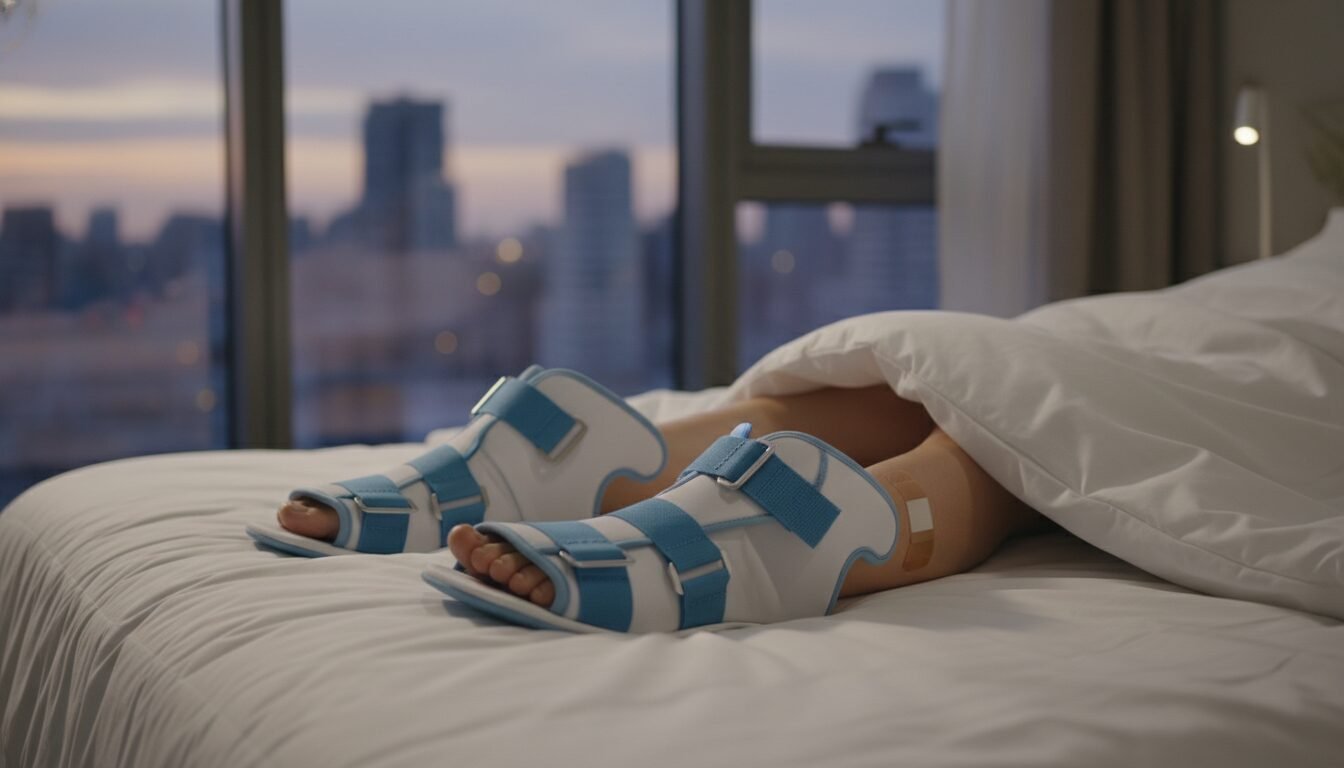
Night splints are one of the most effective and underused tools for resolving heel pain, particularly that brutal morning pain that makes the first steps of the day feel impossible.
How Night Splints Work
A night splint is a padded device that holds the foot in a 90-degree angle (dorsiflexion) while you sleep. This keeps the plantar fascia gently elongated throughout the night, preventing the tissue from contracting and re-tearing when you stand up in the morning. According to Yale Medicine, night splints are often the first line of treatment for plantar fasciitis and can bring relief within days. For many people, this is the closest thing to a true overnight cure for pain in heel.
When to Use Them and for How Long
Most clinicians recommend wearing a night splint consistently for 2 to 4 weeks, or until morning pain subsides significantly. If sleeping with the splint feels uncomfortable at first, start by wearing it for a few hours in the evening while resting with your foot elevated. Even 30–60 minutes of use per session provides benefit. Many patients report noticeable improvement within the first week, making night splints one of the highest-value investments in a cure for pain in heel.
Getting the Right Fit
Night splints are available over the counter at most pharmacies, or through a podiatrist for a professional fit. Drugstore versions can work well for mild to moderate cases. A professionally fitted splint ensures the correct angle and adequate cushioning for your specific foot shape. Most insurance plans cover prescribed splints, so check your benefits before paying out of pocket. Avoid improvised alternatives: improper positioning can worsen pain rather than resolve it.
Taping, Strapping, and Pharmacist-Recommended Products
Beyond splints and stretching, several practical tools can support your recovery and reduce daily pain levels significantly.
Athletic Taping and Strapping
Low-Dye taping is a technique used by podiatrists and physical therapists to support the arch and reduce tension on the plantar fascia during the day. Rigid sports tape (such as zinc oxide tape) is applied across the arch in a specific pattern that limits excessive pronation and offloads the heel. Many patients find that a single taping session provides hours of relief, making it a practical bridge between rest days and full activity. Kinesiology tape (KT Tape) is a more flexible alternative that some find comfortable for longer wear periods of 3–5 days.
Heel Pads, Cups, and Gels
Silicone heel cups and gel pads sit inside your existing shoes and cushion the heel with every step. They cost as little as $10–$20 and are widely recommended by pharmacists as a first-line comfort measure. Heel cups work by redistributing pressure away from the most inflamed area of the heel bone. While they do not address the underlying tightness driving plantar fasciitis, they make daily movement more manageable while your stretching and splinting routine does the deeper work.
The Ultimate Step-by-Step Cure for Pain in Heel
If you want a structured plan you can start today, follow this evidence-based 4-step protocol. It combines the most effective strategies from leading medical institutions and resolves pain in most mild-to-moderate cases within 4–6 weeks.
- Step 1: Ice and Rest. Apply ice for 15–20 minutes, 3–4 times daily. Reduce running and jumping for 3–7 days and switch to low-impact movement.
- Step 2: Stretch Daily. Perform calf and plantar fascia stretches every morning before your first step and again in the evening, holding each stretch for 15–30 seconds.
- Step 3: Wear a Night Splint. Use a splint for at least 2 weeks, even if only for a few hours per night. Consistency matters more than duration.
- Step 4: Switch to Supportive Footwear. Replace flat shoes and worn-out sneakers with models that offer firm arch support, cushioned midsoles, and a low-to-moderate heel.
Commit to this routine for 4–6 weeks. If pain persists beyond that window, consult a podiatrist for advanced options. This systematic approach is widely regarded as the most reliable cure for pain in heel without invasive procedures.
Supportive Footwear and Orthotics: Preventing Heel Pain Recurrence
The right shoes are not a luxury when you are dealing with heel pain. They are a medical necessity. Walking barefoot or in unsupportive footwear (flip-flops, ballet flats, worn-out sneakers) puts excessive and uneven strain on the heel with every step.
Choosing Shoes That Heal
Look for shoes that offer all four of these features:
- A firm heel counter for rearfoot stability
- Arch support matched to your foot type (flat, neutral, or high arch)
- Cushioned midsoles to absorb ground-impact shock
- A low-to-moderate heel drop (not completely flat)
Replace athletic shoes when the midsole shows visible compression or the outsole wears unevenly. Even premium shoes lose their structural support over time, and continuing to wear them is a common reason heel pain returns after a period of improvement.
The Truth About Heel Spurs and Orthotics
Heel spurs are calcium deposits visible on X-rays, often found in people with plantar fasciitis. Yale Medicine research confirms they are rarely the source of pain. The real issue is the inflamed soft tissue surrounding the heel bone. Orthotics, whether custom or over-the-counter, relieve strain by supporting the arch and reducing tension on the plantar fascia. This directly contributes to a durable, lasting cure for pain in heel.
Custom vs. Over-the-Counter Inserts
Prefabricated orthotics from brands like Superfeet or Powerstep cost $30–$50 and provide meaningful relief for many people. Custom orthotics, prescribed by a podiatrist and made from a mold of your foot, typically run $200–$400. If you have severe flat feet, high arches, or a significant gait abnormality, custom orthotics may be necessary. For most people, starting with a quality over-the-counter insert is a sensible, cost-effective first step.
When Home Remedies Are Not Enough: Professional Treatments
Professional treatments become relevant when 4–6 weeks of consistent home care have not produced adequate relief. The table below outlines the main clinical options, their expected timelines, and who they suit best.
| Treatment | Expected Relief Time | Suitable For | Important Notes |
|---|---|---|---|
| Physical Therapy | 4–8 weeks | Chronic conditions, recurrent pain | Includes manual therapy, ultrasound, and targeted exercises |
| Cortisone Injections | Days to weeks | Severe acute inflammation | Temporary relief; repeated use may weaken tissue |
| Shockwave Therapy (ESWT) | 6–12 weeks | Stubborn plantar fasciitis | Non-invasive; stimulates the body’s natural healing response |
| PRP Injections | Weeks to months | Chronic tears, failed conservative care | Uses the patient’s own platelets to promote tissue repair |
| MLS Laser Therapy | 4–8 weeks | Inflammation and nerve pain | Multi-wave locked system; non-invasive, no downtime |
| Surgery | Months | Last resort (fewer than 5% of cases) | Plantar fascia release; longest recovery period |
Physical Therapy and Advanced Modalities
A physical therapist can design a program of stretches, strengthening exercises, and manual therapy to correct gait abnormalities that contribute to heel pain. Techniques like dry needling, therapeutic ultrasound, and iontophoresis are commonly used alongside exercise. The American Physical Therapy Association notes that a guided, individualized program improves long-term outcomes and significantly reduces the likelihood of recurrence. For many patients, physical therapy is the bridge to a permanent cure for pain in heel.
Injections and Shockwave Therapy
Corticosteroid injections offer rapid pain relief but are typically limited to 2–3 administrations due to the risk of tendon weakening with repeated use. Platelet-rich plasma (PRP) injections use concentrated healing factors drawn from your own blood to stimulate tissue repair at the injury site. PRP protocols typically involve 1–3 injections spaced several weeks apart. Extracorporeal shockwave therapy (ESWT) delivers focused energy pulses to the heel, stimulating circulation and cellular repair without incisions or downtime. The Mayo Clinic notes that these interventions are considered when conservative care has not resolved symptoms after several months of consistent effort.
MLS Laser Therapy
Multi-wave locked system (MLS) laser therapy is a newer non-invasive option gaining traction in podiatric clinics. It uses synchronized laser wavelengths to reduce inflammation and stimulate nerve and tissue healing simultaneously. A typical course involves 6–10 sessions over 3–5 weeks, with many patients reporting reduced pain after the first 2–3 treatments. It carries no known significant side effects and requires no recovery time, making it an appealing option for patients who want to avoid injections.
Diagnostic Imaging: When to Get an MRI or Ultrasound
Most heel pain diagnoses are clinical, meaning a doctor can identify the cause through physical examination and your symptom history alone. Diagnostic imaging becomes relevant when pain is severe, sudden, or fails to respond to 6–8 weeks of treatment. Ultrasound is often the first imaging choice: it is fast, affordable, and can visualize plantar fascia thickening and tears in real time. MRI is reserved for cases where a stress fracture, nerve entrapment, or other structural pathology is suspected. Neither is typically needed for straightforward plantar fasciitis.
Is Surgery Ever Necessary?
Surgery is a genuine last resort. Fewer than 5% of heel pain patients require surgical intervention, and most surgeons will not consider it until 6–12 months of conservative treatment have failed to produce relief. Procedures like plantar fascia release or gastrocnemius recession carry real recovery timelines measured in months, not weeks. For the vast majority of people, a complete cure for pain in heel is achievable without surgery.
Lifestyle Changes for Long-Term Heel Pain Prevention
Treating the current episode of heel pain is only half the job. Building habits that prevent recurrence is what keeps you pain-free for the long term.
Maintaining a Healthy Weight
Excess body weight increases the mechanical load on the plantar fascia with every step, raising the risk of heel pain significantly. Even modest weight reduction eases that strain meaningfully. The NHS specifically advises weight management as part of a complete heel pain treatment plan for those who are overweight. This is not about aesthetics: it is about reducing the cumulative stress your feet absorb across thousands of steps each day.
Activity-Specific Prevention Strategies
Runners, dancers, and anyone who spends long hours on their feet should build these habits into their routine:
- Increase training volume gradually, adding no more than 10% per week
- Warm up properly before exercise, including dynamic calf and ankle mobility work
- Cross-train to distribute load across different muscle groups and movement patterns
- Stretch calves and hamstrings consistently, not just when pain flares
Jobs that require standing on concrete floors, common in manufacturing, healthcare, and retail, are linked to higher rates of heel pain. Anti-fatigue mats provide a simple, low-cost buffer against that cumulative impact.
Building Strength and Flexibility
Incorporate foot-strengthening exercises like toe curls, single-leg heel raises, and short-foot exercises into your weekly routine. Strong intrinsic foot muscles and flexible calves create a resilient base that absorbs load more efficiently. Think of it as building structural insurance against future flare-ups. See the step-by-step cure for pain in heel section above for the specific stretches that anchor this approach.
Pros and Cons of Common Heel Pain Treatments
Pros
- Most cases resolve with conservative, at-home treatment requiring no prescriptions or procedures
- Night splints and stretching are low-cost and can produce relief within 2–4 weeks for mild cases
- Over-the-counter orthotics ($30–$50) provide meaningful arch support without a specialist visit
- Advanced options like ESWT and PRP injections offer effective solutions for chronic cases without surgery
- Lifestyle changes (weight management, supportive footwear) deliver long-term prevention alongside short-term relief
Cons
- Full recovery from plantar fasciitis can take 6–12 months even with consistent treatment
- Cortisone injections provide temporary relief and carry a risk of tissue weakening with repeated use
- Custom orthotics cost $200–$400 and may not be fully covered by all insurance plans
- Surgery, required in fewer than 5% of cases, involves a recovery period measured in months
- Ignoring early symptoms often leads to chronic pain that is significantly harder to resolve
Recognizing When to See a Doctor
Home care resolves most heel pain, but certain symptoms signal that professional evaluation is needed promptly. Knowing the difference protects you from turning a manageable condition into a chronic one.
Red Flags That Demand Medical Attention
Seek medical care without delay if you experience any of the following:
- Inability to bear weight on the affected foot
- Severe pain at night or during complete rest
- Signs of infection: warmth, redness, or fever
- Numbness or tingling, which may indicate nerve involvement
- Pain following a sudden injury accompanied by a popping sound
If you have diabetes and develop heel pain, see a doctor immediately. Diabetes impairs circulation and healing, and what begins as a minor foot problem can escalate quickly. A proper diagnosis is always the first step toward a targeted, effective cure for pain in heel.
Heel Pain in Children: Sever’s Disease
Active children between 8 and 14 may develop Sever’s disease, caused by irritation of the growth plate in the heel during periods of rapid growth. It typically responds well to rest, ice, and cushioned heel pads within a few weeks. Do not dismiss heel pain in a child as growing pains. Early intervention prevents the condition from becoming a longer-term problem that sidelines young athletes for an entire season.
Pain That Will Not Go Away: Chronic Solutions
If pain persists beyond 2 weeks of dedicated home treatment, consult a podiatrist or orthopedic specialist. They may order X-rays, ultrasound, or MRI to rule out stress fractures or other structural pathology before recommending advanced treatments like ESWT or physical therapy. As the Cleveland Clinic emphasizes, ignoring persistent heel pain leads to chronic conditions that require far longer recovery timelines than those addressed early. The cure for pain in heel that takes 2 weeks to start is far better than the one that takes 12 months to finish.
“The most common mistake patients make is waiting too long to address heel pain. By the time they see us, what started as a two-week fix has become a six-month project.” – Podiatric medicine perspective, as reported by the American Podiatric Medical Association
“Night splints are one of the most underutilized tools in heel pain management. Patients are often surprised by how quickly they work once they commit to wearing them consistently.” – Yale Medicine foot and ankle specialist perspective, per Yale Medicine patient education resources
Frequently Asked Questions
What is the fastest way to cure pain in heel?
The fastest cure for pain in heel combines rest, ice therapy (15–20 minutes, several times daily), and NSAIDs to calm acute inflammation within days. Pairing these with a night splint and consistent stretching produces the most rapid lasting relief, with many mild cases improving noticeably within 1–2 weeks.
Can heel pain be a sign of something serious?
In most cases, no. Heel pain is typically caused by soft tissue conditions like plantar fasciitis or Achilles tendinitis. However, severe or persistent pain accompanied by redness, swelling, fever, or numbness may indicate a stress fracture, nerve entrapment, or infection, all of which require prompt medical evaluation.
How long does it take for heel pain to heal?
With consistent conservative treatment, most plantar fasciitis cases improve within 6–12 months. Using night splints and stretching from the start can reduce that timeline to 2–4 weeks for mild cases. Starting treatment early is the single biggest factor in how quickly you recover.
Are heel spurs the main cause of heel pain?
No. Heel spurs are common in people who have no pain at all and are rarely the direct cause of discomfort. The real culprit is almost always soft tissue inflammation, particularly plantar fasciitis. Effective treatments target the inflamed tissue and the mechanical tension driving it, not the spur itself.
Do I need surgery to cure pain in heel?
Surgery is needed in fewer than 5% of cases and is only considered after 6–12 months of conservative care have failed to produce relief. The vast majority of people recover fully with rest, stretching, night splints, and supportive footwear. Exhaust every conservative option before discussing surgical intervention with your doctor.
Can losing weight cure heel pain?
Weight loss can significantly reduce heel pain by decreasing the mechanical load on the plantar fascia with every step. The NHS recommends weight management as part of a complete heel pain treatment plan. It works best as part of a broader approach that also includes stretching, supportive footwear, and appropriate rest.
This article is for informational purposes only and should not replace professional medical advice. Always consult a qualified healthcare provider for diagnosis and treatment of heel pain.
Ready to take the next step? Shop the collection at lexazi.com – free shipping on orders over $75.