Key Takeaways
- A hawaiian flower necklace, called a lei, is a garland of flowers, leaves, shells, or other materials worn around the neck as a symbol of aloha (love, welcome, or celebration).
- Fresh flower leis use blooms like orchids, plumeria, and tuberose, while modern interpretations include seashell, kukui nut, and fine gold jewelry versions.
- According to Na Hoku, fine jewelry flower necklaces can range from $959 to $1,299, while bulk silk leis on Amazon cost as little as $0.34 each.
- Lei etiquette advises never to refuse a lei, to wear it draped over the shoulders (not like a pendant), and to never toss it away in front of the giver.
- With a lifespan of roughly 1-2 days for fresh flowers, permanent hawaiian flower necklace options in gold or resin let you carry the islands’ spirit for years.
A hawaiian flower necklace is a garland worn around the neck, known locally as a lei, symbolizing affection, welcome, or celebration in Hawaiian culture. Fresh blooms like plumeria and tuberose are traditional, while modern versions include seashell, kukui nut, and fine jewelry designs.
What Is a Hawaiian Flower Necklace?
The Lei as a Symbol of Aloha
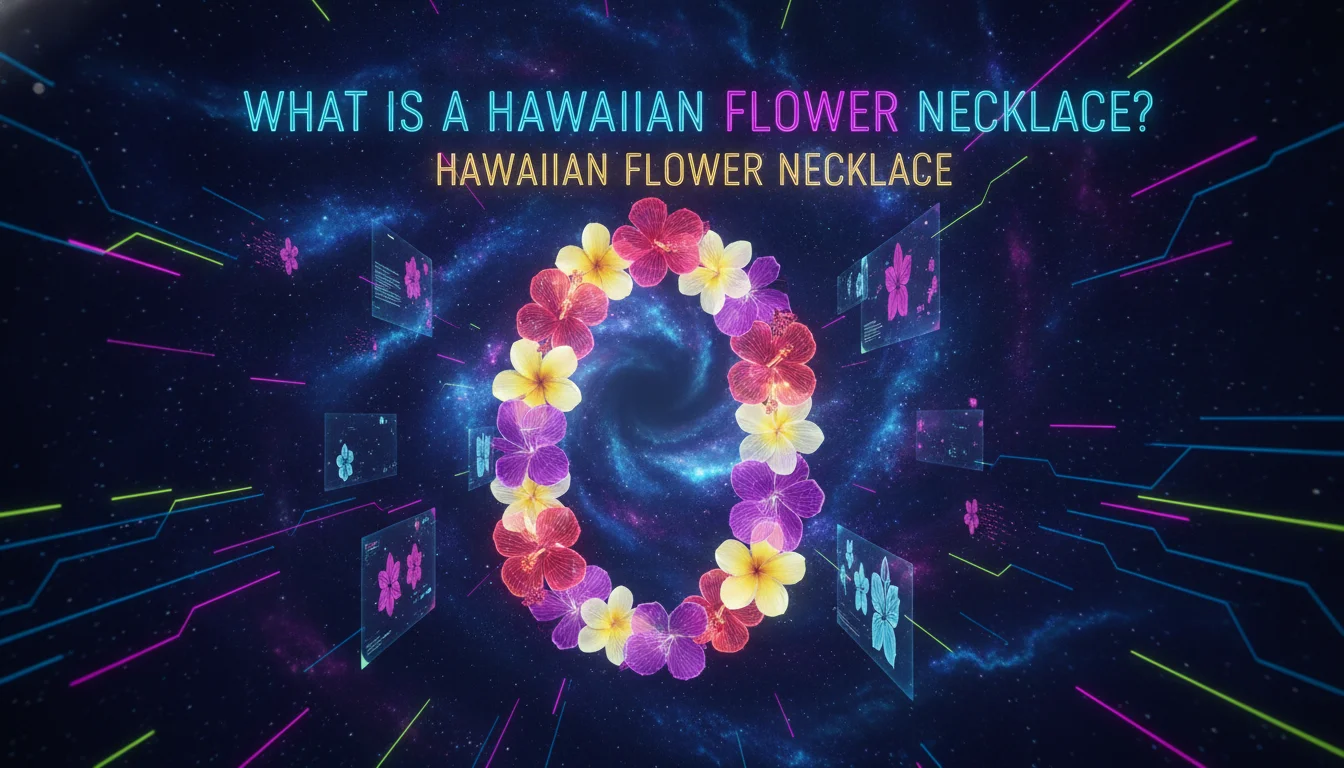
A flower necklace, or lei, is a physical expression of aloha. Aloha isn’t just a greeting. It’s a deep concept embodying love, compassion, and mutual respect, and when someone drapes a lei over your shoulders, they’re sharing a piece of the islands’ essence with you. According to Volcano Village Estates, the moment a lei is placed around your shoulders, “you feel a shift, like you’ve been welcomed not just into a place, but into a feeling.” This gesture goes beyond adornment. It’s a social ritual that dates back centuries.
“You feel a shift, like you’ve been welcomed not just into a place, but into a feeling,” notes Volcano Village Estates on the tradition of lei-giving.
Leis are given for countless reasons: to honor a graduate, celebrate a wedding, greet a visitor, or bid farewell. They’re also worn as a mark of respect during solemn occasions. In modern Hawaiʻi, you’ll spot them everywhere from airport arrival gates to formal luaus, but the core sentiment stays the same. A lei is a gift of connection.
Common Materials Used in a Hawaiian Flower Necklace
The term “this type of necklace” often conjures colorful blossoms, but the materials are genuinely diverse. Traditional leis are crafted from any natural material the islands provide: flowers, leaves, seeds, shells, feathers, and even bone. Blooms like fragrant plumeria (melia), vivid orchid, delicate pikake (jasmine), and the rare ʻōhiʻa lehua are among the most cherished. Leaves such as ti (kī) and maile are woven into open-ended leis for men or wrapped around orchid strands for contrast.
Beyond botanicals, kukui nuts, polished to a deep ebony sheen, are a popular choice for both men and women, while tiny puka and sunrise shells create delicate, beachy styles. In fine jewelry, artisans transform these motifs into lasting treasures using 14K gold, sterling silver, mother of pearl, and diamonds. This range means whether you want a fleeting fragrant garland or an heirloom piece, there’s a this kind of necklace to suit every taste and budget.
The Cultural History of the Lei
Ancient Origins and Royal Traditions
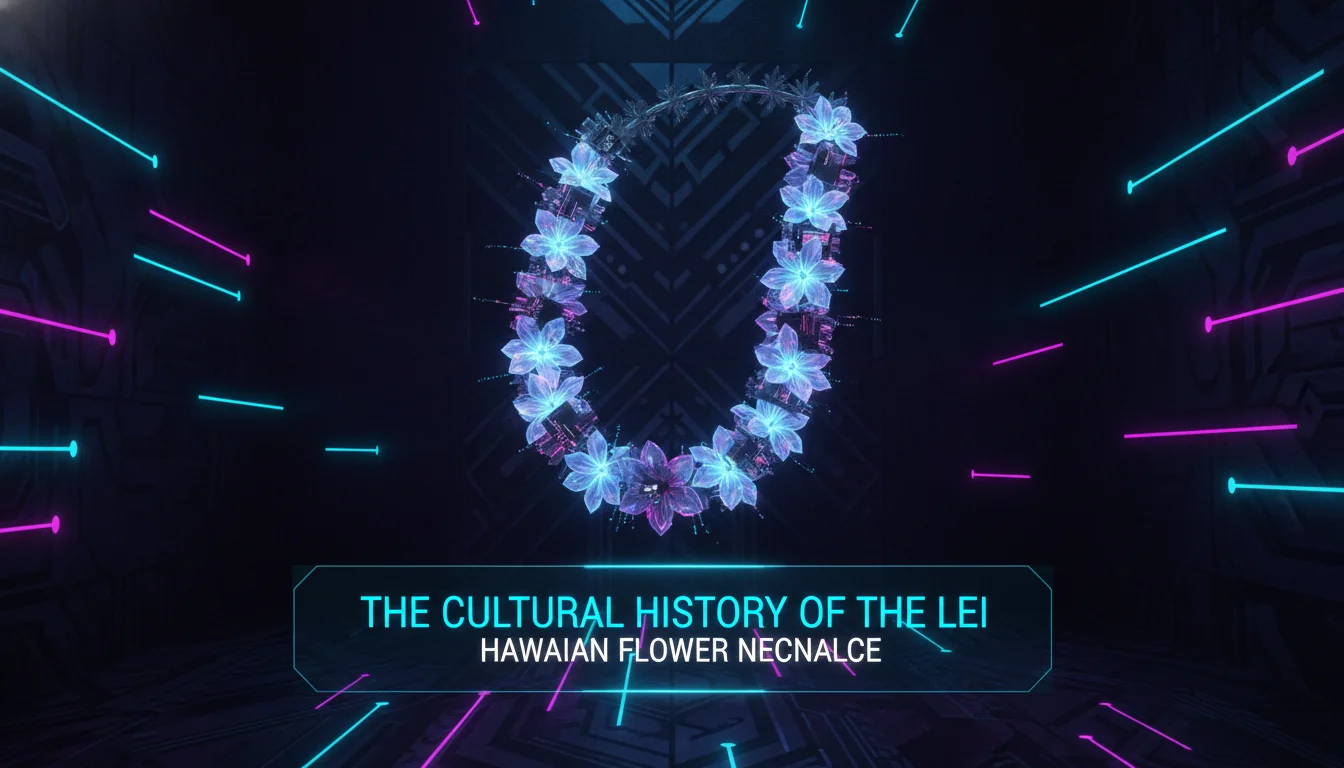
The tradition traces back to the earliest Polynesian voyagers who settled the Hawaiian Islands roughly 1,500 years ago. These seafarers carried with them the plants used for lei-making and the spiritual beliefs that elevated the lei from simple adornment to sacred symbol. In ancient Hawaiʻi, leis were worn by aliʻi (chiefs) to signify rank and power, and specific materials were reserved exclusively for royalty. The intricate lei hulu (feather lei) required thousands of tiny feathers from now-extinct birds and could take generations to complete, a true testament to its mana (spiritual energy). Lei-making itself was a sacred skill, passed down carefully through generations of families.
Leis also played a central role in religious ceremonies. They were offered to gods at heiau (temples), used to adorn sacred stones, and given as peace offerings between warring factions. According to Volcano Village Estates, the ʻōhiʻa lehua blossom, one of the first flowers used in lei-making, was closely associated with Pele, the volcano goddess, and symbolized strength, beauty, and renewal, themes that still resonate in lei culture today.
The Lei’s Role in Modern Hawaiian Ceremonies
The lei remains an essential part of daily life in Hawaiʻi. The tradition grew during the 20th century alongside tourism, but it never lost its cultural roots. At graduations, students disappear under towering stacks of leis; at weddings, the bride and groom exchange garlands of pikake and orchid; and on May Day, communities celebrate Lei Day with lei-making contests and pageantry that honor the craft’s history.
Visitors often meet their first hawaiian flower at Honolulu International Airport, where greeters present fragrant tuberose or orchid leis. This custom, while commercialized, still carries real tradition, a warm welcome that echoes ancient practices. The lei has also become a symbol of Hawaiian cultural resilience, representing a connection to nature and heritage in a fast-changing world.
Different Types of Hawaiian Flower Necklaces
Fresh Flower Leis
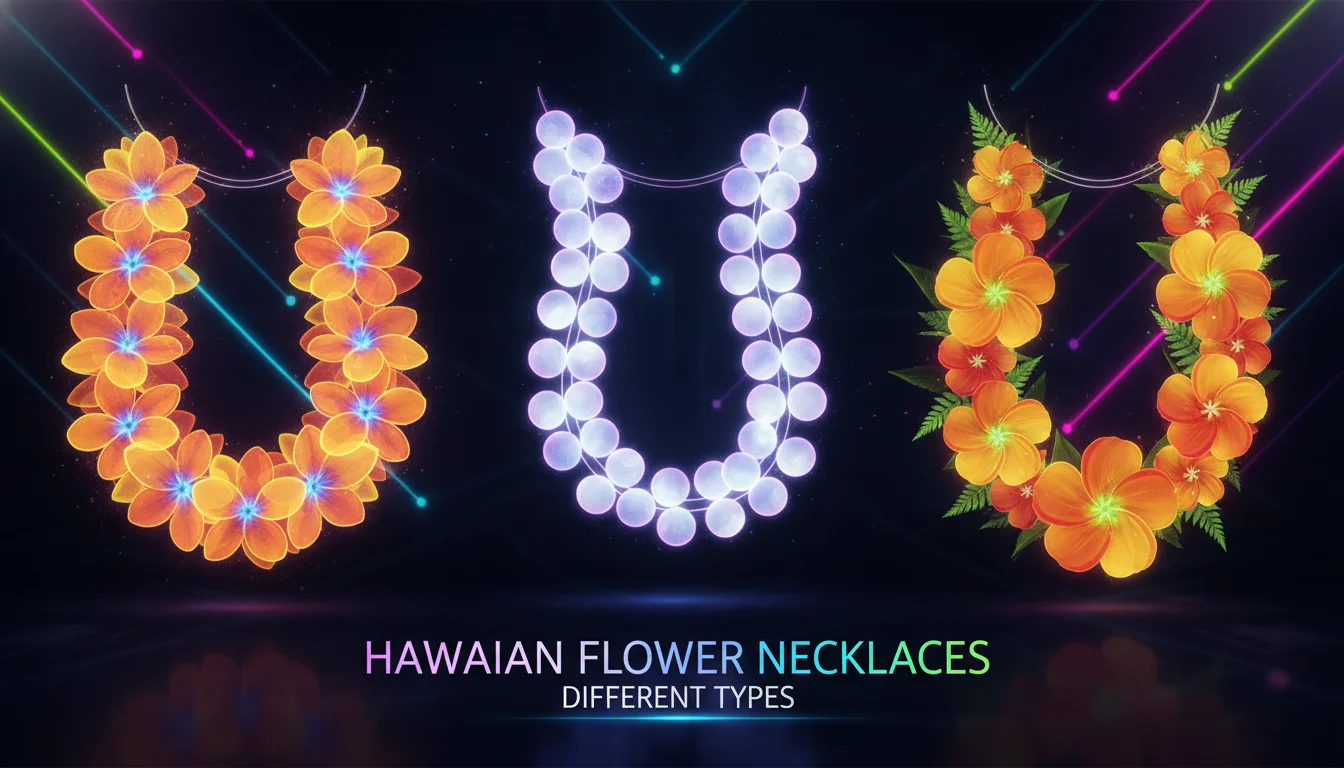
The classic flower necklace is the fresh flower lei, hand-strung from living blooms. Orchids are the workhorse of the industry: durable, vividly colored, and widely available. The classic purple orchid lei, often seen at luaus, starts at just $19.99 from retailers like Hawaii Lei Stand. For a touch more elegance, deluxe orchid leis combine multiple colors and flower sizes, running $29.99 to $95.00. Fragrant varieties like tuberose (sold from $36.99) and the coveted pikake (starting around $100 due to its labor-intensive harvest) offer a scent experience that silk or gold simply can’t replicate.
Fresh leis are fleeting treasures, lasting roughly 1-2 days with proper refrigeration. This short lifespan adds to their romantic appeal. They’re meant to be enjoyed in the moment, then returned to the earth. Because they’re biodegradable, fresh flower leis are also the most sustainable choice for eco-conscious buyers.
Artificial and Silk Flower Leis
When longevity matters, artificial leis made from silk, polyester, or foam flowers are a practical alternative. Bulk packs dominate this category: on Amazon, you can find 50-piece sets for $16.99 (about $0.34 per lei), with larger 200-piece sets available for bigger events. These are ideal for party favors, destination weddings where fresh flowers aren’t practical, or anyone wanting a reusable option for frequent wear.
While they lack fragrance and the organic texture of real blossoms, high-quality silk leis can be surprisingly realistic. Retailers like Lavahut also offer handmade shell flower necklaces that mimic plumeria blooms with a bohemian flair, priced between $11.95 and $19. These permanent pieces capture the island aesthetic without wilting.
Shell and Nut Leis
Beyond flowers, natural materials like shells and nuts create a distinctly Polynesian style. Kukui nut leis, polished into glossy black or brown beads, are among the most recognized. The Hawaiian Lei Company lists a basic black kukui nut lei for $17.33, while Hawaii Lei Stand offers a ti leaf and kukui nut combination starting at $54.99. These leis are unisex, durable, and steeped in symbolism, since the kukui tree once provided light (its oily nuts were burned as candles), making the lei a tribute to enlightenment and protection.
Seashell leis, like those from Lavahut, are crafted into floral shapes using tiny puka shells or larger sunrise shells. Each necklace is unique, reflecting the natural variations of the ocean. These are lightweight, waterproof, and perfect for beachwear, an earthy alternative to the fragrant bloom.
The Haku Lei: A Flower Crown Variation
A haku lei is a woven flower headpiece, and while it’s technically worn on the head rather than the neck, it belongs to the same lei family and often pairs with a matching flower necklace. Haku leis are braided using a three-strand technique with ferns, ti leaves, and small blooms like baby’s breath or spray orchids woven together for a full, textured crown. Brides and hula dancers frequently wear a haku lei alongside a fresh flower lei for a coordinated, romantic look, and they’ve become a popular choice for destination wedding photos and beach celebrations alike.
Fine Jewelry Hawaiian Flower Necklaces
For a permanent memento, fine jewelry this type of necklace designs capture the islands’ flora in precious metals. Na Hoku, Hawaii’s oldest jeweler, established in 1924, offers a Flowers of Hawaii Collection featuring 38 designs across pendants, earrings, and bracelets. Their Large Yellow and White Mother of Pearl Hibiscus Pendant, set in 14K gold, retails for $1,299, while a White Akoya Pearl Flower Slider Necklace with diamonds costs $959. Maui Divers, another premier Hawaii-based brand, creates plumeria and hibiscus designs exclusively made in the islands.
These pieces turn the transient beauty of a lei into an everyday luxury. A gold plumeria pendant on a delicate chain becomes a wearable reminder of paradise, suited for both casual beach days and formal evenings. With proper care, these jewelry pieces become heirlooms passed through generations.
Fresh vs. Artificial Hawaiian Flower Necklaces: A Comparison
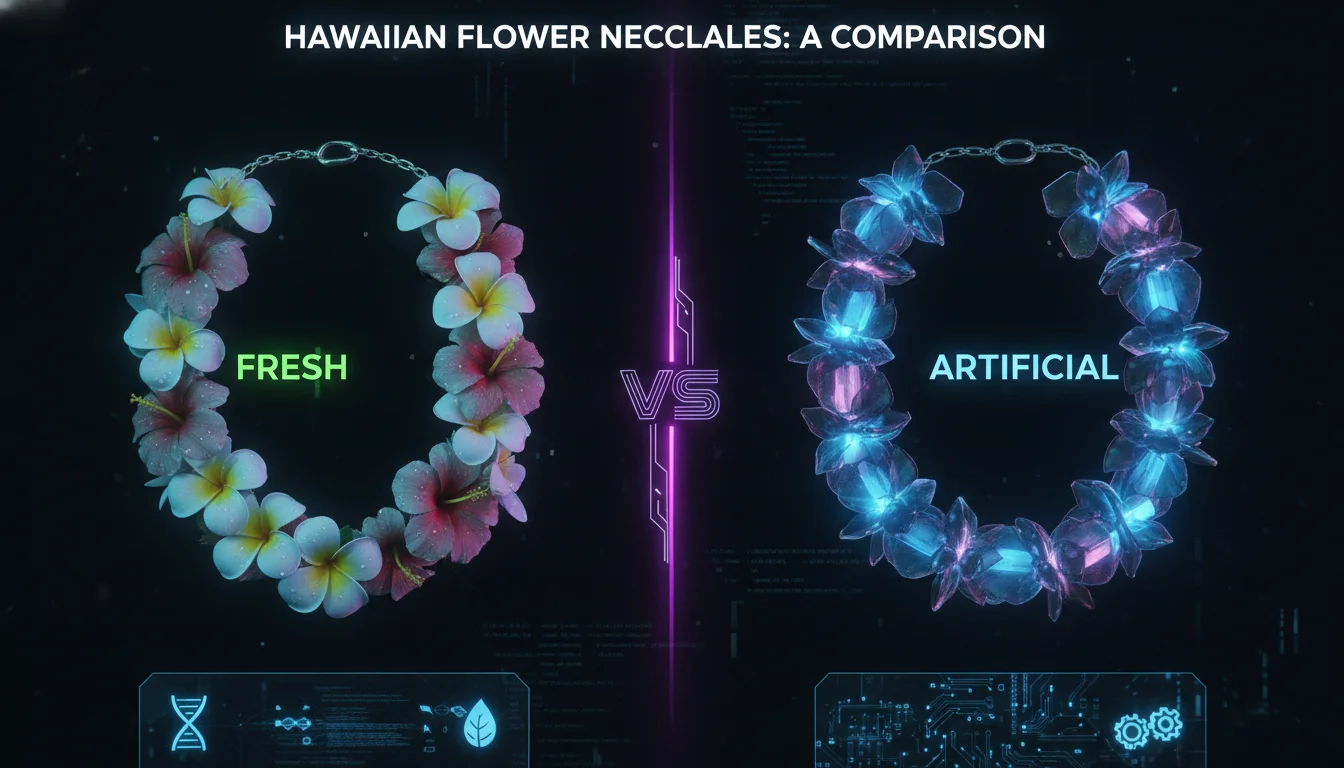
Which type should you choose? It depends on how long you need it to last and how much sensory experience matters to you. Here’s a detailed comparison table based on data from leading retailers:
| Type | Materials | Lifespan | Typical Price Range | Best For |
|---|---|---|---|---|
| Fresh Orchid Lei | Vandaceous orchids, string | 1-2 days (refrigerated) | $19.99-$95.00 | Arrival greetings, luaus, weddings |
| Silk Flower Lei (Bulk) | Polyester, cotton, ribbon | Years | $0.34-$2.00 per piece | Party favors, large events, reusable decor |
| Seashell Flower Necklace | Natural shells, cord, silver clasp | Indefinite | $11.95-$19.00 | Everyday beach wear, bohemian style |
| Kukui Nut Lei | Polished kukui nuts, ribbon, ti leaves | Indefinite | $17.33-$84.99 | Graduations, formal luaus, unisex gift |
| Gold Hibiscus Pendant | 14K gold, mother of pearl, diamonds | Lifetime | $959-$1,299+ | Luxury gift, anniversary, heirloom |
Sources: Hawaii Lei Stand, Amazon, Lavahut, Hawaiian Lei Company, Na Hoku.
Pros and Cons of Fresh Flowers
A fresh this kind of necklace is unmatched in sensory appeal: soft petals, an intoxicating fragrance, cool dampness against the skin. But its beauty is fleeting. Fresh leis wilt within hours in heat and need to stay chilled to survive a full day, and they’re fragile, since a tight hug or sudden downpour can crush delicate orchid blooms. For destination events, overnight shipping from Hawaiʻi ensures peak freshness, but the costs add up. On sustainability, though, they’re the clear winner: all materials are compostable, returning to the soil without a trace.
Why Choose a Permanent Hawaiian Flower Necklace?
Permanent leis remove the worry of wilting entirely. A silk or resin option can be packed in a suitcase, worn repeatedly, and even passed on as a keepsake. Seashell and nut leis are nearly indestructible and develop a lovely patina over time. Fine jewelry versions, while an investment, hold monetary and sentimental value; a gold plumeria pendant retains its luster and can be engraved or set with gemstones. For anyone who wants the look of a hawaiian flower daily without upkeep, permanent materials are the practical choice.
How to Wear and Style a Hawaiian Flower Necklace
Proper Etiquette for Wearing a Lei
Wearing a hawaiian flower necklace comes with a few cultural courtesies you’ll want to know. Always accept a lei with a smile and a kiss on the cheek or a warm embrace, since refusing one is considered deeply disrespectful. When it’s placed around your neck, let it drape gracefully over your shoulders, hanging down both the front and back. Never wear it like a pendant necklace or twist it into a single strand; the open, circular form is intentional. If you’re given an open-ended maile or ti leaf lei, wear the open ends at the front, symbolizing an open heart. This style of lei is traditionally associated with men’s formalwear, though anyone can wear one.
As for removal, never take off a lei in front of the person who gave it to you. If you must, do so discreetly later. When discarding a fresh lei, don’t simply throw it in the trash. Tradition suggests returning it to nature: place it in the ocean, bury it, or hang it in a tree, so its essence can rejoin the aina (land).
Styling a Flower Necklace for Different Occasions
A hawaiian flower necklace instantly elevates any outfit, and the styling options are nearly endless. For a casual beach day, pair a single-strand orchid lei or a shell flower necklace with a flowing sundress or a breezy linen top. Layer multiple colorful silk leis for a playful luau look, since Amazon’s bulk packs work well for this. Men can wear a simple kukui nut lei over a crisp aloha shirt for a polished island wedding look, and maile leis remain a classic choice for grooms and groomsmen.
For a formal event, a delicate gold plumeria pendant from Na Hoku adds subtle elegance to a cocktail dress or suit. Or go bold with a maile-style ti leaf lei, which drapes like a princely sash. The key is to let the lei be the focal point, keeping other jewelry minimal so the flowers can speak for themselves. If you’re sharing the moment on social media, natural light and an uncluttered background let the colors and textures of the lei really shine through the photo.
Step-by-Step: How to Make Your Own Fresh Flower Lei
Creating your own hawaiian flower necklace is a meditative craft that connects you to the tradition. Here’s a simple method:
- Gather materials: You’ll need 50-60 fresh, sturdy flowers (orchids or plumeria work best), a 100-inch length of cotton string or dental floss, and a long lei needle (at least 6 inches).
- Thread the needle: Double the string, leaving a 6-inch tail, and tie a large knot at the end. Insert the needle through the bloom’s center (for orchids, push it through the throat of the flower, careful not to tear).
- String the flowers: Slide each flower down to the knot, pushing them together gently to create a full, dense garland. Aim for about 30-40 flowers for a standard 40-inch lei.
- Create a pattern: Alternate colors or types of flowers for visual interest. For a fragrant lei, intersperse tuberose or pikake buds every few inches.
- Finish the lei: Once you reach the desired length, tie the two ends of the string together securely. Trim any excess, and optionally add a ribbon bow at the knot. Mist lightly with water and refrigerate until worn.
Lei-making kits, like the $48.50 set from the Hawaiian Lei Company, provide pre-picked blossoms, needles, and instructions for beginners.
Where to Buy Authentic Hawaiian Flower Necklaces
From Hawaiʻi with Love: Direct-from-Island Retailers
For the freshest and most culturally authentic hawaiian flower necklace, buy directly from Hawaiʻi-based companies. Hawaii Lei Stand ships fresh orchid, ti leaf, and haku leis overnight to the mainland U.S., with prices starting at $19.99. Their deluxe orchid and pikake leis are hand-stranded and arrive ready to wear. The Hawaiian Lei Company offers a wider selection, including fragrant tuberose, money leis, and bulk options for events, with a freshness guarantee.
For fine jewelry, Na Hoku and Maui Divers are the gold standard. Na Hoku’s Flowers of Hawaii Collection features 38 designs ranging from $539 to $6,500, all crafted in the islands. Maui Divers’ plumeria and hibiscus jewelry is also exclusively made in Hawaiʻi, ensuring your purchase supports local artisans.
“A lei is never just decoration. It’s a physical record of a relationship, a moment, or a milestone,” as jewelers at Na Hoku have described their approach to designing permanent lei-inspired pieces since 1924.
Online Marketplaces and What to Look For
Platforms like Amazon list over 2,000 results for “hawaiian flower necklace,” mostly bulk silk leis for parties. When shopping here, check seller location, since many are based in California or China and may not reflect authentic Hawaiian design. Look for reviews mentioning “natural materials” or “handcrafted” if you want a genuine island feel.
Lavahut, an online store based in Honolulu, bridges the gap with affordable handmade shell flower necklaces ($11.95-$19) designed in Hawaiʻi and shipped globally. Their pieces have a bohemian, beach-ready aesthetic perfect for everyday wear, and this season, stylists recommend pairing them with breezy resort silhouettes for a beach-to-dinner transition.
Caring for Your Hawaiian Flower Necklace
Preserving Fresh Flower Leis
To extend the life of a fresh hawaiian flower necklace, act quickly. Upon receiving it, lightly mist with water, wrap loosely in damp paper towels, and store in a plastic bag in the refrigerator. This can keep an orchid lei fresh for up to 2 days. Avoid direct sunlight and heat, which cause petals to brown and wilt within hours. If you want to preserve it as a memento, consider pressing the flowers between heavy books; they’ll retain their color for years.
Cleaning and Storing Jewelry Flower Necklaces
For gold or silver hawaiian flower necklace styles, regular cleaning maintains their brilliance. Use a soft jewelry cloth to remove tarnish and a mild soap solution for deeper cleaning, avoiding harsh chemicals that can damage pearls or mother of pearl inlays. Store each piece separately in a fabric-lined box to prevent scratching. Na Hoku offers a Forever Guarantee, which includes free cleaning and maintenance for life, a valuable perk when investing in heirloom-quality jewelry.
Bringing the Look Home: Resort Style Meets Island Tradition
You don’t need a trip to Hawaiʻi to bring lei-inspired beauty into your everyday wardrobe. As of this season, gold flower pendants and shell-inspired necklaces are showing up across resort collections as an easy way to channel that same sun-warmed, flower-draped feeling, whether you’re headed to Santorini, Tulum, or your own backyard. Pair a delicate flower pendant with a linen sundress and woven sandals for a look that feels as at home on a Mediterranean terrace as it does at a beachside luau. Explore our jewelry collection for pieces that echo this tropical, botanical spirit, or browse flowing resort dresses to complete the look.
Pros and Cons
Pros
- Fresh leis offer an unmatched fragrance and sensory experience found nowhere else
- Permanent options (gold, resin, shell) let you enjoy the look for years without upkeep
- A wide price range means there’s an option for every budget, from $0.34 party favors to $1,299 heirloom jewelry
- Symbolic meaning makes leis meaningful gifts for graduations, weddings, and celebrations
Cons
- Fresh flower leis last only about 1-2 days, even with refrigeration
- Authentic Hawaiʻi-made leis often cost more than mass-produced imports
- Fine jewelry versions require a larger upfront investment
- Some online marketplace listings misrepresent origin, so verifying seller location takes extra research
Frequently Asked Questions
What are the flower Hawaiian necklaces called?
The flower necklaces are called “leis” (pronounced “lay”). A lei is any garland worn around the neck, head, or wrist, traditionally made from fresh flowers, leaves, shells, or seeds.
Is it okay to wear a lei?
Absolutely. Leis are given and worn by anyone regardless of age, gender, or background. The key is to wear it respectfully, draped over the shoulders, and never refuse one when offered.
How do you pronounce the Hawaiian flower necklace?
The word “lei” is pronounced like “lay” (as in a garland), not “lee.” The plural is simply “leis.” The Hawaiian language has only 13 letters, and each vowel is pronounced clearly.
What is that Hawaiian flower called?
The iconic flower often seen in leis is the plumeria (also known as frangipani), but many others are used, including orchid, pikake (jasmine), tuberose, and the native ʻōhiʻa lehua.
Can you bring a fresh Hawaiian flower necklace home from Hawaiʻi?
Yes, but with restrictions. The U.S. Department of Agriculture allows most flower leis to be taken to the mainland after inspection at the airport. However, leis containing citrus leaves, lychee, or certain berries are prohibited, so always check current regulations before traveling.
What does a Hawaiian flower necklace symbolize?
A lei symbolizes aloha: love, respect, welcome, celebration, and connection. The specific meaning can vary by occasion, such as graduation, farewell, or honor, but it’s always a tangible representation of the bond between the giver and receiver.
Ready to bring a little island warmth into your everyday style? Shop the collection at lexazi.com, where flower-inspired jewelry and resort-ready pieces are made for sun-soaked days ahead, free shipping on orders over $75.