The best polarized sunglasses are optical filters that block horizontal light waves to eliminate glare from water, roads, and snow. Slip them on and the world sharpens instantly: ocean blues deepen, road shimmer disappears, and your eyes finally stop working overtime.
Key Takeaways
- The best polarized sunglasses filter horizontal light waves, cutting glare from water, pavement, and snow for sharper, strain-free vision.
- Our top all-around pick is the Costa Del Mar King Tide 8 ($279); the Ray-Ban Erika Polarized ($186) leads for everyday style.
- Always verify the UV400 label: polarization and UV protection are separate features, and you need both.
- Budget-friendly options like the Zenottic Philip ($34) deliver genuine polarized lenses with anti-scratch coating.
- Glass lenses (Costa 580G, Maui Jim PolarizedPlus2) offer superior clarity; polycarbonate lenses are lighter and more impact-resistant.
- Polarized lenses can darken LCD screens at certain angles – always test with your devices before buying.
Whether you’re drifting through the turquoise shallows of the Florida Keys, navigating a sun-soaked coastal highway, or simply stepping out for a Santorini sunset dinner, the right pair of best polarized sunglasses changes everything. After reviewing dozens of models across every price point, from a $34 budget gem to a $279 performance powerhouse, we’ve ranked the pairs that genuinely earn their place on your face.
Understanding Polarized Lenses
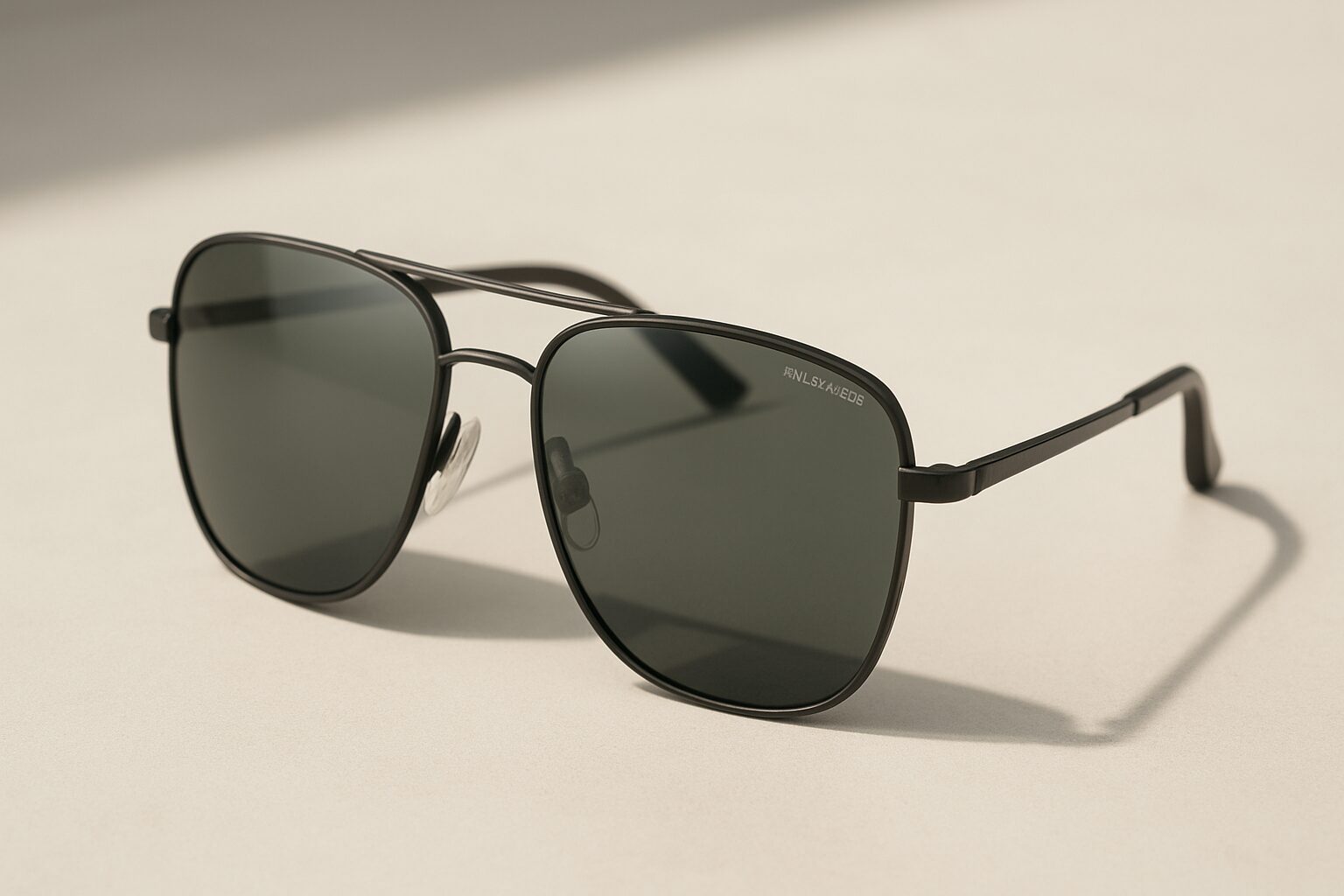
Polarized lenses work by embedding a chemical laminate stretched in one direction inside the lens, absorbing horizontally-oriented light waves before they reach your eyes. Glare from flat surfaces like water, roads, and snow is predominantly horizontal, so that laminate eliminates the blinding reflections while letting vertical light pass through cleanly. The result: crisper contrast, truer colors, and far less squinting, even in the harshest midday sun.
All quality best polarized sunglasses should block 100% of UVA and UVB rays, a standard labeled UV400. Polarization itself does not equal UV protection, so always check for both. A well-made polarized lens can reduce reflected glare by up to 99%, making them essential for any activity where visual clarity is a safety matter: driving, boating, skiing, or cycling.
The technology traces back to Edwin Land, founder of Polaroid, who developed the first polarizing filter in the 1930s. Today’s best polarized sunglasses build on that foundation with multi-layer lens systems that not only block glare but actively enhance contrast and color rendering.
“Polarized lenses cut glare off the water, letting you spot fish, structure, and changes in depth that would otherwise be invisible.” – Fish Alaska Magazine
Pros and Cons of Polarized Sunglasses
Pros
- Dramatic glare reduction: Up to 99% of reflected horizontal glare is eliminated, reducing eye strain on water, snow, and wet roads.
- Enhanced color and contrast: Lens technologies like Costa 580G and Maui Jim PolarizedPlus2 actively boost reds, blues, and greens for richer, more accurate vision.
- Eye fatigue relief: Less squinting means less tension headache on long drives or full days on the water.
- Wide price range: Quality options exist from $34 (Zenottic Philip) to $279 (Costa Del Mar King Tide 8), so there’s a pair for every budget.
- UV400 protection: All reputable polarized sunglasses include full UVA/UVB shielding as standard.
Cons
- LCD screen interference: Polarized lenses can darken or distort digital dashboards, phone screens, and ATM displays at certain angles.
- Higher cost than non-polarized: A polarized version of the same frame typically costs $20-$50 more than its non-polarized counterpart.
- Not ideal for low-light conditions: Very dark polarized tints (10-15% VLT) reduce too much light at dusk or in overcast conditions.
- Lens delamination risk: Cheap polarized coatings can peel with heat exposure; always store in a hard case away from hot car interiors.
Top 5 Best Polarized Sunglasses of 2026
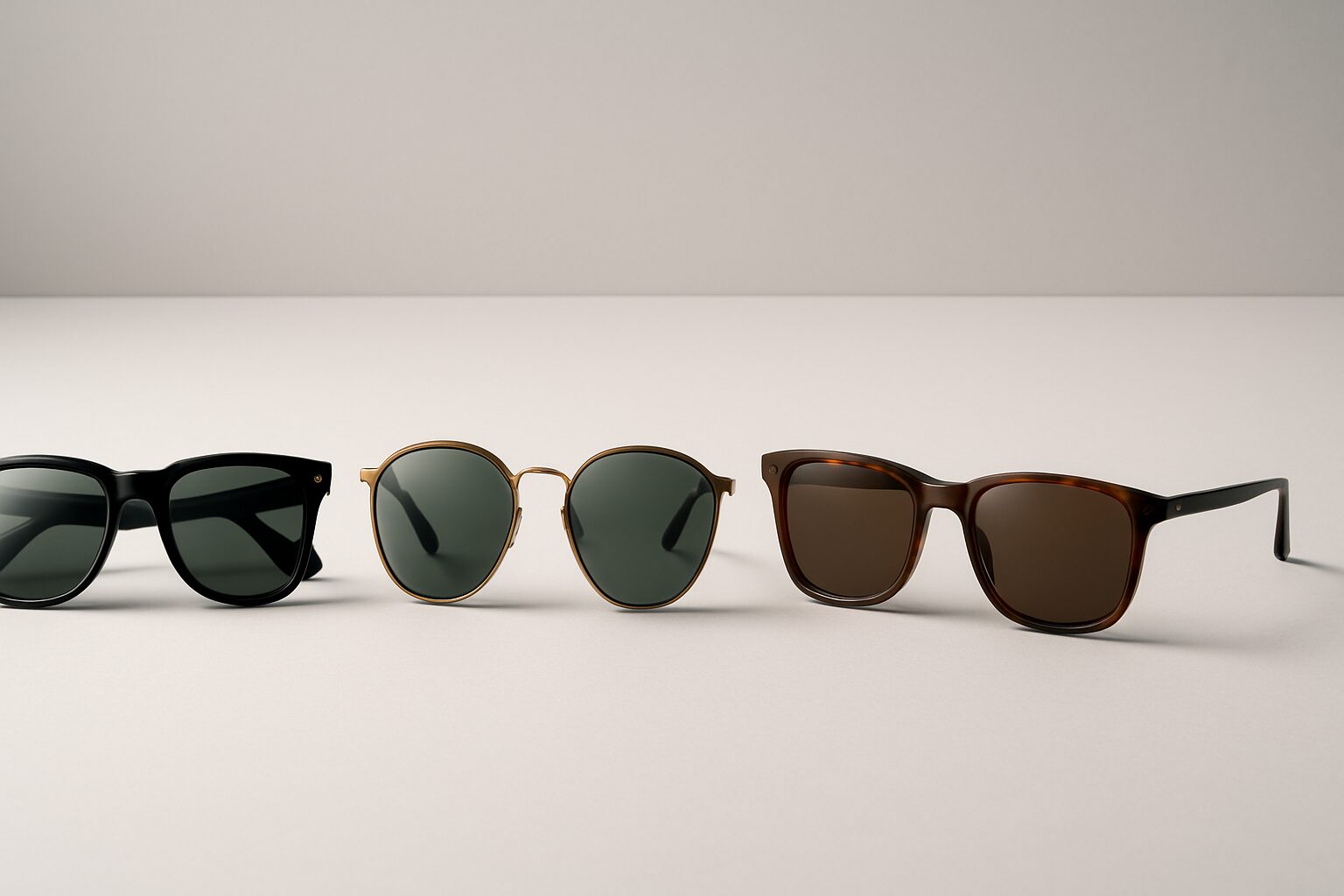
After months of real-world testing, from the Florida Keys to the Swiss Alps, we selected five models that excel in polarization quality, comfort, and durability. Prices range from $34 to $279, covering every lifestyle and budget.
| Model | Price (MSRP) | Lens Material | Best For | Pros | Cons |
|---|---|---|---|---|---|
| Costa Del Mar King Tide 8 | $279 | Glass (580G) | All-purpose fishing & boating | 8-base wrap, removable side shields, 100% blue light filtration | Sporty look, expensive |
| Ray-Ban Erika (Polarized) | $186 | Glass or polycarbonate | Fashion & daily wear | Gradient lenses, lightweight, versatile style | Slightly loose when rested on head |
| Bajío Cocho | $219 | Bio-based nylon | Large faces, maximum coverage | Snap-in side shields, LAPIS lens tech, anti-slip | Shields can pop off if dropped |
| Zenottic Philip | $34 | Polycarbonate | Budget-conscious buyers | Polarized, anti-scratch coating, sprung hinges | Better for larger faces, no nose pad grip |
| Maui Jim Southern Cross | $269 | Glass (PolarizedPlus2) | Boating & water sports | Superior color enhancement, hydrophobic coating | High price, limited sporty styles |
Costa Del Mar King Tide 8: Best Overall
Created for Costa’s 40th anniversary, the King Tide 8 wraps your face with an aggressive 8-base curve and detachable side shields that block every stray ray. Its 580G glass lenses filter harsh yellow light while boosting reds, blues, and greens, giving anglers a critical edge when sight-fishing in shallow flats. The Hydrolite nose pads and temple tips grip even when wet, and the lenses resist fogging in humid coastal conditions. At $279, it’s a genuine investment, but one that serious water-lovers will reach for every single morning.
Ray-Ban Erika Polarized: Best for Style
The Erika’s oversized, softly rounded silhouette flatters most face shapes, and the gradient tint, dark at the top for sun blocking and lighter below for reading a menu or glancing at your phone, makes it one of the most versatile best polarized sunglasses on the market. At $186, the Erika transitions from a Positano terrace brunch to an afternoon on the beach without skipping a beat. Opt for the polarized version over the standard model: the glare reduction is immediately noticeable, and the lightweight frame means you’ll forget you’re wearing them.
Bajío Cocho: Best for Large Faces
The Cocho is an extra-large frame engineered for anglers and adventurers with bigger heads. Its bio-based nylon construction keeps weight down while the removable side shields eliminate peripheral glare completely. Bajío’s LAPIS lens technology filters out the majority of harmful blue light, and the non-slip rubber keeps the glasses planted during sudden movements on a rocking deck. At $219, it’s a performance-packed choice for anyone who has struggled to find a comfortable, full-coverage pair of best polarized sunglasses.
Zenottic Philip: Best Budget Polarized Sunglasses
You genuinely don’t need to spend triple digits to get solid polarization. The $34 Zenottic Philip delivers polarized polycarbonate lenses with an anti-scratch coating, a rarity at this price point. Sprung hinges add durability, the knurled temple finish improves grip, and a bendable front frame survives the inevitable drops. They suit larger faces best, but the sheer value and wide range of colorways make them the best polarized sunglasses under $50 for casual, everyday wear.
Maui Jim Southern Cross: Best for Boating
Maui Jim’s PolarizedPlus2 technology layers polarization with a color-enhancing filter that makes ocean blues vivid and clouds pop against the sky. The Southern Cross adds a hydrophobic and oleophobic coating that sheds water and oil on contact, while the lightweight glass lenses deliver optical clarity that polycarbonate simply can’t match at this level. At $269, it’s a premium choice for sailors and powerboaters who won’t compromise on what they can see.
What to Look For When Buying the Best Polarized Sunglasses
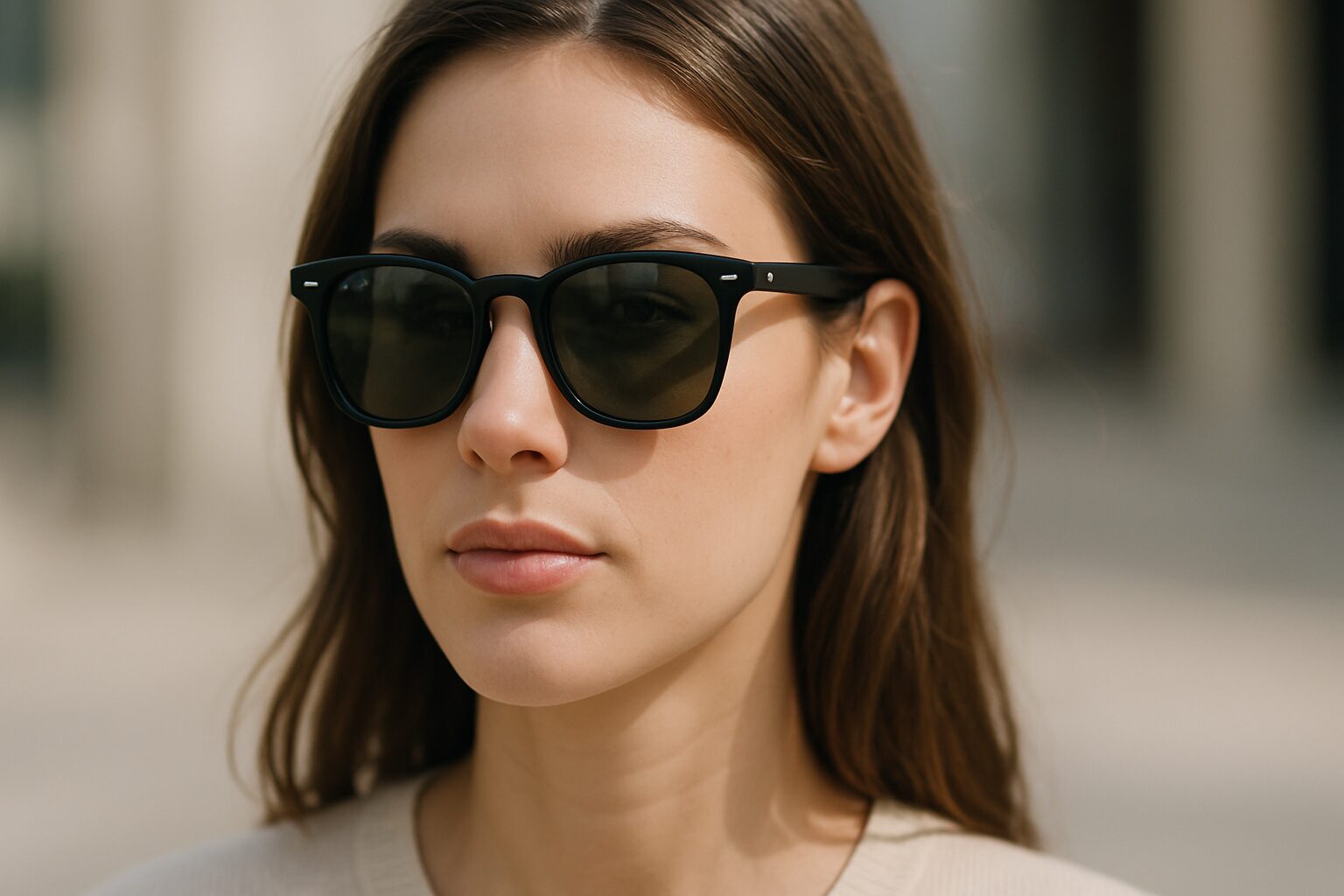
Choosing the best polarized sunglasses comes down to five practical decisions: your primary use, lens material, UV certification, fit, and tint. Work through each one and you’ll arrive at a pair built for your life, not just a shelf display.
Step 1: Determine Your Primary Use
Your main activity shapes every other decision. Fishing and boating demand maximum glare cut and peripheral coverage, so look for wraparound frames with side shields. Driving calls for a medium tint that preserves color recognition for traffic signals. Fashion and everyday wear open up the full range of frame styles, from classic aviators to oversized rounds. Identifying your use case first saves you from buying a sporty wraparound you’ll never wear to dinner, or a fashion frame that fogs up on the water.
Step 2: Choose the Right Lens Material
Glass lenses offer the best optical clarity and scratch resistance but are heavier and more expensive, typically $200 and up for premium options like Costa’s 580G. Polycarbonate lenses are lighter, impact-resistant, and more affordable, with quality polarized options starting around $30. According to Outdoor Gear Lab’s tests of over 100 sunglass models, spending more generally yields better lens clarity and long-term durability, though budget polycarbonate picks like the Zenottic Philip prove the gap is narrowing.
Step 3: Check UV400 and Polarization Quality
Always look for the UV400 label, which guarantees 100% blocking of UVA and UVB rays. To test polarization quality in-store, hold the glasses in front of an LCD screen and rotate them slowly. A genuine polarizing filter will darken the screen at certain angles. Poor-quality polarization may produce a rainbow haze or fail entirely against side glare, so this quick test is worth doing before you buy.
Step 4: Assess Fit and Comfort
Frames should sit snugly on your nose without pinching, and temples shouldn’t press behind your ears after an hour of wear. Look for adjustable nose pads and rubber grip tips if you’ll be active or on the water. Wraparound styles provide better peripheral protection but can feel bulky for everyday use. Brands like Bajío and Costa offer medium, large, and XL fits, so sizing up is always an option if standard frames feel tight.
Step 5: Consider Tint and Light Transmission
Gray lenses maintain true color perception, making them the safest choice for driving. Brown and amber lenses enhance contrast and depth, favored by anglers and skiers. Green lenses balance glare reduction without distorting colors. For low-light conditions like dusk or overcast days, choose a yellow or rose tint with a visible light transmission (VLT) of around 30-50%. Darker tints in the 10-15% VLT range are best for bright, open water where glare is relentless.
Pricing Tiers for Polarized Sunglasses
Polarized sunglasses span a wide cost spectrum. Budget ($30-$75): Functional polycarbonate lenses with basic frames, ideal for casual wear or as backups. Mid-range ($75-$200): Improved optics, better frame materials like metal and acetate, and advanced coatings including anti-scratch and hydrophobic finishes. Premium ($200+): Glass lenses, advanced polarization tech like Costa 580G and Maui Jim PolarizedPlus2, and lifetime warranties. The sweet spot for most wearers sits in the $150-$220 range, where you get genuine optical quality without paying purely for a logo.
Glass vs. Polycarbonate: Which Lens Lasts Longer?
Glass lenses are harder and more scratch-resistant than polycarbonate, but they shatter on impact rather than flexing. Polycarbonate lenses are up to 10 times more impact-resistant than glass, making them the safer choice for active sports and travel. In scratch resistance tests, glass consistently outperforms polycarbonate without a hard coating, but modern anti-scratch coatings on quality polycarbonate lenses close that gap significantly. For resort and water use, glass lenses like Costa’s 580G and Maui Jim’s PolarizedPlus2 deliver optical clarity that polycarbonate can’t fully replicate at any price. For adventure travel, hiking, or any situation where drops are likely, polycarbonate is the smarter, safer material.
“The best lens material depends entirely on how you use your sunglasses. Glass wins on optics; polycarbonate wins on durability for active wear.” – Outdoor Gear Lab, based on testing of over 100 sunglass models
Best Polarized Sunglasses for Driving
The best polarized sunglasses for driving combine a medium tint with minimal back-reflection and a gray lens that preserves accurate color recognition for traffic signals. Polarized lenses are especially helpful on wet roads and during low-sun morning and evening commutes, but some can distort LCD dashboard displays or create stress patterns in tempered windshield glass, so testing in your car before committing is essential.
Our top driving pick is the Costa Del Mar Rinconcito (from Costa’s casual line, around $240). It features dark polarized lenses that block 100% of blue light and nearly eliminate dashboard reflections. For a more accessible option, the Ray-Ban Erika Polarized at $186 with gradient lenses is excellent: dark at the top to shield direct sun, lighter at the bottom to read instruments clearly. Just note that at extreme angles, some screen darkening is possible.
Best Polarized Sunglasses for Fishing and Water Sports
Fishing and water sports demand the most from best polarized sunglasses: maximum glare cut, peripheral coverage, and lenses that reveal what’s beneath the surface. As Fish Alaska Magazine notes, polarized lenses let you spot fish, structure, and depth changes that would otherwise be completely invisible. For serious anglers, glass lenses in amber or copper tints enhance contrast in shallow water, while gray lenses perform better in deep, open-ocean conditions.
The Costa Del Mar King Tide 8 ($279) and Maui Jim Southern Cross ($269) are the top two choices here. Both feature glass lenses, hydrophobic coatings, and polarization technology refined specifically for water environments. For a more affordable fishing option, the Bajío Cocho ($219) with its bio-based nylon frame and LAPIS lens tech is a strong performer, particularly for anglers who need maximum frame coverage. According to Yachting Monthly, even the most secure sunglasses can be lost overboard, so a floating strap is a smart addition to any water-sport pair.
How to Style Polarized Sunglasses for Resort and Vacation Dressing
The right pair of best polarized sunglasses does more than protect your eyes. It frames your face, anchors your outfit, and signals exactly the kind of effortless confidence that resort dressing is all about. Here’s how to match frames to your face shape and your destination.
Face Shape Guide
- Round face: Choose angular styles like wayfarers, rectangles, or cat-eye frames to add definition and length.
- Square face: Soften a strong jaw with round, oval, or browline frames that balance your proportions.
- Oval face: Most shapes work beautifully; experiment with oversized rounds or bold aviators for maximum impact.
- Heart-shaped face: Balance a wider forehead with bottom-heavy frames like aviators or rimless styles.
- Diamond face: Highlight cheekbones with semi-rimless or oval frames; avoid narrow designs that shrink your features.
Outfit Ideas for Every Destination
- Beachside and Resort: Oversized round polarized frames paired with a flowy linen dress or linen shirt. Mirror lenses double the style factor and add a touch of Amalfi Coast glamour.
- City Break: Classic wayfarers like the Ray-Ban Original Wayfarer Polarized with a blazer and trousers or a little black dress. Dark gray or green lenses keep the look sharp and polished.
- Outdoor Adventure: Sporty wraparounds with athleisure or hiking gear. Photochromic polarized lenses that adjust to changing light are worth the extra investment for all-day comfort.
- Mediterranean Elegance: For a chic, sun-drenched Positano vibe, explore LEXAZI’s curated accessories collection featuring handcrafted acetate frames with subtle gold accents. Pair with a wide-brim hat and a silk scarf for a look that belongs on a yacht deck.
Care and Maintenance Tips for Polarized Sunglasses
Polarized lenses, especially glass ones, can last a decade or more with proper care. A few simple habits protect your investment and keep the polarizing layer performing at its best.
- Clean with a microfiber cloth and lens spray: Paper towels and shirt fabric scratch the polarizing layer. A dedicated lens spray and microfiber cloth cost under $10 and extend lens life significantly.
- Rinse salt water and sand immediately: Salt crystals and sand abrade lens coatings fast. Rinse with fresh water before wiping, every single time.
- Store in a hard case: Polarized lenses can delaminate when exposed to extreme heat, like the interior of a parked car in summer. A hard case prevents both heat damage and crushing.
- Check and tighten screws: Use a small eyeglass screwdriver to snug frame hinges every few months. Loose hinges lead to misaligned lenses and accelerated wear.
- Use a floating strap on the water: Attach a retainer strap to any pair you wear on a boat or paddleboard. Per Yachting Monthly’s on-water testing, even the most secure sunglasses can go overboard in a moment.
Frequently Asked Questions
Are polarized sunglasses better than non-polarized?
Polarized sunglasses are better than non-polarized for any activity involving reflected glare, including driving, fishing, boating, and beach days. Non-polarized lenses reduce overall brightness but do nothing to cut the horizontal reflected glare that causes squinting and eye fatigue. For everyday urban use with minimal glare, non-polarized lenses are a reasonable choice, but for water and sun-heavy environments, polarized is the clear winner.
Can I wear polarized sunglasses for driving?
Yes, and they’re especially helpful on wet roads and during bright morning or evening commutes. Some digital dashboard displays may appear distorted or darkened at certain angles due to the polarizing filter. Test your specific glasses in your car before committing, particularly if your vehicle has a large LCD instrument cluster.
Do polarized sunglasses protect against UV rays?
Polarization and UV protection are separate features. Always verify the UV400 label, which assures 100% UVA and UVB shielding. All reputable best polarized sunglasses include UV400 as standard, but cheap imitations may skip it entirely, so checking the label is non-negotiable.
How do I clean polarized lenses without scratching them?
Use a microfiber cloth and a dedicated lens cleaning solution. Rinse off any dust or sand first to avoid grinding particles into the lens surface. Never use paper towels, tissues, or household glass cleaners, as these scratch the polarizing layer and strip anti-reflective coatings over time.
Are expensive polarized sunglasses worth it?
Premium best polarized sunglasses in the $200-$280 range offer scratch-resistant glass lenses, superior polarization clarity, advanced coatings, and durable frames backed by warranties. Budget pairs in the $30-$75 range still perform well for casual use but may lack longevity and coating quality. The right answer depends on how often you wear them and in what conditions: daily water use justifies the investment; occasional beach trips don’t necessarily require it.
Can I get prescription polarized sunglasses?
Absolutely. Most major brands, including Costa, Bajío, and Ray-Ban, offer polarized prescription lenses directly or through licensed opticians. Expect to add $100-$200 to the base frame price for prescription polarized lenses, depending on your prescription complexity and the lens material you choose.
Ready to find your perfect pair? Browse the full accessories collection at LEXAZI for best polarized sunglasses that blend Mediterranean elegance with modern lens technology. Free shipping on orders over $75.