The best earrings for sensitive ears are crafted from hypoallergenic materials like implant-grade titanium, 14k gold fill, or 316L surgical steel to prevent allergic reactions. Think nickel-free posts, flat screw backs, and designs so comfortable you forget you have them on.
Key Takeaways
- Hypoallergenic materials matter: Opt for implant-grade titanium (F-136), 14k gold fill, or 316L surgical steel to avoid nickel reactions.
- Earring backs impact comfort: Flat screw backs or hinged hoops reduce pressure and trapped moisture throughout the day.
- Price range varies widely: Quality pairs start from $12 up to $500+ depending on material and design.
- Avoid plated jewelry: Gold or silver plating wears off over time, exposing skin to irritating base metals like nickel.
- Test before committing: Brands like Grayling and Pierced Co offer 30-day returns or money-back guarantees for sensitive ears.
- Gold fill is not plating: It is a thick layer of solid 14k gold bonded to a brass core, making it far more durable and skin-safe than plated alternatives.
Understanding Sensitive Ears and Earring Allergies
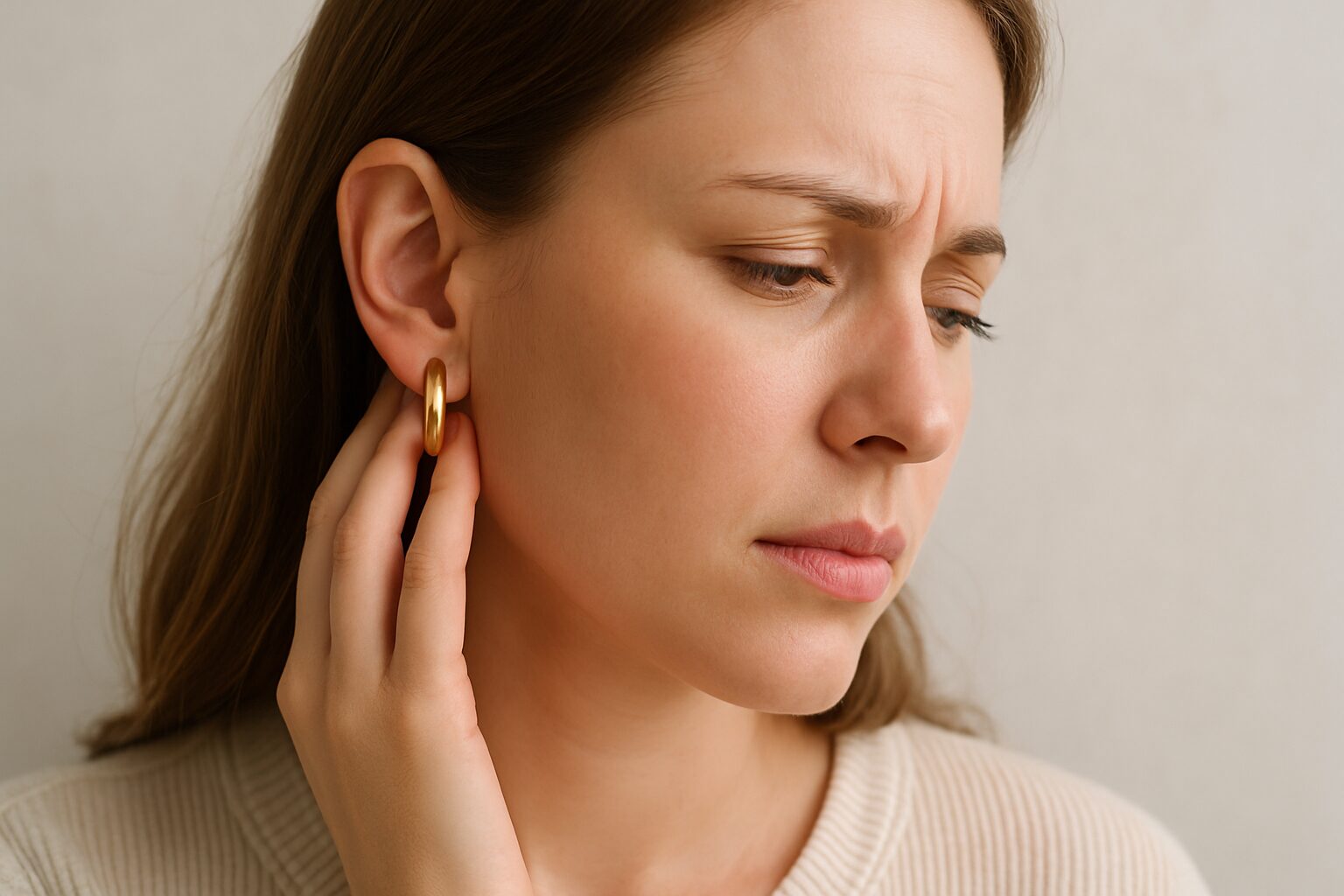
Sensitive ear reactions are almost always triggered by nickel, a metal found in the majority of costume jewelry and many plated pieces. According to the American Academy of Dermatology, nickel allergy is one of the most common causes of contact dermatitis, affecting a significant portion of women who wear earrings regularly. The good news: finding the sensitive ears is entirely about knowing which materials to seek out and which to skip.
“Our founder struggled with allergic reactions for years, and her mission is to rid the world of itchy earrings. We craft exclusively in F-136 implant-grade titanium and solid 14k gold for a comfy fit without itching or scarring.” – Grayling Jewelry
If your lobes turn red, itch, or swell within hours of putting in a new pair, you are almost certainly reacting to nickel or another base metal in the post or back. The fix is not to stop wearing earrings. It is to upgrade your materials.
What Causes Earring Irritation?
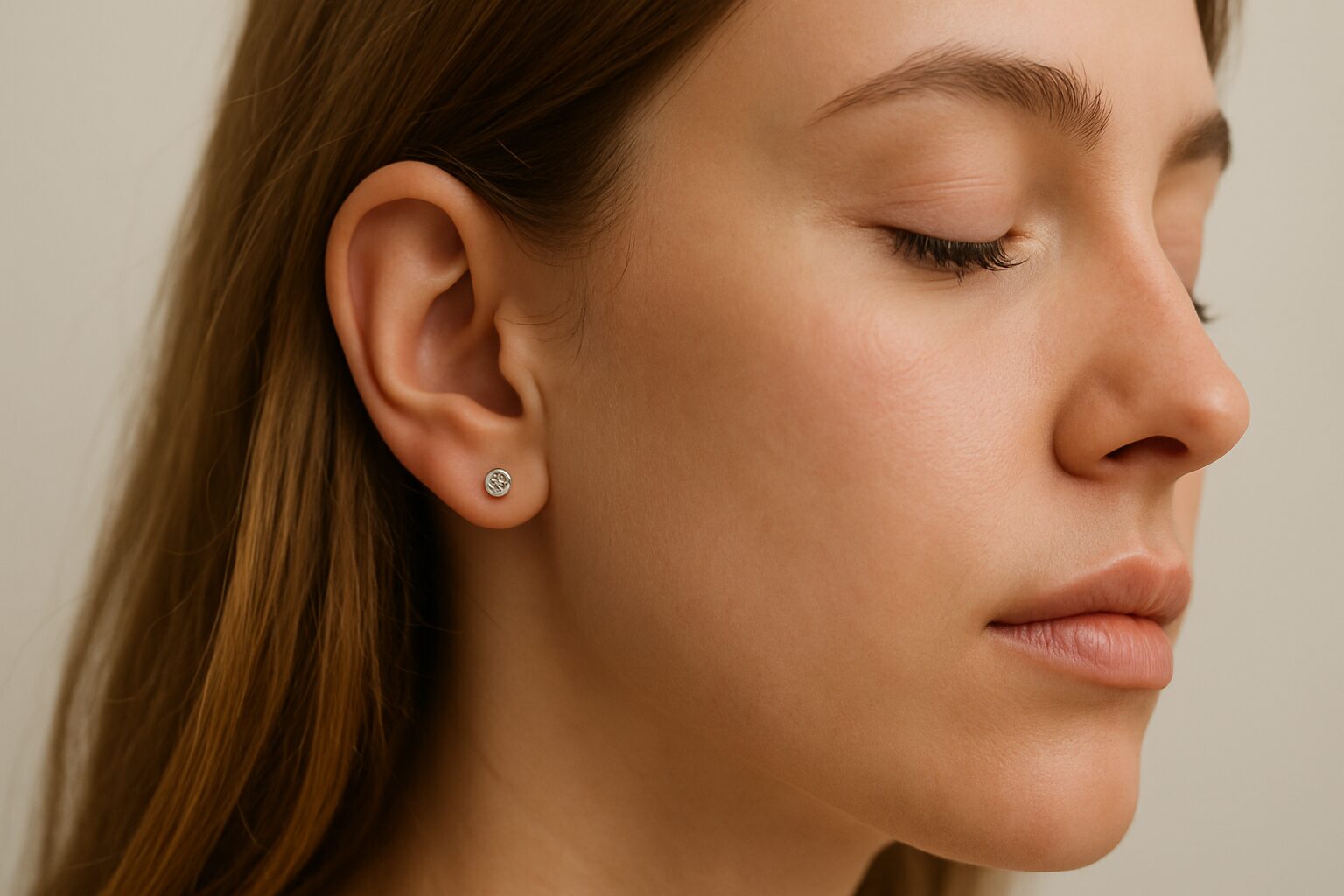
Nickel allergy is the leading cause of sensitive ear reactions, triggering contact dermatitis: a red, itchy rash that can progress to blistering if ignored. This metal hides in costume jewelry, gold-plated pieces, and even some “surgical steel” alloys that have not been independently verified. Even labels that read “nickel-free” can be misleading, as trace amounts may still exist in unregulated products. The safest path is selecting materials that are genuinely biocompatible, such as F-136 titanium or high-karat solid gold. Healthline notes that contact dermatitis from nickel is among the most frequently reported skin reactions linked to jewelry.
Best Earrings for Sensitive Ears: A Material Guide
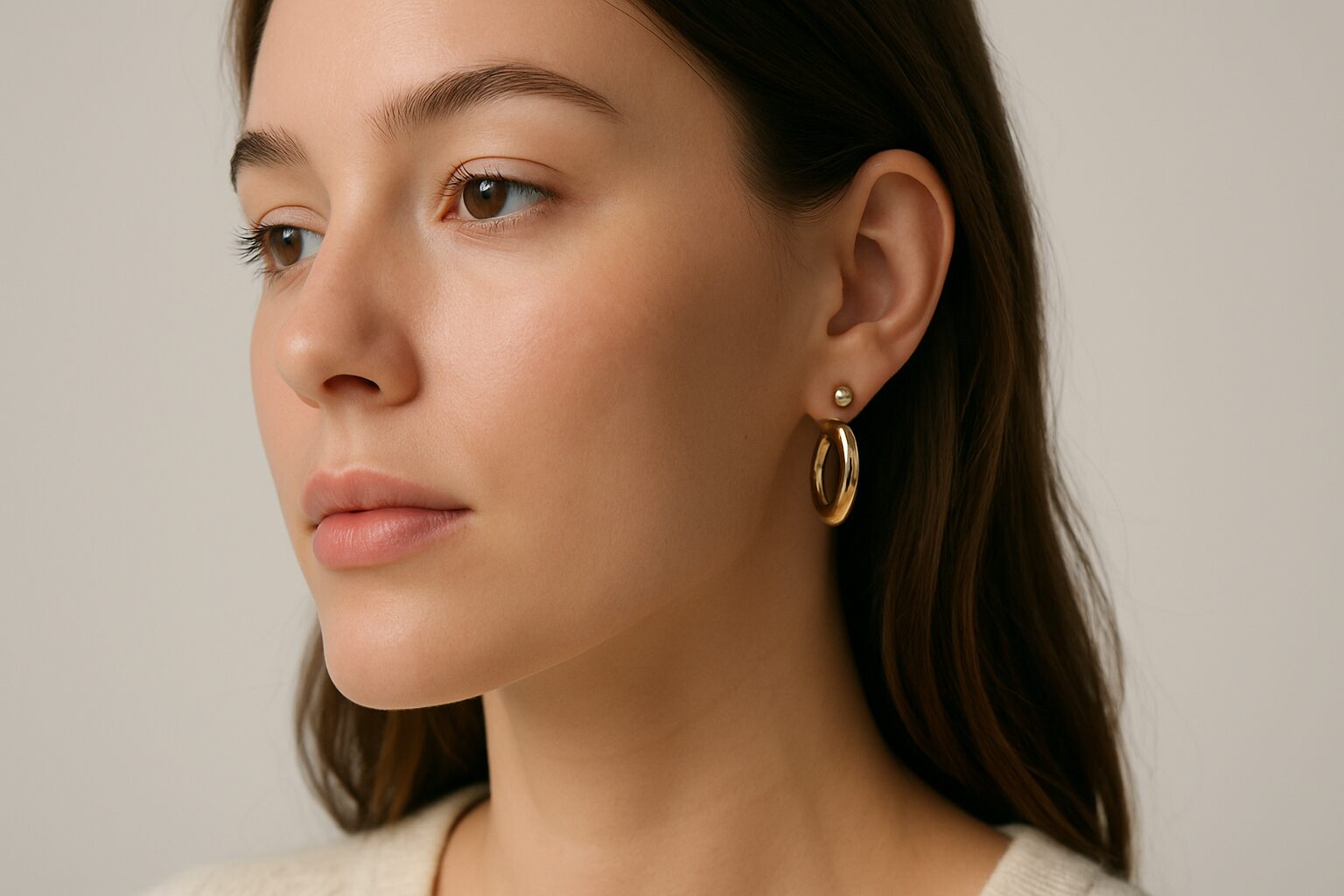
Your choice of metal is the single most important factor when choosing the this type of ears. Below is a breakdown of the top hypoallergenic materials, ranked from most to least recommended for reactive skin.
| Material | Hypoallergenic Rating | Durability | Price Range | Best For |
|---|---|---|---|---|
| Implant-Grade Titanium (F-136) | Excellent (100% nickel-free) | High: tarnish-proof, waterproof | $30 – $80 | Everyday wear, swimming, showering |
| 14k Gold Fill | Very Good (thick gold layer) | High: won’t chip or peel | $25 – $100+ | Classic styles, long-term use |
| Surgical Stainless Steel (316L) | Good (low nickel release) | High: resists corrosion | $12 – $50 | Budget-friendly, active lifestyles |
| Solid 14k/18k Gold | Excellent | Excellent: will not tarnish | $100 – $500+ | Luxury, heirloom pieces |
| Sterling Silver (925) | Moderate (may contain nickel) | Medium: can tarnish over time | $15 – $60 | Silver-toned looks, occasional wear |
A quick note on sterling silver: it is an alloy containing 92.5% pure silver, with the remaining 7.5% often made up of copper or other metals. Some manufacturers use nickel in that remaining fraction, so always confirm the alloy composition before buying if your skin is reactive.
Gold fill deserves a special mention here. Unlike thin plating that wears away within months, gold fill is a thick layer of solid 14k gold mechanically bonded to a jeweler’s brass core. As of Summer 2026, gold fill remains one of the most popular accessible-luxury options for sensitive ears, offering the look of solid gold at a fraction of the price, typically $25 to $100.
“Implant-grade titanium meets ASTM F-136 standards, the same specification used in surgical implants. Its biocompatibility is so well established that it is routinely used inside the human body without adverse reaction.” – per Wikipedia’s entry on titanium biocompatibility
The Role of Earring Backs in Preventing Irritation
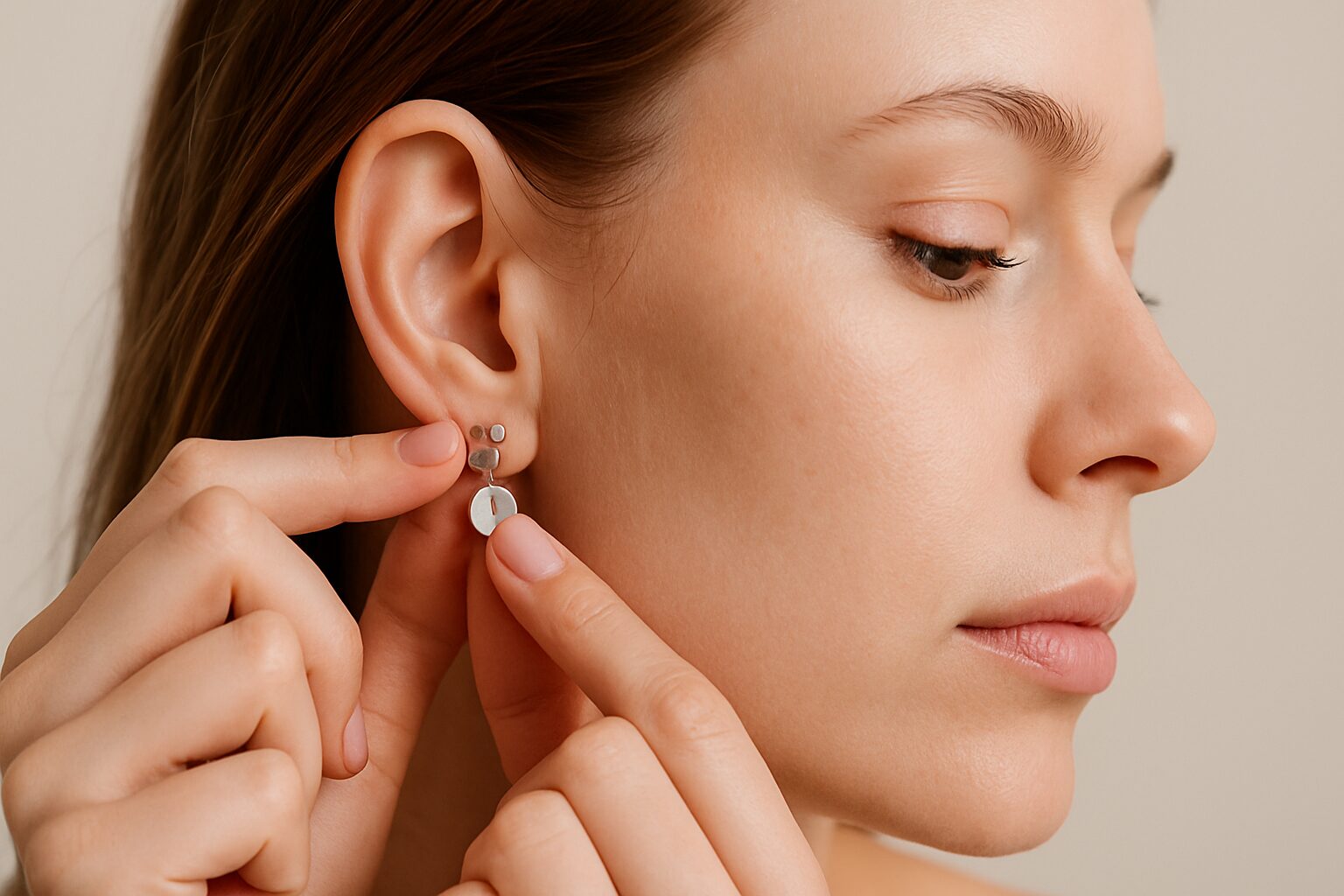
The this kind of sensitive ears pair a hypoallergenic post with an equally skin-safe back closure. Even the purest titanium post will cause problems if the back traps moisture and presses hard against your lobe all day.
Traditional butterfly backs press the earring post tightly against the skin, creating a warm, moist environment where bacteria thrive. Flat backs sit smoothly against the lobe, allowing airflow and reducing friction. Brands like Pierced Co and Comfy Earrings use flat screw backs that stay secure without applying constant pressure. Pierced Co even offers a money-back guarantee if your ears react, and provides free shipping on orders over $50, which makes trying a new back style essentially risk-free.
Silicone spacers are another underrated tool. Slide one onto the post to adjust fit and prevent drooping, a common issue for those with thinner lobes. Small detail, big difference in daily comfort.
Top Styles of Best Earrings for Sensitive Ears
From minimalist studs to statement hoops, the best earrings for sensitive ears come in every shape imaginable. Here are the most popular styles worth knowing.
1. Hypoallergenic Stud Earrings
Classic and endlessly versatile, studs are the foundation of any sensitive-ear wardrobe. Look for styles with cubic zirconia, opal, or pearl inlays set in titanium or gold fill. Brands like Tini Lux and Grayling offer dainty solitaire studs designed for 24/7 wear, priced between $22 and $65. They are the earring equivalent of a white linen shirt: always right, always comfortable.
2. Comfort-Fit Hoops
Small huggie hoops with hinged segments or clicker closures are ideal for sensitive lobes. They avoid sharp posts entirely and are widely available in 14k gold fill or surgical steel. The Weightless Huggie from Grayling, priced at $38, is a customer favorite for its barely-there feel. Huggie hoops in the $30 to $60 range are the sweet spot for accessible luxury without compromising on skin safety.
3. Flat Back Earrings
Designed for 24/7 wear, flat back earrings feature a disc-shaped back that sits flush against the ear. They are perfect for cartilage piercings or as everyday sleeper earrings, preventing the irritation caused by traditional posts. Comfy Earrings, which has been selling waterproof hypoallergenic earrings since 2010, specializes in implant-grade titanium flat backs across a wide range of styles.
4. Drop and Dangle Earrings
For special occasions, choose dangle earrings made with hypoallergenic French ear wires in 14k gold fill or verified sterling silver. Simply Whispers offers a range of nickel-free dangle earrings safe for sensitive ears, with most styles falling in the $20 to $55 range. A pair of delicate gold-fill drops is the kind of investment piece that works from a rooftop dinner in Santorini to a coastal wedding weekend back home.
Brand Comparison: Tini Lux vs. Pierced Co vs. Grayling
Choosing between the top brands for sensitive ears comes down to your priorities: material purity, price, or style range. Here is how the three leading names compare as of Summer 2026.
| Brand | Primary Material | Price Range | Shipping Policy | Return Policy |
|---|---|---|---|---|
| Tini Lux | Implant-grade titanium (F-136) | $28 – $75 | Free over a threshold | Standard returns |
| Pierced Co | 316L surgical steel, titanium | $15 – $60 | Free over $50 | Money-back if ears react |
| Grayling Jewelry | F-136 titanium, solid 14k gold | $22 – $120+ | Free over $100 | 30-day easy returns |
All three brands position themselves as accessible luxury options for women who refuse to choose between comfort and style. Tini Lux leans into minimalist titanium studs. Pierced Co focuses on screw-back security. Grayling blends fine jewelry aesthetics with medical-grade materials. Budget-conscious shoppers can also find solid entry points on Amazon: GOGOEY’s 5-pair titanium sets, for example, retail for around $12.99 and are a practical starting point for testing titanium before investing in a premium brand.
Best Earrings for Sensitive Ears for Kids and Teens
Children’s ears are even more reactive than adults’, making material choice critical for first piercings and everyday wear. Pediatric dermatologists consistently recommend implant-grade titanium (F-136) or solid 14k gold for children’s earrings, as these materials carry virtually zero risk of nickel-triggered contact dermatitis. Avoid any plated or costume jewelry for kids entirely.
Flat back studs in titanium are the gold standard for newly pierced ears in children aged 5 and up. They stay secure during active play, resist bacteria, and are waterproof for pool days. Brands like Pierced Co offer child-sized flat back studs starting around $15 to $25, making quality accessible without a significant investment. For teens who want more style variety, small titanium huggie hoops in the $25 to $45 range offer a step up without any added risk.
How to Build a Hypoallergenic Earring Wardrobe
A curated collection of the best earrings for sensitive ears does not need to be boring or expensive. Start with these three essentials and build from there.
- Everyday Studs: A pair of titanium or gold fill studs in a neutral finish that pairs with everything from a linen sundress to a blazer.
- Versatile Hoops: Small to medium huggie hoops in a timeless metal finish, ideally 14k gold fill for that warm, sun-kissed glow.
- Statement Piece: A pair of drop or chandelier earrings with hypoallergenic French wire hooks for evenings out or destination dressing.
When shopping, always check the metal content and look for certifications like ASTM F-136 for titanium or 316L for steel. According to Wikipedia’s entry on titanium biocompatibility, implant-grade titanium is so biocompatible it is used in surgical implants and is virtually free of allergic reactions. That is the level of reassurance your ears deserve.
Pros and Cons of Hypoallergenic Earrings
Pros
- Nickel-free materials like F-136 titanium and solid gold eliminate the most common cause of earring reactions
- Flat back and screw back designs are significantly more comfortable for all-day and overnight wear
- Waterproof options (titanium, 316L steel) mean you can swim, shower, and sweat without removing your earrings
- Wide price range from $12 budget sets to $500+ investment pieces makes quality accessible at every level
- Many brands offer risk-free trials, 30-day returns, or reaction guarantees so you can shop with confidence
Cons
- Premium materials like solid 14k gold and implant-grade titanium cost more upfront than fashion jewelry
- Style variety, while growing, is still narrower than the broader costume jewelry market
- Sterling silver (925) requires more maintenance and can still trigger reactions in highly sensitive individuals
- Some hypoallergenic labels are unregulated, requiring buyers to verify certifications like ASTM F-136 independently
How to Choose the Best Earrings for Sensitive Ears: A Buying Guide
Finding the best earrings for sensitive ears for your lifestyle takes a little strategy. Follow this step-by-step process and you will not waste money on pairs that end up in a drawer.
- Identify Your Triggers: If you know you react to nickel, avoid all plated jewelry and stick to solid gold, titanium, or verified surgical steel.
- Check the Backs: Opt for flat backs, screw backs, or hinged hoops instead of butterfly backs.
- Consider Your Daily Activities: If you swim or exercise frequently, choose waterproof materials like titanium or 316L surgical steel.
- Set a Budget: Budget options start at $12 for multi-pair titanium sets, mid-range brands like Grayling and Pierced Co fall between $22 and $80, and solid gold earrings are a long-term investment at $100 and above.
- Read Return Policies: Look for brands that offer free returns or a reaction guarantee. Grayling offers 30-day easy returns; Pierced Co refunds your order if your ears react.
- Test Gradually: Wear new earrings for a few hours initially to monitor your skin’s response before committing to overnight wear.
Care and Maintenance of Hypoallergenic Earrings
Proper care extends the life of your earrings and keeps them irritation-free season after season. Clean titanium and steel earrings with mild soap and warm water, then dry thoroughly before storing. For gold fill and sterling silver, use a soft polishing cloth to restore shine. Avoid harsh chemicals like hydrogen peroxide, which can damage even solid gold over time.
Store earrings in a dry, lined case to prevent scratching and tangling. If your ears are currently irritated, clean the earring posts with rubbing alcohol before and after each wear until the skin heals. This simple routine makes a real difference, especially during warmer months when sweat and sunscreen accelerate buildup on posts and backs.
This season, consider doing a full audit of your jewelry box. Any plated pieces showing wear, discoloration, or exposed base metal should be retired. Replacing them with even one or two quality titanium or gold fill pairs is a worthwhile upgrade for your skin and your style.
Frequently Asked Questions
What are the best metals for sensitive ears?
Implant-grade titanium (F-136) and 14k or 18k solid gold are the top choices because they are nickel-free and genuinely biocompatible. Surgical stainless steel (316L) and 14k gold fill are excellent mid-range options that offer strong skin safety at a more accessible price point of $12 to $100.
Can I wear gold plated earrings if I have sensitive ears?
Gold plating is not recommended for sensitive ears. The thin layer wears off over time, exposing the base metal beneath, which is often nickel. Always choose solid gold or gold fill for lasting skin safety.
How do I know if I’m allergic to nickel?
Common signs include itching, redness, and a rash localized to the earlobe area within a few hours of wearing earrings. A dermatologist can perform a patch test to confirm a nickel allergy and rule out other causes.
Are flat back earrings better for sensitive ears?
Yes. Flat backs distribute pressure evenly and reduce moisture buildup against the lobe, making them ideal for extended wear without irritation. They are especially recommended for newly pierced ears and cartilage piercings.
Can I sleep in hypoallergenic earrings?
Many implant-grade titanium earrings are designed for 24/7 wear, including sleeping. Look for styles labeled “sleeper earrings” or “flat back” for maximum overnight comfort and minimal skin contact.
What is the average price of quality earrings for sensitive ears?
Prices vary widely. Budget packs start at $12 to $15 for multi-pair titanium sets. Mid-range brands like Grayling and Pierced Co fall between $22 and $80. Solid gold earrings are a longer-term investment, typically starting at $100 and climbing to $500 or more for fine jewelry pieces.
What are the best earrings for sensitive ears for kids?
Implant-grade titanium flat back studs are the safest choice for children’s ears, especially for fresh piercings. They are waterproof, bacteria-resistant, and nickel-free. Brands like Pierced Co offer child-sized options starting around $15 to $25.
Living with sensitive ears should never limit your style. By prioritizing hypoallergenic materials like implant-grade titanium, choosing comfortable flat back designs, and shopping brands that genuinely understand reactive skin, you can build a beautiful, irritation-free collection. The best earrings for sensitive ears are the ones you forget you are wearing but that never fail to make you look fabulous. Shop the collection at lexazi.com, with free shipping on orders over $75.