A real pearl necklace is a strand of genuine pearls formed inside a living mollusk, either naturally or through the culturing process. Picture the weight of cool nacre against warm skin, the soft iridescence catching coastal light as you step off a boat in Positano or linger over dinner in Santorini.
Key Takeaways
- A real pearl necklace is made from pearls formed by living mollusks, not synthetic or imitation materials.
- Freshwater pearls offer an affordable entry point, while Akoya, Tahitian, and South Sea varieties command higher prices.
- Authentic pearls feel gritty when rubbed against teeth and carry unique natural imperfections.
- Prices for a quality strand range from around $160 to over $5,000, depending on pearl type and grade.
- Proper care, including avoiding chemicals and storing flat, significantly extends the life of your pearls.
- Necklace length matters: choker, princess, matinee, and opera lengths each create a distinct silhouette.
What Defines a Real Pearl Necklace?
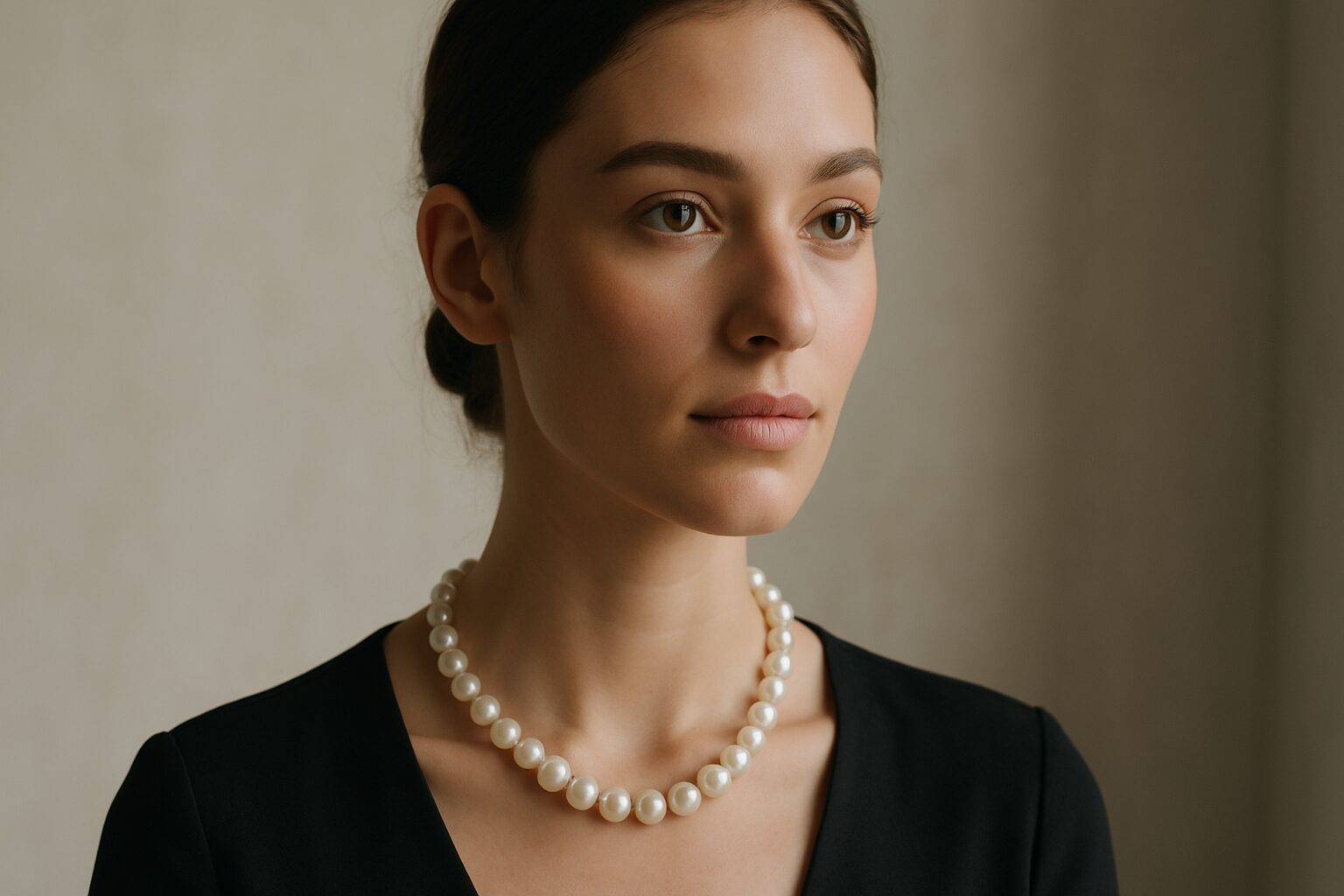
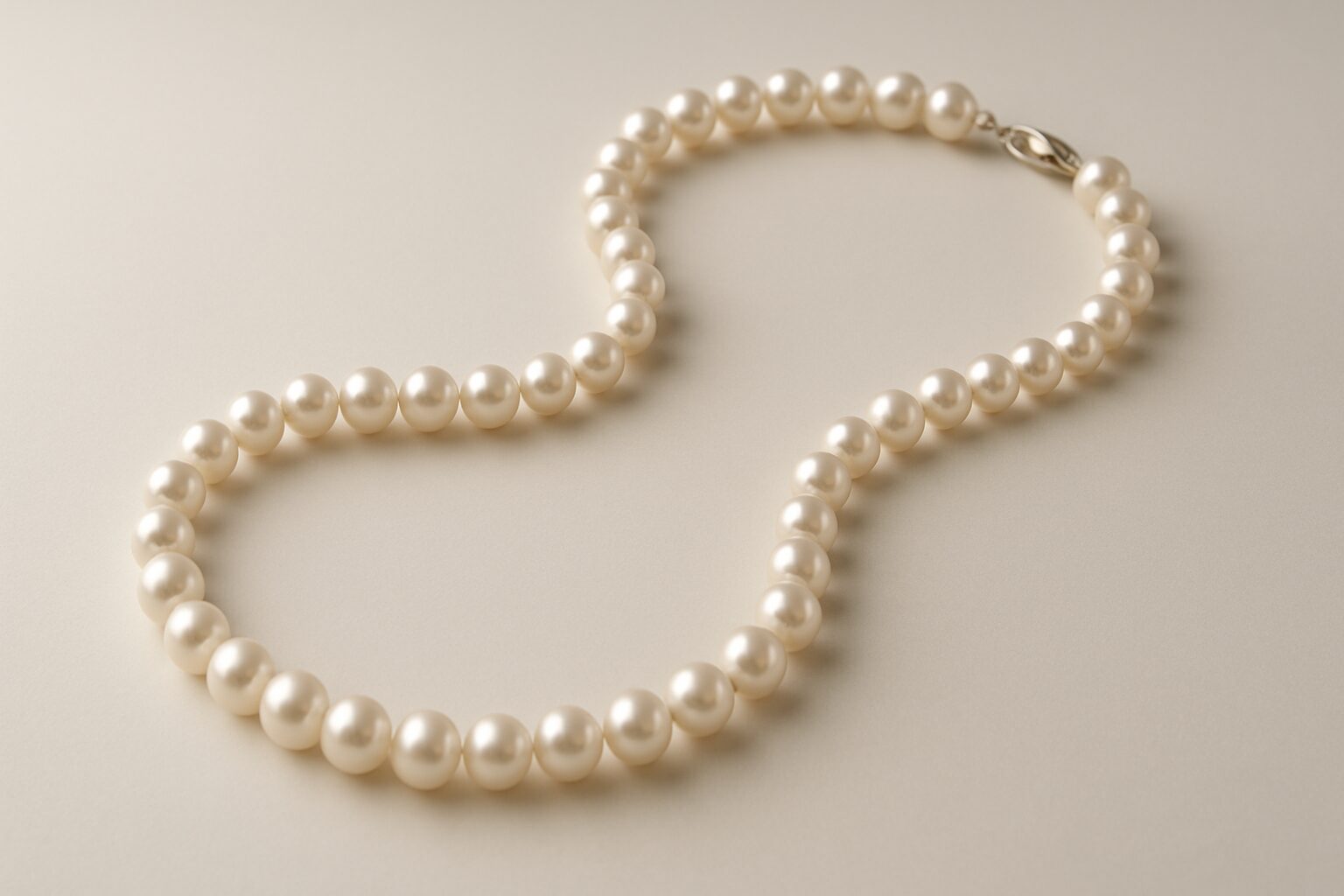
A genuine pearl strand is composed of pearls created by a living mollusk, not manufactured in a factory. Real pearls are either natural, formed without human intervention, or cultured, where a small bead or tissue is inserted to initiate nacre formation. Both types are authentic, valued for their luster, color, and satisfying weight.
Natural vs. Cultured Pearls
Natural pearls are extraordinarily rare. Only about one in 10,000 wild oysters yields a pearl of gem quality, which is why natural strands appear almost exclusively at Christie’s and Sotheby’s. Cultured pearls dominate today’s market, and they are no less genuine for it. In the early 1900s, Mikimoto pioneered the culturing process, making pearl strands accessible to far more women. According to GIA, the nacre layers in cultured and natural pearls are chemically identical.
The Anatomy of a Pearl
Every pearl consists of concentric layers of nacre, a combination of aragonite and conchiolin, deposited over a nucleus. This structure gives pearls their signature depth and iridescence. Under magnification, you can see subtle overlapping platelets that imitation beads simply cannot replicate.
Key Characteristics to Look For
Genuine pearls feel cool to the touch initially and gradually warm up against your skin. They carry a slight heft for their size, thanks to nacre density. Each pearl is unique, with minor variations in shape, size, and surface. Those natural “flaws” are proof of authenticity: perfectly identical, flawless rounds from bead to bead are almost always a sign of imitation.
Pros and Cons of Owning a Real Pearl Necklace
Pros
- Timeless elegance: Pearl strands have been worn by style icons from Audrey Hepburn to Zendaya and never read as dated.
- Accessible entry points: Quality freshwater strands start at around $160, making genuine pearls available at nearly every budget.
- Heirloom value: With proper care, a well-made strand lasts generations and often appreciates in sentimental and monetary value.
- Versatility: A single strand moves from a beach club in Tulum to a candlelit terrace in St. Barts without missing a beat.
- Skin-friendly: Natural oils from your skin actually enhance pearl luster over time.
Cons
- Delicate care requirements: Pearls are organic gems sensitive to perfume, hairspray, chlorine, and ultrasonic cleaners.
- Restringing costs: Silk-strung strands need professional restringing roughly every two years with regular wear.
- No universal grading standard: The A-to-AAA scale varies by retailer, making cross-shopping confusing without guidance.
- Investment pricing at the top end: Hanadama Akoya and South Sea strands can cost several thousand dollars, requiring careful authentication.
Types of Pearls Used in Necklaces
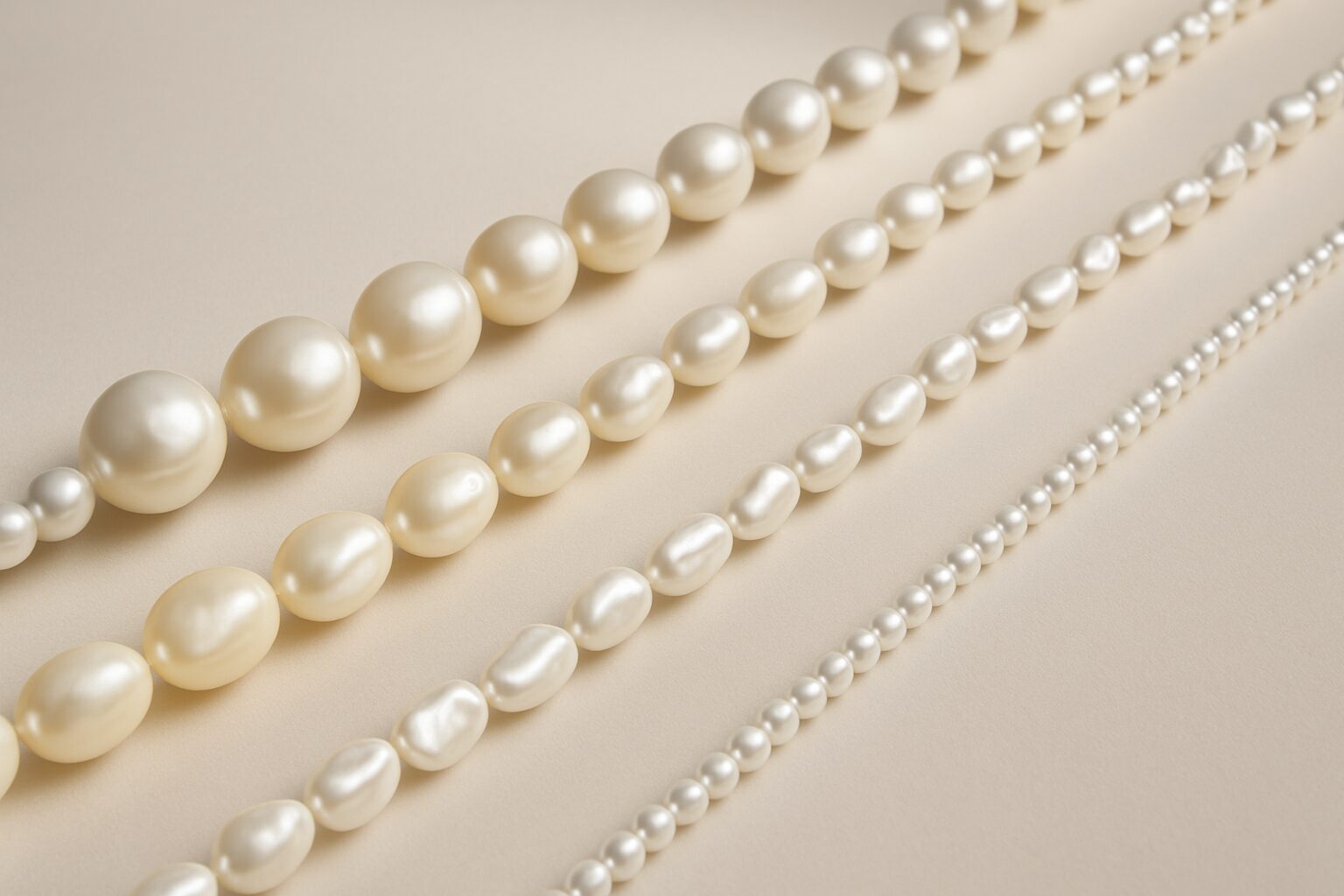
Not all genuine pearl strands are alike. The pearl type dictates the necklace’s look, durability, and price. The four main categories are freshwater, Akoya, Tahitian, and South Sea. The table below compares their key attributes.
| Pearl Type | Origin | Size Range (mm) | Typical Colors | Luster | Price Range (18-inch Strand) |
|---|---|---|---|---|---|
| Freshwater | China, USA | 2–15 | White, pink, lavender, peach | Soft to high | $160–$500 |
| Akoya | Japan, China | 2–10 | White, cream, rose | Sharp, mirror-like | $650–$2,900+ |
| Tahitian | French Polynesia | 8–16 | Black, peacock, green, aubergine | High, metallic | $740–$1,400+ |
| South Sea | Australia, Philippines, Indonesia | 8–20 | White, golden | Satiny, deep | Premium; inquire directly |
Freshwater Pearls: Affordable Versatility
Freshwater pearls are cultured in mussels in lakes and rivers, primarily in China, and they account for the majority of the pearl necklace market due to their wide range of colors and shapes. As of early 2026, a 6.5–7.0mm AAA-quality white freshwater strand retails for about $160 at The Pearl Source, making them an excellent entry point for first-time buyers. Step up to a 7.0–7.5mm AAAA grade and you’re looking at around $270, still firmly in accessible-luxury territory.
Akoya Pearls: Classic Elegance
Japanese Akoya pearls are the classic choice for a formal strand, renowned for their brilliant, mirror-like luster and near-perfect round shapes. They are smaller than South Sea pearls but offer unmatched sharpness. At PurePearls, a 7.0–7.5mm AAA-quality white freshwater strand is priced at $264 on sale (regular $330), while a 7.5–8.0mm Hanadama Akoya strand reaches $3,496 on sale, illustrating the steep climb for certified top-tier nacre. At The Pearl Source, a 7.5–8.0mm AAA Akoya strand starts at $1,620, and a Hanadama equivalent begins at $2,900.
Tahitian Pearls: Exotic Dark Beauty
Tahitian pearls come from the black-lipped oyster in French Polynesia and are the only naturally dark cultured pearl. Colors range from deep black and peacock green to aubergine and bronze. An 8–10mm baroque Tahitian strand starts at approximately $740, offering dramatic color sophistication that pairs beautifully with resort whites and sun-bleached linens.
South Sea Pearls: Luxurious Gold and White
South Sea pearls are the largest and rarest cultured pearls, produced in the waters of Australia, the Philippines, and Indonesia. Their thick nacre and satiny luster make any strand of this type a true heirloom. Pricing varies widely based on size and quality; premium golden South Sea strands can rival Hanadama Akoya in cost and require direct inquiry with the retailer.
Pearl Necklace Lengths: Choker to Opera
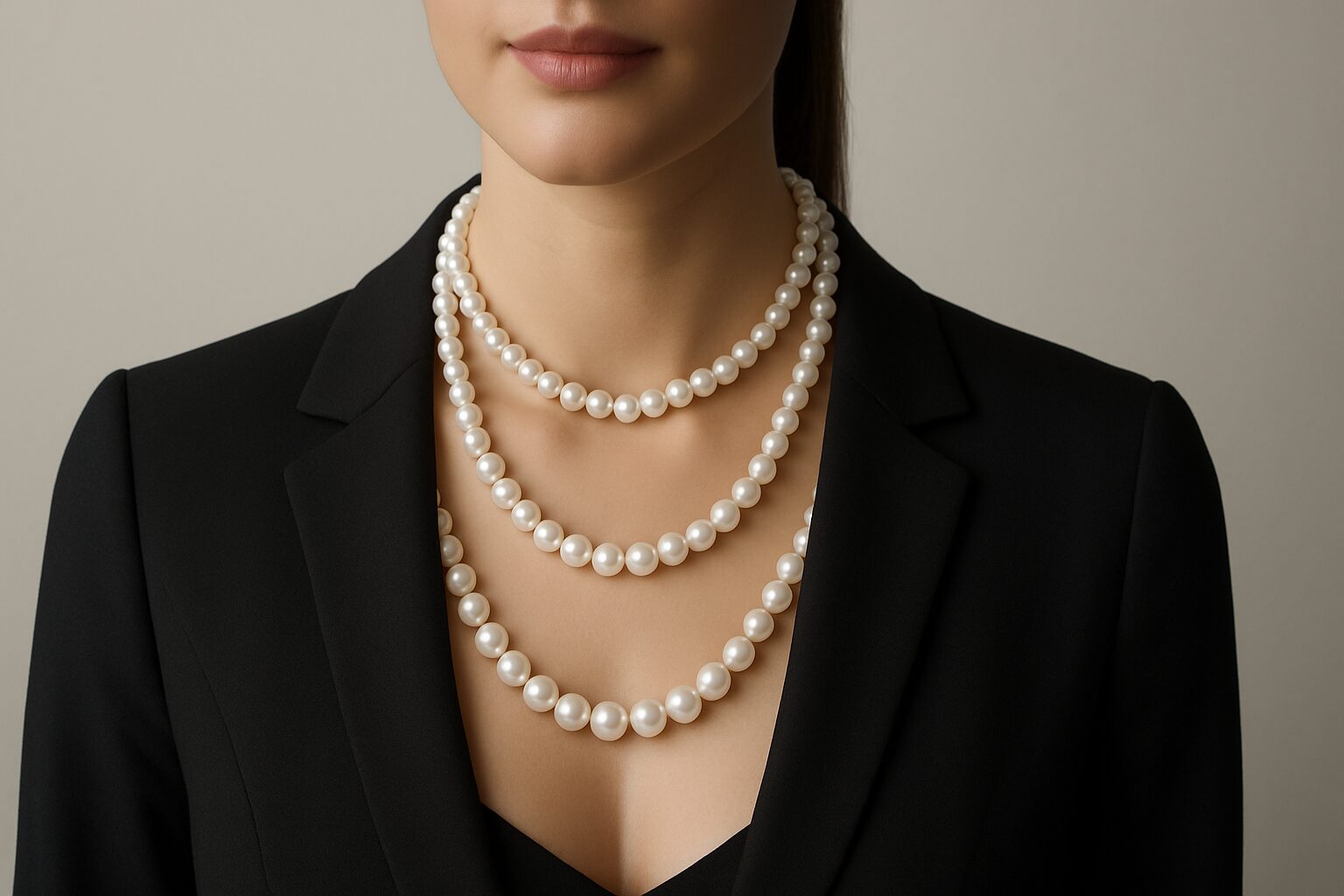
The length of your strand shapes the entire look of an outfit, and choosing the right one is as important as the pearl type itself. Here is a quick guide to the four most popular lengths.
| Length Name | Measurement | Best Worn With |
|---|---|---|
| Choker | 14–16 inches | Off-shoulder tops, scoop necks, resort dresses |
| Princess | 17–19 inches | Crew necks, button-downs, everyday wear |
| Matinee | 20–24 inches | Business attire, casual layering |
| Opera | 28–36 inches | Evening gowns, little black dress, layering |
The princess length at 17–19 inches is the most popular choice globally, according to jewelry industry reports, because it sits just below the collarbone and flatters nearly every neckline. A choker at 14–16 inches reads modern and bold, perfect for pairing with a linen sundress on a warm afternoon in Tulum. Opera length, at 28–36 inches, can be doubled for a layered look or left long to drape dramatically over a dark evening dress.
How to Spot a Fake Pearl Necklace
Knowing how to authenticate pearls before you buy protects your investment and your style credibility. Here are the most reliable methods.
The Tooth Test and Other At-Home Methods
The tooth test is a classic: gently rub a pearl against the edge of your front teeth. Genuine pearls feel gritty or sandy due to microscopic layers of nacre, while fakes glide smoothly. You can also check for subtle irregularities. True pearls in a quality strand won’t be perfectly identical. Real pearls also feel cool initially and warm up slowly on skin, whereas glass or plastic beads reach body temperature almost immediately.
Professional Appraisal and Certification
For high-value purchases, seek a certificate from a recognized gemological laboratory. The Gemological Institute of America (GIA) and the Gemmological Association of Great Britain (Gem-A) both offer pearl identification services. Some retailers, like House of Pearls, provide GUILD certification with their pieces, confirming pearl type, nacre thickness, and quality grade.
Common Imitation Materials
Fake pearls are typically made of glass, plastic, or shell beads coated with fish-scale essence or synthetic pearlized paint. Under magnification, imitation pearls show a grainy or perfectly smooth surface without the characteristic layered structure of nacre. A genuine strand will display minor blemishes and overlapping platelets unique to each bead.
Pearl Grading: AAA, AAAA, and Hanadama Explained
“Luster is the most critical factor in grading pearls. A high-quality strand will display sharp, bright reflections on its surface.” – Gemological Institute of America (GIA)
Pearl grading uses letter combinations, though no universal standard exists across the industry. Most reputable dealers follow a system from A to AAA, with some introducing AAAA or special designations like Hanadama for exceptional pieces.
The A-to-AAA Grading Scale
AAA denotes the highest commercial quality, with very high luster and at least 95% clean surface. AAAA, used by some sellers, represents even fewer blemishes and exceptional luster, often applied to the top 5% of a harvest. For example, a 7.0–7.5mm AAAA freshwater strand from The Pearl Source retails for $270, compared to its AAA counterpart at around $190, reflecting the premium for near-flawless nacre.
Hanadama Certification
Hanadama is a recognized grade for Japanese Akoya pearls, certified by the Pearl Science Laboratory of Japan. A strand labeled Hanadama must pass stringent tests for luster, nacre thickness, and surface perfection. PurePearls offers a 7.5–8.0mm Hanadama strand for $3,496 on sale, illustrating the steep price jump for certified top-tier Akoya.
How Grading Affects Price
The difference between AA+ and AAA can mean a price gap of roughly 30–40%, while Hanadama can be double or triple the cost of a standard AAA Akoya strand. When shopping, prioritize luster above size. A smaller strand with exceptional luster will outshine a larger, dull one every single time.
“Pearls are the only gems worn directly against the skin, which is why nacre quality and surface integrity matter more than size alone.” – Elle, on the resurgence of pearl jewelry in resort fashion
Real Pearl Necklace Price Guide (2026)
Prices for a real pearl necklace vary widely based on type, size, and quality. Below are current market ranges sourced from leading online retailers as of early 2026.
Freshwater Strand Prices
6.5–7.0mm AAA: $160–$330
Akoya Strand Prices
6.5–7.0mm AAA: from $1,090 (The Pearl Source) to $1,528 (PurePearls)
Investment Pieces: Tahitian and South Sea
Tahitian baroque strands in 8–10mm start at $740, while higher-grade rounds can reach $1,400 or more. South Sea pearls command the highest prices; a premium golden South Sea strand can cost several thousand dollars. Specific pricing often requires direct inquiry due to size and quality variability. Rogers & Hollands lists freshwater strands with a 14k gold clasp starting at $519.99, a solid mid-range option for those who want the in-store experience.
Where to Buy a Real Pearl Necklace
Securing a genuine strand depends entirely on reputable sources. Here are the most reliable channels in 2026.
Trusted Online Retailers
The Pearl Source holds a 4.8/5 Trustpilot rating from over 17,000 reviews, with free shipping and returns. PurePearls specializes in Akoya and Hanadama, offering frequent sale pricing. House of Pearls advertises up to 80% off traditional retail prices, with GUILD certification on many pieces. All three provide detailed grading information and generous return policies.
Brick-and-Mortar Jewelry Stores
National chains like Rogers & Hollands carry a variety of freshwater and Akoya strands. Department stores such as Macy’s and Nordstrom also stock pearl designs, often featuring fashion-forward styles that let you inspect the luster in person before committing.
Auction Houses and Estate Sales
For vintage or high-value pieces, auction houses like Christie’s and Sotheby’s occasionally list pearl lots, particularly natural pearl strands. Estate sales can unearth hidden treasures, but always verify authenticity with a GIA-certified gemologist before bidding. Vintage pearl necklaces from the mid-20th century often feature exceptional craftsmanship and natural pearls that are nearly impossible to source new today.
Iconic Women and Pearl Necklaces Through History
Pearl strands have been a symbol of elegance for centuries, worn by style icons who defined entire eras.
Audrey Hepburn and the Classic Single Strand
Audrey Hepburn’s little black dress and classic Akoya strand in Breakfast at Tiffany’s cemented pearls as the ultimate sophisticated accessory. The single strand at approximately 16–18 inches remains the most iconic design, and it still reads as effortlessly chic today as it did in 1961.
Jackie Kennedy’s Signature Style
Jacqueline Kennedy Onassis frequently wore three-strand pearl necklaces, mixing freshwater and Akoya pearls. Her polished look inspired generations of women to layer strands for a refined, powerful aesthetic that fashion editors at Vogue and Harper’s Bazaar still reference as a benchmark for understated power dressing.
Modern Celebrities Embracing Pearls
Today, stars like Rihanna and Zendaya sport pearl necklaces in unconventional ways, layering Tahitian baroques over streetwear or stacking multiple lengths. This renewed interest, noted by WWD as one of the defining jewelry trends of the mid-2020s, has driven demand for versatile styles well beyond traditional white rounds.
How to Style Your Pearl Necklace
A genuine pearl strand transcends trends. It can be dressed up or down with a few smart styling choices, and it travels beautifully from a beach club in St. Barts to a rooftop dinner in Positano.
Day-to-Night Looks
For a casual daytime outfit, pair a 16-inch freshwater strand with a silk blouse and linen blazer. Transition to evening by choosing an opera-length strand at 28–36 inches and letting it drape over a little black dress. The contrast of pearls against dark fabric maximizes luster and creates an instant focal point.
Layering with Other Necklaces
Mix a delicate pearl choker with a fine gold chain for a modern, editorial look. Layering multiple strands of different lengths, such as a 16-inch Akoya and a 24-inch matinee freshwater, creates depth without looking overdone. Keep the largest pearls at the longest length to maintain proportion.
Matching with Earrings and Bracelets
A coordinating set amplifies elegance. For a white pearl strand, choose stud earrings of the same pearl type and a simple bracelet. Avoid exact matching; slight variations in pearl size or metal color add a contemporary touch. Pearl and diamond combinations remain eternally chic for formal occasions, as stylists recommend for red-carpet and black-tie events.
Caring for Your Real Pearl Necklace
Proper care preserves a real pearl necklace for decades. Pearls are organic gems and require gentle, consistent treatment.
Cleaning and Maintenance
Wipe your pearls with a soft, lint-free cloth after each wear to remove perspiration and cosmetics. Every few months, clean with a damp cloth and mild soap, but never soak them, as water can weaken the silk thread. Avoid ultrasonic cleaners and chemical jewelry dips entirely. These can damage nacre in ways that are impossible to reverse.
Storage Solutions
Store your strand flat in a lined jewelry box, away from other hard gems that may scratch the nacre. Never hang pearls for long periods, as the weight can stretch the silk cord. Keep them away from direct sunlight and extreme humidity to prevent cracking and discoloration.
Restringing Your Necklace
With regular wear, a pearl strand should be restrung every two years on average. A professional jeweler will knot between each pearl, preventing loss if the strand breaks and protecting pearls from rubbing together. Many retailers, including The Pearl Source, offer restringing services at reasonable rates.
Why Invest in a Real Pearl Necklace
A real pearl necklace is more than jewelry. It’s an heirloom that connects you to history, nature, and a standard of dressing that never goes out of style. From the affordable shine of freshwater strands starting at $160 to the awe-inspiring luster of Hanadama Akoya at $3,496 and beyond, there is a genuine option for every budget and every occasion. By learning to identify authenticity, understanding grading, and caring for your pearls properly, you ensure that your investment rewards you with elegance that only deepens with time.
Explore the full jewelry collection at lexazi.com and find the pearl strand that feels like it was made for you. Free shipping on orders over $75.
Frequently Asked Questions
What is the actual cost of a real pearl necklace?
The cost of a genuine pearl strand starts at around $160 for a AAA-quality freshwater option and can exceed $5,000 for top-grade Akoya or South Sea pearls. Price depends on pearl type, size, luster, and surface quality, with Hanadama-certified Akoya strands typically ranging from $2,900 to over $3,700.
Are freshwater pearls considered real pearls?
Yes, freshwater pearls are 100% genuine cultured pearls formed by mussels in lakes and rivers. They are real pearls, just cultivated in freshwater environments rather than saltwater, and they offer excellent value for anyone building a pearl jewelry wardrobe.
How can I tell if my pearl necklace is real?
Perform the tooth test: rub a pearl gently against your teeth. Real pearls feel gritty, while fakes are smooth. Also look for natural irregularities. A genuine strand will have slight variations between each pearl in shape, surface, and overtone.
What does AAA mean in pearl grading?
AAA is a commercial top grade indicating very high luster and at least 95% clean surface area. When buying a pearl necklace, AAA quality ensures a bright, near-flawless look suitable for fine jewelry and formal occasions.
How often should a pearl necklace be restrung?
On average, a strand worn once a week should be restrung every two years. Frequent daily wear may require annual restringing to prevent strand breakage and maintain the security of the knots between each pearl.
Can I wear a real pearl necklace every day?
Absolutely. Pearls actually benefit from the natural oils in your skin, which enhance their luster over time. Just avoid contact with perfumes, hairspray, and chlorinated water, and wipe them down with a soft cloth after each wear.