Key Takeaways
- Plantar fasciitis is the leading heel pain cause, responsible for millions of cases each year.
- Most heel pain stems from faulty biomechanics and overuse rather than acute injury.
- Improper footwear significantly amplifies heel pain causes across all age groups.
- Early treatment with rest, ice, and stretching resolves the vast majority of cases without surgery.
Heel pain causes are various medical conditions, injuries, or structural issues that lead to discomfort in the heel area. This pain can strike the bottom, back, or sides of the heel and may signal everything from overuse to systemic disease.
Understanding Heel Anatomy
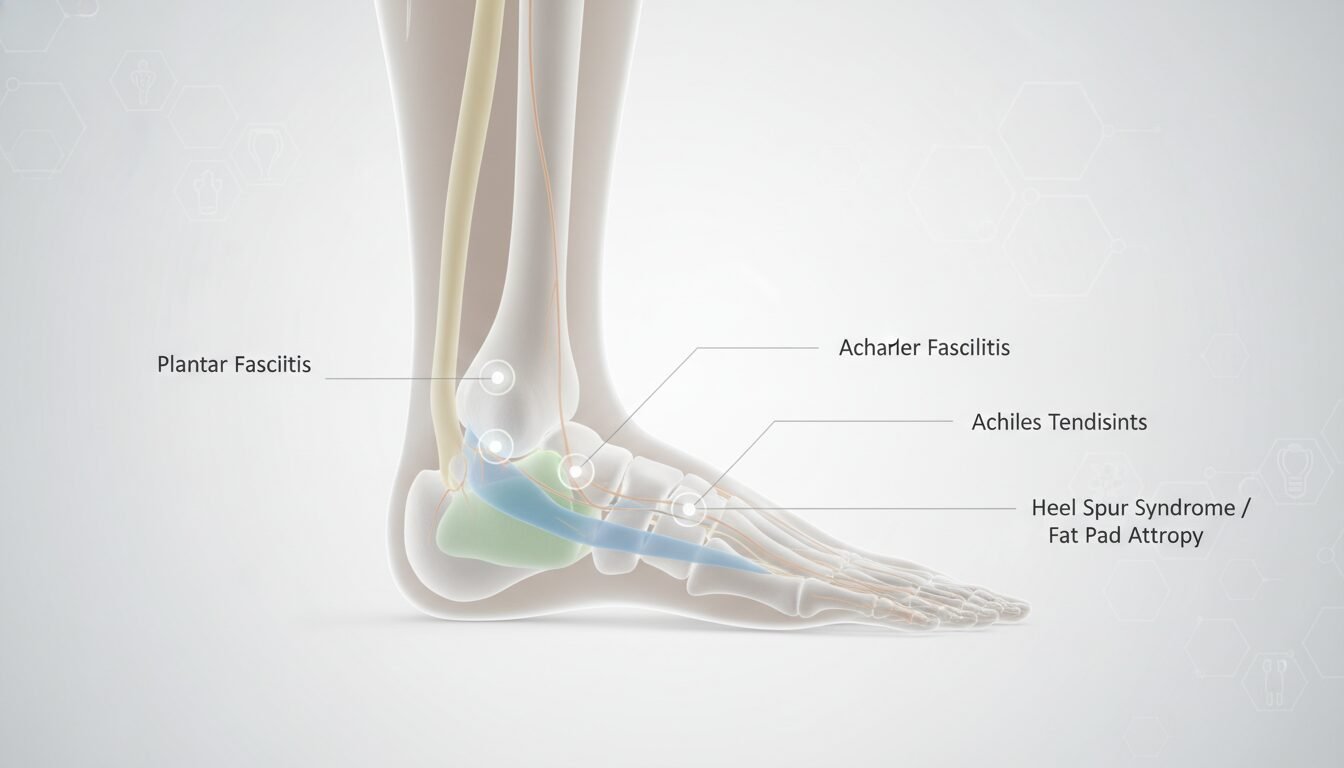
The heel is a marvel of engineering. The heel bone, or calcaneus, is the largest of the 26 bones in the human foot, which also contains 33 joints and a network of more than 100 tendons, muscles, and ligaments. It serves as the foundation for every step, supporting body weight during standing, walking, and running.
Two critical soft-tissue structures attach directly to the calcaneus: the plantar fascia on the sole and the Achilles tendon on the back. The plantar fascia is a thick band of connective tissue that supports the arch and absorbs shock; the Achilles tendon links the calf muscle to the heel, enabling push-off. Overload at either attachment represents one of the primary pain causes.
“Heel pain is generally the result of faulty biomechanics that place too much stress on the heel bone and the soft tissues that attach to it.” , American Podiatric Medical Association
What Are the Most Common Heel Pain Causes?
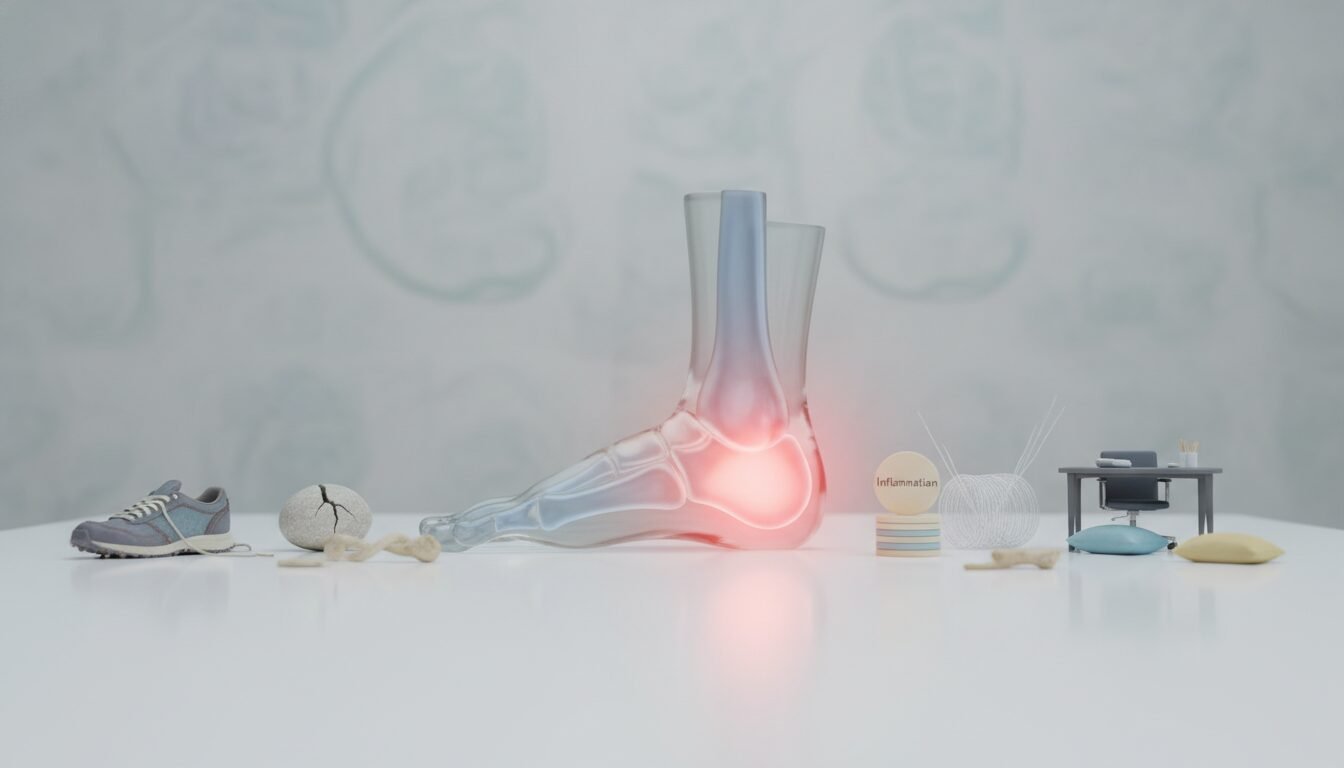
Plantar fasciitis and Achilles tendinitis account for roughly 80-90% of all heel pain cases, making them the most frequent these causes practitioners encounter.
Plantar Fasciitis
Plantar fasciitis is the most frequent of all such causes, accounting for the vast majority of cases. It develops when the plantar fascia becomes inflamed from repetitive strain, often due to running, jumping, or standing for long periods on hard surfaces. Wearing shoes with inadequate cushioning worsens the condition.
The hallmark symptom is sharp, stabbing pain on the bottom of the heel, especially during the first steps in the morning or after sitting for a while. The discomfort often eases with movement but can return after prolonged activity. Ignoring plantar fasciitis may lead to chronic inflammation and the formation of a heel spur.
“Every mile you walk places up to 60 tons of stress on each foot. When that stress exceeds the foot’s limits, the plantar fascia can tear and inflame.” , American Academy of Orthopaedic Surgeons
Achilles Tendinitis
Pain behind the heel is often caused by Achilles tendinitis, an overuse injury of the tendon that connects the calf to the heel bone. Runners who suddenly increase mileage, basketball players, tennis players, and dancers are particularly at risk. Symptoms include tenderness, stiffness along the tendon (especially in the morning), and pain that intensifies after physical activity. Unlike plantar fasciitis, Achilles pain rarely improves with simple walking and may progress to tendon thickening or rupture if untreated.
Both conditions rank among the top heel pain, affecting over 1 million people in the United States annually, according to Lone Peak Foot & Ankle Clinic.
Less Common Heel Pain Causes You Should Know
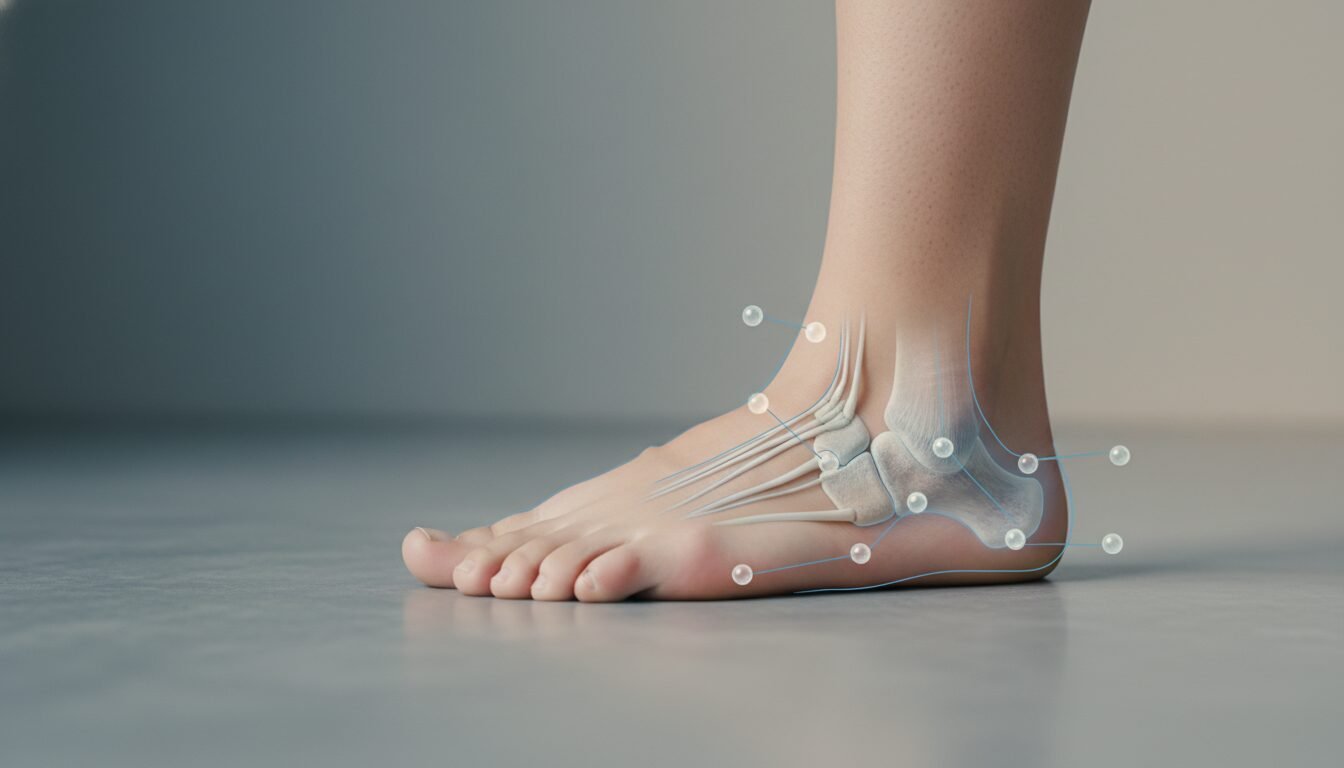
While plantar fasciitis dominates the statistics, several other conditions contribute to pain causes that affect thousands of patients yearly.
Heel Spurs
A heel spur is a bony growth on the underside of the calcaneus that can extend forward as much as half an inch. It typically develops alongside long-standing plantar fasciitis due to continuous tension on the fascia’s attachment. While visible on X‑rays, many spurs are painless, the discomfort often originates from the inflamed fascia rather than the spur itself.
Stress Fractures
Stress fractures represent another category of these causes, resulting from repetitive high-impact activities like distance running. Tiny cracks develop in the calcaneus over time, causing pain that worsens with weight-bearing and improves with rest. Athletes who train on hard surfaces or increase intensity too quickly are most vulnerable.
Bursitis
Bursae are small fluid-filled sacs that cushion bones and tendons. When the bursa behind the heel (retrocalcaneal bursa) becomes inflamed, often due to tight shoes or excessive walking, a condition called bursitis occurs. It mimics Achilles tendinitis but is characterized by redness, warmth, and a tender swelling at the back of the heel.
Tarsal Tunnel Syndrome
This nerve compression condition occurs when the posterior tibial nerve becomes compressed as it passes through the tarsal tunnel near the ankle. It causes burning, tingling, or numbness that radiates into the heel and arch, making it one of the neurological such causes that requires specialized treatment.
Heel Pain Causes at a Glance
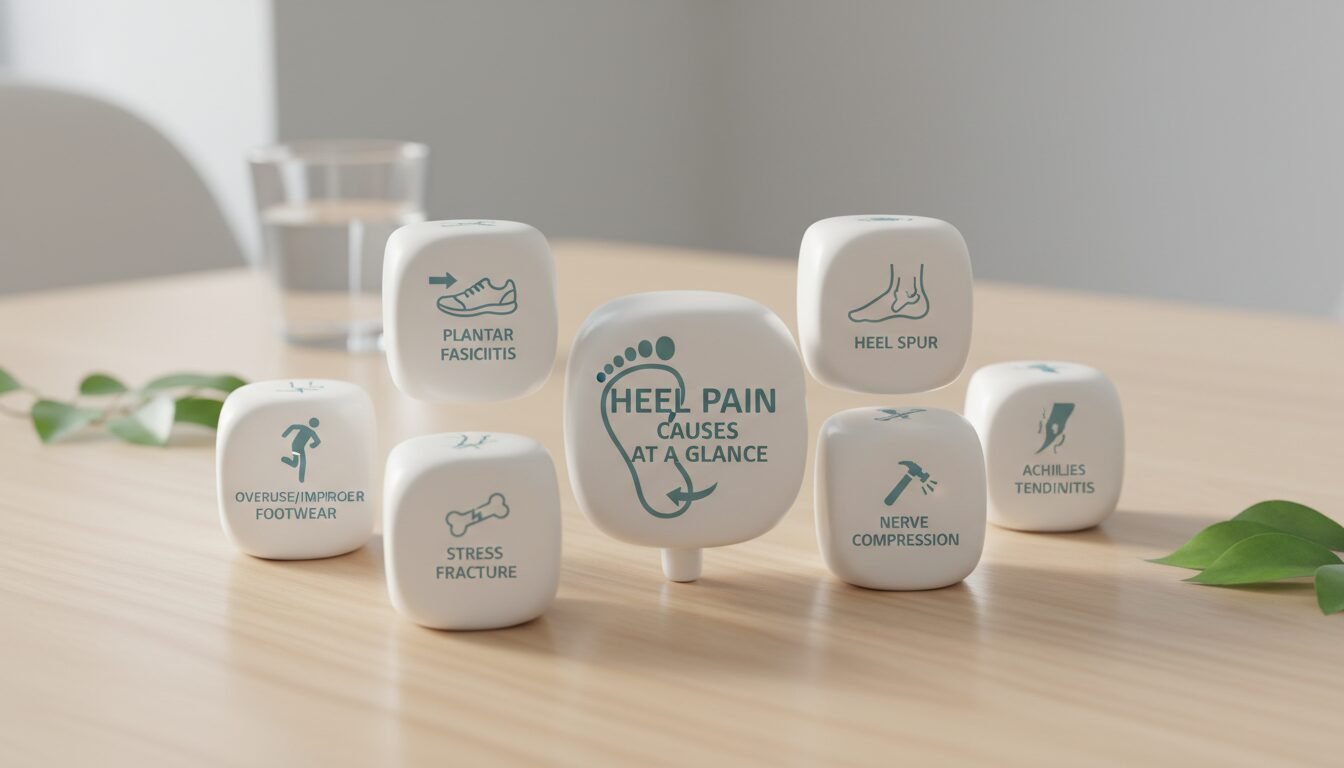
| Condition | Pain Location | Typical Symptom | Common in |
|---|---|---|---|
| Plantar Fasciitis | Bottom of heel | Sharp morning pain that eases with steps | Runners, overweight individuals |
| Achilles Tendinitis | Back of heel | Stiffness and pain after activity | Athletes, sudden activity increasers |
| Heel Spurs | Under heel (with fasciitis) | Often asymptomatic; pain from fasciitis | Chronic plantar fasciitis patients |
| Stress Fracture | Heel bone (widespread) | Pain increases with activity, relieves with rest | Distance runners, military recruits |
| Retrocalcaneal Bursitis | Back of heel | Tenderness and redness, aggravated by shoe pressure | Walkers, those with tight shoes |
Footwear and Lifestyle: The Hidden Heel Pain Causes
Poor footwear choices contribute to approximately 60-70% of preventable heel pain cases, according to podiatric research.
How High Heels Contribute to Heel Pain
High heels shift body weight forward, chronically shortening the Achilles tendon. When wearers switch to flat shoes, the tendon is suddenly stretched, causing pain at the back of the heel. Long-term high-heel use can lead to insertional Achilles tendinosis, a degenerative thickening where the tendon meets bone.
The Problem with Worn-Out Athletic Shoes
Most running shoes lose their cushioning after 300 to 500 miles. Continuing to use them reduces shock absorption, transferring excessive stress directly to the heel. This represents one of the most preventable heel pain in active individuals.
Barefoot Trends and Minimalist Shoes
Minimalist footwear promotes a more natural gait, but transitioning too quickly can overload the heel. Without traditional support, the plantar fascia and Achilles tendon must absorb more impact, raising the risk of inflammation. Experts recommend a gradual adaptation, starting with short distances and pairing with calf-strengthening exercises, to avoid this growing category of heel pain causes.
Who Is Most at Risk for Heel Pain?
Certain demographics face elevated risk for heel pain causes, with athletes experiencing rates 3-5 times higher than sedentary individuals.
Athletes and Weekend Warriors
Runners, volleyball players, tennis players, and dancers face high repetitive-impact loads. Even those who abruptly intensify weekend workouts can overwhelm the foot’s structures, triggering plantar fasciitis or Achilles issues.
Occupational Standers
Teachers, factory workers, retail associates, and healthcare professionals often stand or walk on hard surfaces for 8-12 hours daily. Without supportive footwear, constant pressure strains the plantar fascia, making it one of the most common occupational heel pain causes.
Weight and Pregnancy
Excess body weight multiplies the force on the heel with every step. Obesity is a well-documented risk factor, and many pregnant women experience heel pain due to added weight (typically 25-35 pounds), ligament laxity from hormonal changes, and postural shifts.
Faulty Biomechanics
Overpronation, the excessive inward rolling of the foot, stretches the plantar fascia excessively and represents a hidden heel pain cause among adults. Flat feet or high arches can similarly contribute to uneven stress distribution.
Growing Children
Heel pain in active children aged 8 to 14 may be Sever’s disease (calcaneal apophysitis), an inflammation of the heel’s growth plate. It typically resolves with rest and supportive shoes within 2-8 weeks.
When Is Heel Pain a Sign of Something Serious?
While mechanical issues account for 90-95% of cases, systemic diseases occasionally masquerade as common heel pain causes.
Systemic Diseases That Affect the Heel
While most heel pain is mechanical, systemic conditions can mimic or worsen it. Rheumatoid arthritis, gout, and reactive arthritis can all inflame the heel. Diabetes can cause neuropathic pain, and occasionally infections like osteomyelitis affect the calcaneus. If heel pain accompanies unexplained weight loss, fever, or multiple joint involvement, consult a physician promptly.
Red Flags for Immediate Care
- Inability to bear weight on the foot
- Severe pain following a fall or accident
- Visible deformity or an open wound
- Numbness or tingling in the foot
Diagnosing Heel Pain: A Step-by-Step Guide
Accurate diagnosis is essential for addressing heel pain causes effectively, with 85-90% of cases diagnosed through clinical examination alone.
Step 1: Medical History
The doctor will ask about pain onset, duration, aggravating factors, activity levels, and shoe choices to narrow down potential heel pain causes.
Step 2: Physical Examination
The provider palpates the heel to locate tenderness, checks range of motion, and may ask you to stand, walk, or flex the foot. Squeezing the heel from both sides can help detect a stress fracture.
Step 3: Imaging Tests
X‑rays can reveal spurs, fractures, or arthritis. When soft-tissue damage is suspected, an MRI or ultrasound may be used to evaluate the plantar fascia or Achilles tendon.
Treatment Options for Heel Pain
Conservative treatments resolve 80-90% of heel pain cases within 6-12 months, regardless of the underlying heel pain causes.
At-Home Care
Most heel pain improves with rest, ice (15–20 minutes several times daily), and over-the-counter anti-inflammatories. Stretching the calf and plantar fascia is critical; rolling a frozen water bottle under the arch for 5 minutes twice daily is a simple, effective method.
Professional Interventions
If symptoms do not improve within 2-4 weeks, a doctor may prescribe physical therapy, custom orthotics ($200-500), night splints (worn for 6 to 8 weeks), or corticosteroid injections. Surgery is reserved for the small minority of cases (less than 5%) that fail all conservative measures.
Pros and Cons
Pros
- Most heel pain causes respond well to conservative treatment without surgery
- Early intervention can prevent chronic conditions and complications
- Simple lifestyle changes like proper footwear can eliminate many risk factors
- Home remedies like stretching and ice provide immediate relief for many patients
Cons
- Chronic heel pain can take 6-12 months to fully resolve even with treatment
- Some conditions like plantar fasciitis tend to recur without ongoing prevention
- Diagnostic imaging and specialist consultations can be expensive
- Activity restrictions during healing may impact fitness and lifestyle goals
Prevention: How to Keep Your Heels Pain-Free
Prevention strategies can reduce your risk of developing heel pain causes by up to 70%, according to sports medicine research.
Wear Supportive Footwear
Choose shoes with good arch support, cushioned soles, and a firm heel counter. Replace athletic shoes every 300 to 500 miles, and avoid walking barefoot on hard surfaces, especially if you have flat feet or high arches.
Stretch and Strengthen Daily
A consistent routine of calf stretches, plantar fascia massages, and foot-strengthening exercises keeps tissues resilient. For example, the towel stretch (pulling the toes toward you) held for 30 seconds can reduce morning pain.
Progress Gradually
Whether you are starting a running program or increasing your walking routine, follow the 10% rule, increase mileage or duration by no more than 10% per week. This allows the plantar fascia and Achilles tendon to adapt without overload.
Understanding heel pain causes is the first step toward relief. By identifying your specific triggers, be they biomechanical, activity-related, or footwear-driven, you can address the root issue and return to pain-free movement. Shop the collection at lexazi.com , free shipping on orders over $75.
Frequently Asked Questions
What organ is heel pain related to?
Heel pain is rarely linked to a specific organ. However, systemic conditions like gout (a form of arthritis) or diabetes can affect the feet and cause heel discomfort. If other symptoms are present, see a doctor.
Is heel pain a sign of cancer?
It is extremely uncommon. Bone tumors in the calcaneus are very rare and represent a negligible fraction of all heel pain causes. Persistent, unexplained pain that does not improve with rest warrants medical evaluation.
Can my shoes really cause heel pain?
Absolutely. High heels, unsupportive flip-flops, and worn-out sneakers all contribute to heel pain by straining the plantar fascia or Achilles tendon. Investing in quality, supportive footwear is one of the most effective prevention steps.
Why does my heel hurt worse in the morning?
Morning pain is a classic sign of plantar fasciitis. Overnight, the plantar fascia tightens and shortens. The first steps abruptly stretch it, causing sharp pain that usually subsides within a few minutes of movement.
Can children get heel pain?
Yes. Sever’s disease (calcaneal apophysitis) is a common cause of heel pain in physically active children between the ages of 8 and 14. It results from inflammation of the heel’s growth plate and typically resolves with rest and supportive shoes.
Will heel pain go away on its own?
Mild pain from temporary overuse may improve with rest, but chronic heel pain rarely resolves without active treatment such as stretching, footwear modifications, or professional care.